
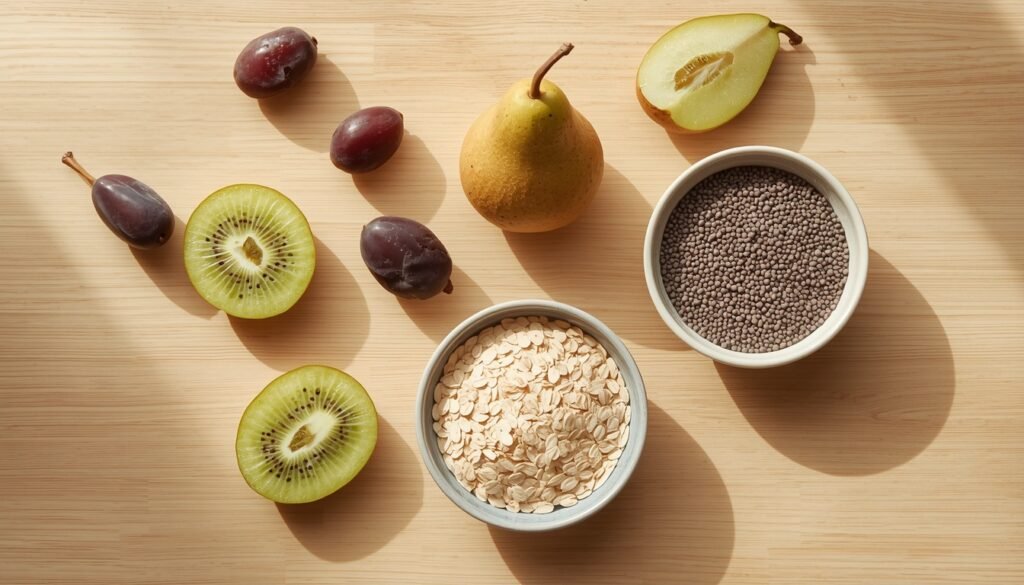
If you’re bloated, uncomfortable, and spending more time in the bathroom than you’d like, you’ve probably already searched for the best foods for constipation. It’s one of the most common digestive complaints there is, and it rarely feels like a small problem when you’re the one dealing with it.
The frustrating part is that most advice stops at “eat more fiber.” That’s true, but incomplete. The type of fiber matters, how fast you increase it matters, and so does what you drink alongside it. Jump from 10 grams a day to 40 overnight and you can end up more backed up than before.
This guide covers 15 foods with real evidence behind them, how to eat each one, and a step-by-step way to add fiber without gas and cramping. If your gut needs a longer-term plan, our 30-Day Gut Health Reset Plan and Anti-Inflammatory Meal Plan for Beginners pair well with everything below.
Quick Answer
The best foods for constipation depend on what’s causing it. Prunes, kiwi, and pears help because of natural sorbitol and plant compounds that draw water into the bowel. Chia seeds, flaxseed, oats, and beans add bulk and soften stool through soluble fiber. Leafy greens and nuts supply magnesium, while yogurt and kefir support gut bacteria. Start with two or three foods, increase fiber gradually, and drink plenty of water. Fiber without fluid can make constipation worse.
Table of Contents
- What Is Constipation and How Food Helps
- How to Choose the Right Foods for You
- The 15 Best Foods for Constipation
- Comparison Table
- Best Foods for Different Situations
- How to Add Fiber Correctly (Step by Step)
- Common Mistakes
- Expert Tips
- Final Thoughts
- Frequently Asked Questions
What Is Constipation and How Food Helps
Constipation is generally defined as having fewer than three bowel movements a week, or stools that are hard, dry, and difficult to pass. According to the National Institute of Diabetes and Digestive and Kidney Diseases, eating more fiber and drinking enough fluids are among the first steps to try before anything else.
Food helps in three main ways. Insoluble fiber (wheat bran, vegetable skins, whole grains) adds bulk and speeds transit. Soluble fiber (oats, chia, beans, citrus) forms a gel that keeps stool soft. Certain foods also add water, natural sugar alcohols like sorbitol, or magnesium, all of which pull moisture into the colon.
The Dietary Guidelines for Americans set daily fiber targets of roughly 25 to 34 grams depending on age and sex, and most adults fall well short. Gut bacteria matter too: a healthy microbiome ferments fiber into compounds that support regular movement, which is why our guide to the best probiotic supplements for gut health is worth a read if you’ve had antibiotics recently.
Constipation can also be a symptom of something else, such as an underactive thyroid. If that sounds familiar, see our thyroid health diet guide.
How to Choose the Right Foods for You
Ask yourself three questions before building your grocery list:
- How long has this been going on? A few days of sluggishness usually responds to prunes, kiwi, and water. Weeks or months call for a steadier fiber routine and a conversation with your doctor.
- What’s your current fiber intake? If you eat very little fiber now, begin with gentle options like pears, oats, and kiwi rather than a big bowl of beans.
- Do you have other conditions? IBS, kidney disease, and diabetes can change which foods suit you. If you have any of these, check with your clinician first.
A Mediterranean-style pattern is a natural fit for most people, since it’s built around vegetables, legumes, fruit, and whole grains. Our 7-day Mediterranean diet meal plan shows how to put it together.
The 15 Best Foods for Constipation
1. Prunes (Dried Plums)
Prunes are the classic remedy for good reason. They combine fiber with sorbitol, a natural sugar alcohol that draws water into the intestine. Some clinical trials have used about 50 grams (roughly five or six prunes) twice a day, though starting with two or three is gentler.
Best for: Occasional, short-term constipation. Watch out for: Gas and loose stools if you eat too many too quickly.
2. Kiwifruit
Two green kiwis a day have been linked in clinical studies to more frequent, easier bowel movements. They contain fiber plus an enzyme called actinidin that may support digestion. They’re also rich in vitamin C, which ties into our guide on boosting immunity naturally.
Best for: Daily maintenance. Eat them with the skin if you like, after washing well.
3. Chia Seeds
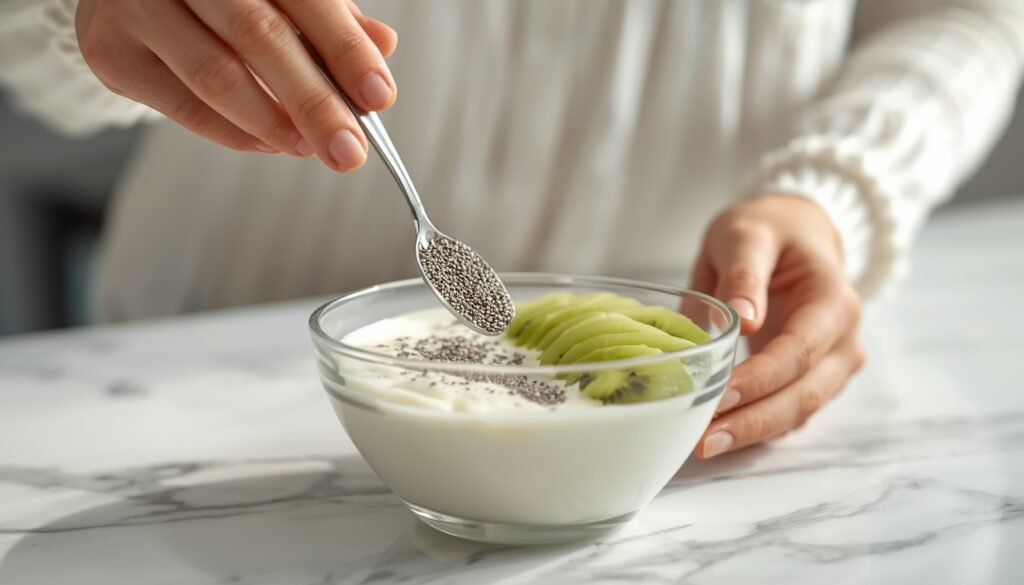
An ounce of chia seeds provides around 10 grams of fiber, and they absorb many times their weight in water, forming a gel that softens stool. Stir a tablespoon into oatmeal or yogurt, or soak in milk overnight. They also support heart health, as covered in our post on foods that lower cholesterol naturally.
Watch out for: Always soak or mix chia into liquid. Eating dry seeds with too little fluid can backfire.
4. Ground Flaxseed
Two tablespoons of ground flaxseed offer about 4 grams of fiber, both soluble and insoluble, along with plant omega-3s. Grind them first, because whole flaxseeds often pass through undigested. For omega-3 beyond food, see our omega-3 supplements guide.
Best for: Mild, ongoing constipation. Add to smoothies or cereal.
5. Pears
Pears are higher in sorbitol and fructose than most fruits, which helps pull water into the bowel. A medium pear with the skin on gives roughly 5 to 6 grams of fiber. They’re also filling and low in calories, which suits anyone following our plan for losing belly fat naturally.
Best for: A gentle daily snack.
6. Apples (With the Skin)
Apples contain pectin, a soluble fiber that can soften stool, and the skin provides insoluble fiber for bulk. A medium apple has about 4 grams of fiber. Apples also fit nicely into a metabolism-friendly eating pattern.
Best for: Everyday maintenance, especially for mild constipation.
7. Lentils and Beans
Lentils offer about 15 grams of fiber per cooked cup, and beans are similar. They also feed beneficial gut bacteria. They’re excellent for blood sugar too, as explained in our insulin resistance food guide.
Watch out for: Gas. Start with a quarter cup and rinse canned beans well.
8. Raspberries and Other Berries
Raspberries are among the highest-fiber fruits, with around 8 grams per cup. Blackberries and blueberries also contribute fiber and water. Toss them into yogurt or oats for an easy double hit.
Best for: People who want fiber that tastes like dessert.
9. Oats
Oats contain beta-glucan, a soluble fiber that forms a soft gel in the gut. A cup of cooked oatmeal provides about 4 grams of fiber. Choose steel-cut or rolled oats over instant flavored packets, which are often loaded with sugar.
Best for: A reliable, low-effort breakfast.
10. Spinach and Leafy Greens
Spinach, kale, and Swiss chard supply fiber, water, and magnesium. Cooked spinach delivers roughly 150 mg of magnesium per cup, a mineral that helps relax intestinal muscles and draw water into the colon. If food alone isn’t enough, our magnesium supplements guide covers forms like glycinate and citrate.
Best for: Anyone who also has trouble sleeping or feels tense.
11. Avocado
Half an avocado provides around 5 grams of fiber plus healthy fats that help lubricate the digestive tract. It’s also rich in potassium, which pairs well with our advice on foods to lower blood pressure naturally.
Best for: Adding fiber to savory meals.
12. Sweet Potatoes
A medium baked sweet potato with the skin has around 4 grams of fiber, plus beta-carotene that supports vision, as discussed in our eye health foods guide. Keep the skin on for the full fiber benefit.
Best for: A filling dinner side that’s gentle on the stomach.
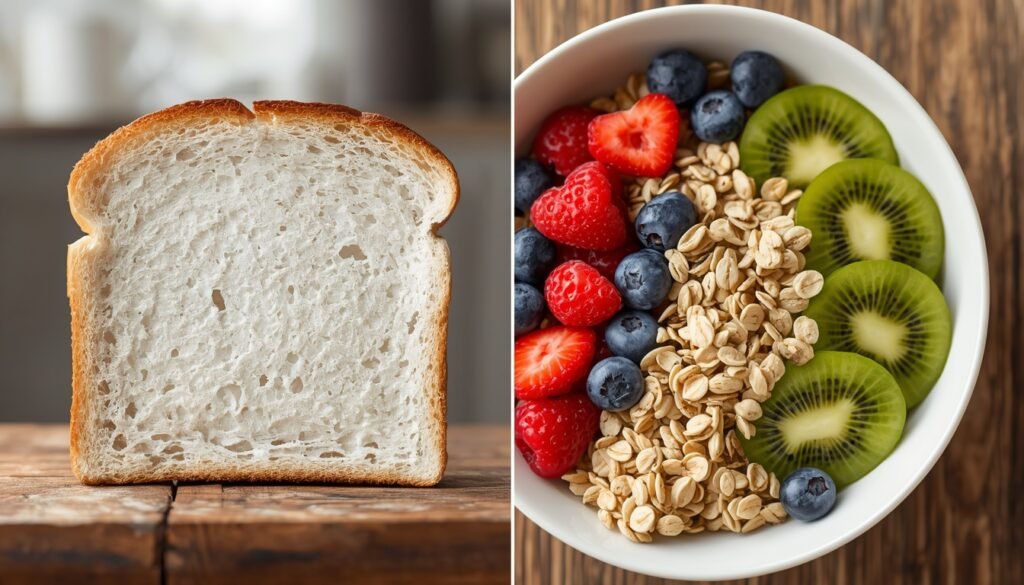
13. Whole-Grain Rye Bread
Rye is rich in insoluble fiber, and some studies suggest rye bread improves bowel movement frequency more than refined wheat bread. Look for labels that list whole rye flour first. Skip “wheat bread” that’s mostly refined flour.
Best for: Swapping out white bread without changing your routine.
14. Yogurt and Kefir
Fermented dairy supplies live bacteria that may support more regular digestion, and kefir has been studied for helping stool consistency. Choose plain, unsweetened versions and add your own fruit and seeds. Pair with our 30-day gut health reset for a structured approach.
Best for: People with constipation after antibiotics or stress.
15. Dried Figs
Dried figs contain fiber and a natural enzyme called ficin, and small studies have found fig paste helpful for constipation. Two or three figs is a sensible serving. They also provide calcium, which supports the goals in our bone health foods guide.
Best for: A sweet alternative to prunes.
Comparison Table
| Food | Key Helper | Typical Serving | Best For |
|---|---|---|---|
| Prunes | Fiber + sorbitol | 2-3 (up to 5-6) | Short-term relief |
| Kiwifruit | Fiber + actinidin | 2 daily | Daily maintenance |
| Chia seeds | Soluble fiber gel | 1 tbsp, soaked | Softening stool |
| Ground flaxseed | Mixed fiber | 1-2 tbsp | Mild, ongoing cases |
| Pears | Sorbitol + fiber | 1 medium | Gentle snacking |
| Apples | Pectin | 1 medium, with skin | Mild constipation |
| Lentils/beans | High fiber | 1/4 to 1/2 cup | Long-term regularity |
| Berries | Fiber + water | 1 cup | Easy add-on |
| Oats | Beta-glucan | 1 cup cooked | Breakfast routine |
| Leafy greens | Fiber + magnesium | 1 cup cooked | Tension-related cases |
| Avocado | Fiber + fats | 1/2 fruit | Savory meals |
| Sweet potato | Fiber (with skin) | 1 medium | Dinner side |
| Rye bread | Insoluble fiber | 1-2 slices | Bread swap |
| Yogurt/kefir | Probiotics | 3/4 cup | Post-antibiotic |
| Dried figs | Fiber + ficin | 2-3 | Sweet alternative |
Best Foods for Different Situations
If You’re Taking Iron Supplements or Eating Little Iron-Rich Food
Iron supplements are a well-known cause of constipation. Pair them with kiwi, prunes, and plenty of water, and discuss timing or forms with your doctor. Our iron-rich foods guide shows how to raise iron through food, which tends to be gentler on digestion than high-dose pills.
If Stress or Anxiety Is Slowing Things Down
The gut and brain talk constantly, and stress can slow digestion. Magnesium-rich greens, oats, and fermented foods are a good starting point. Our guide to foods for anxiety and stress relief overlaps with many of the foods on this list.
If You’re in Perimenopause or Menopause
Hormonal shifts can slow gut movement. Ground flaxseed, beans, and leafy greens are especially helpful. See our menopause diet guide for foods that support digestion and hormone balance together.
[IMAGE 4 – Step-by-Step | Alt text: “person stirring chia seeds into yogurt as part of the best foods for constipation routine”]
How to Add Fiber Correctly (Step by Step)
Adding fiber the right way is just as important as choosing the right foods.
Step 1: Know Your Baseline
Track what you eat for three days. Most people eat 12 to 16 grams of fiber daily. Your goal is to add 3 to 5 grams every few days, not 20 grams at once.
Step 2: Start With Gentle Foods
Begin with kiwi, pears, oats, and chia. These are easier on the gut than large servings of beans or raw bran.
Step 3: Drink More Water
Fiber absorbs water. Without enough fluid, it can form a dense mass. Spread water, herbal tea, and soup throughout the day.
Step 4: Be Patient
Give each change three to five days to take effect. Constipation relief from food is usually gradual, not instant.
Step 5: Add Movement and a Routine
A 10 to 20 minute walk after meals stimulates the gut. Try sitting on the toilet at the same time each day, ideally after breakfast, when the gut’s natural reflex is strongest.
Common Mistakes
1. Adding too much fiber too fast. A sudden jump causes gas, bloating, and cramping, and can worsen constipation. Increase gradually. If bloating is your main issue, our gut health reset plan shows a week-by-week approach.
2. Not drinking enough water. Fiber needs fluid to work. If your urine is dark yellow, you probably need more.
3. Ignoring magnesium and sleep. Low magnesium and poor rest both slow digestion. See our guide to foods for better sleep for foods that help both.
Expert Tips
Eat prunes with warm water or tea. Warm liquids stimulate the gut, and many people find a warm drink in the morning helps trigger a bowel movement.
Rotate your fiber sources. Different fibers feed different bacteria. Eating a variety of fruits, vegetables, legumes, and grains builds a more diverse microbiome than relying on one food.
Soak your seeds and grains. Soaking chia, flax, and oats overnight improves texture and makes them gentler on digestion.
Final Thoughts
There’s no single magic food for constipation, but there are clear winners. Best overall: prunes and kiwi. Best budget pick: oats and lentils. Best for beginners: pears and chia pudding. Best long-term strategy: a varied, plant-heavy diet with plenty of water.
Build your plan around a few foods you actually enjoy, increase fiber slowly, and stay consistent. For more ways to support your digestion and overall health, explore our Mediterranean diet plan, our guide to liver health foods, and our list of natural energy foods without caffeine.
This article is for general information and isn’t medical advice. See a doctor if constipation lasts more than three weeks, or if you notice blood in your stool, severe pain, unexplained weight loss, or a sudden change in bowel habits.
Frequently Asked Questions
What is the fastest food to relieve constipation? Prunes and kiwifruit are among the quickest options for many people, often working within a day or two. Prunes combine fiber with sorbitol, while kiwi supports motility with fiber and enzymes. Drink water alongside them. If nothing helps after a few days, talk to a healthcare provider.
How much fiber do I need per day? Most adults need roughly 25 to 34 grams daily, depending on age and sex. Many people eat about half that. Increase slowly, by a few grams every few days, to avoid gas and bloating.
Do I need to drink more water when eating more fiber? Yes. Fiber pulls water into the stool to keep it soft. Without enough fluid, extra fiber can make constipation worse. Aim for pale yellow urine as a simple guide, and increase water when you add fiber.
How long does it take for food to relieve constipation? Mild cases may improve in one to three days with prunes, kiwi, and water. Chronic constipation usually needs one to two weeks of steady dietary changes before you notice a consistent difference.
Is soluble or insoluble fiber better for constipation? Both help, in different ways. Insoluble fiber adds bulk and speeds transit, while soluble fiber softens stool. A mix of oats, fruit, beans, vegetables, and seeds covers both.
Are prunes better than fiber supplements? Some studies have found prunes at least as effective as psyllium for mild to moderate constipation, and they’re a whole food with added nutrients. Supplements can still be useful if you can’t reach your fiber goal through food.
Can probiotics help constipation? Some strains, particularly certain Bifidobacterium strains, may modestly improve stool frequency and consistency. Fermented foods like yogurt and kefir are a good starting point. See our probiotic supplements guide for supplement options.
Can I eat these foods if I have kidney problems? Some high-fiber foods, such as beans, leafy greens, and avocado, are high in potassium or phosphorus, which may need limiting with kidney disease. Check our kidney health foods guide and speak with your doctor or dietitian first.
Why does more fiber sometimes make me more constipated? Too much fiber too quickly, or too little water, can cause a bulky, hard stool that’s difficult to pass. Cut back slightly, drink more fluid, and rebuild gradually.
When should I see a doctor about constipation? See a doctor if constipation lasts more than three weeks, or if you have blood in your stool, severe abdominal pain, vomiting, unexplained weight loss, or a sudden change in bowel habits. These can signal conditions that need medical attention.
Author: Adam Last Updated: November 2026