Your liver never clocks out. It filters your blood, processes everything you eat and drink, stores energy, and makes the bile your body needs to digest fat. It does all of this quietly, which is exactly the problem: a liver that is struggling rarely sends a clear warning until the strain has been building for years.
That is why more people are searching for the best foods for liver health before a doctor hands them a worrying lab result. Fatty liver disease, now called metabolic dysfunction-associated steatotic liver disease (MASLD), is one of the most common liver conditions in the world, and by many estimates roughly one in three adults is affected to some degree. It is closely tied to blood sugar, weight, and cholesterol, which is why the same eating habits that protect your liver also help with insulin resistance and high cholesterol.
The confusing part is the advice. Search online and you will find “liver detox” teas, miracle juices, and expensive supplements. Most of it is noise. Your liver already detoxifies on its own, and what it needs from you is simple: steady, high-quality food and fewer of the things that overload it.
In this guide, we rank the best foods for liver health with real evidence behind them, explain how to choose between them, show you how to build a liver-friendly plate, and flag the common mistakes that undo good intentions.
Quick Answer
The best foods for liver health depend on your goal. If you want to reduce liver fat, focus on omega-3-rich fish, olive oil, nuts, and high-fiber plants like oats, beans, and leafy greens. If you want daily protection, add coffee, green tea, berries, and cruciferous vegetables such as broccoli. If you are managing a diagnosed condition, a Mediterranean-style pattern with less added sugar, fewer refined carbs, and little or no alcohol has the strongest support. The core principle is consistency: no single food fixes a liver, but a steady pattern of whole foods can measurably help.
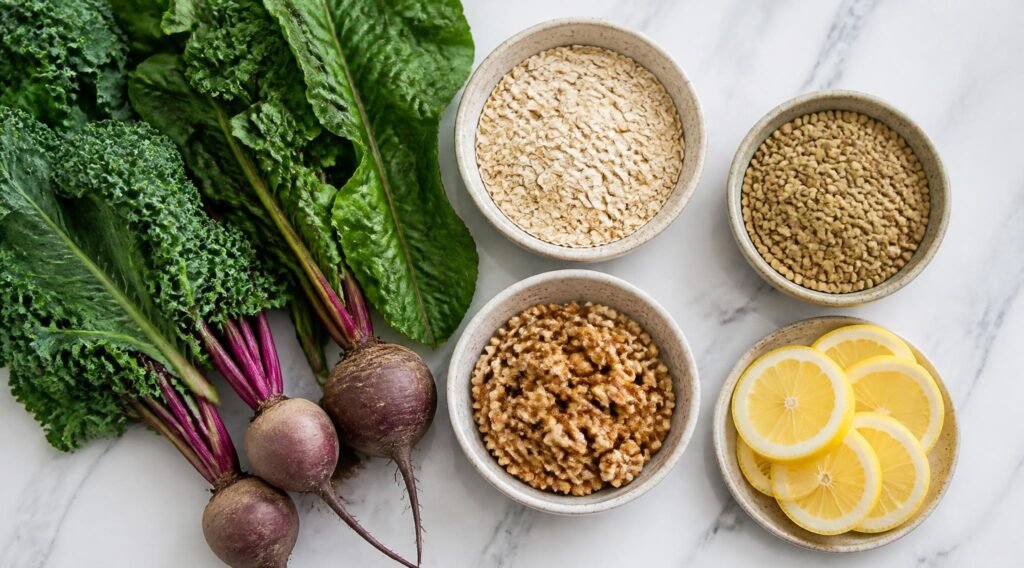
Table of Contents
- What Does “Liver Health” Really Mean?
- How to Choose the Right Liver-Friendly Foods
- 15 Best Foods for Liver Health
- Comparison Table
- Best Liver Foods for Different Situations
- How to Build a Liver-Friendly Plate
- Common Mistakes
- Expert Tips
- Final Thoughts
- Frequently Asked Questions
What Does “Liver Health” Really Mean?
A healthy liver does hundreds of jobs. It breaks down alcohol, medications, and metabolic waste. It converts the food you eat into stored energy and releases it when you need it. It produces cholesterol and the proteins that help your blood clot. When fat starts to accumulate inside liver cells, those jobs become harder, and over time the liver can become inflamed and scarred.
Fatty liver is often silent. Many people discover it only through a routine blood test or an ultrasound done for another reason. The encouraging news is that early-stage fatty liver is widely considered reversible. Diet, gradual weight loss, movement, and cutting back on alcohol are the main treatments, which is why foods for liver health are such a big part of the conversation.
It also helps to know what food can and cannot do. Food cannot “flush toxins” or cleanse your liver overnight. What it can do is lower the fat and inflammation load, steady your blood sugar, and supply antioxidants and fiber that your liver and gut use every day. If you already follow an anti-inflammatory meal plan, you are already eating in a way that supports your liver.
How to Choose the Right Liver-Friendly Foods
You do not need to eat all 15 of the best foods for liver health below. Ask yourself three questions to build a shortlist you will actually stick with:
- What is my main goal? Reducing liver fat points you toward fish, olive oil, nuts, and fiber. General protection points you toward coffee, tea, berries, and greens.
- What do I already eat? The easiest wins are swaps. Replace refined grains with oats, swap butter for olive oil, and trade sugary drinks for green tea.
- Do I take medication or have a diagnosis? Some foods interact with medications, and anyone with known liver disease should work with a doctor or registered dietitian.
For an authoritative starting point, the U.S. National Institute of Diabetes and Digestive and Kidney Diseases explains that eating more low-glycemic foods, favoring unsaturated fats like omega-3s, and minimizing alcohol are central to managing fatty liver. You can read their guidance on diet and nutrition for fatty liver disease before you start.
<a id=”best-foods”></a>
15 Best Foods for Liver Health
We have grouped the best foods for liver health by food type so you can see where each one fits on your plate. Each entry includes why it helps and who it suits best.
Group 1: Vegetables That Protect the Liver
1. Broccoli and Other Cruciferous Vegetables
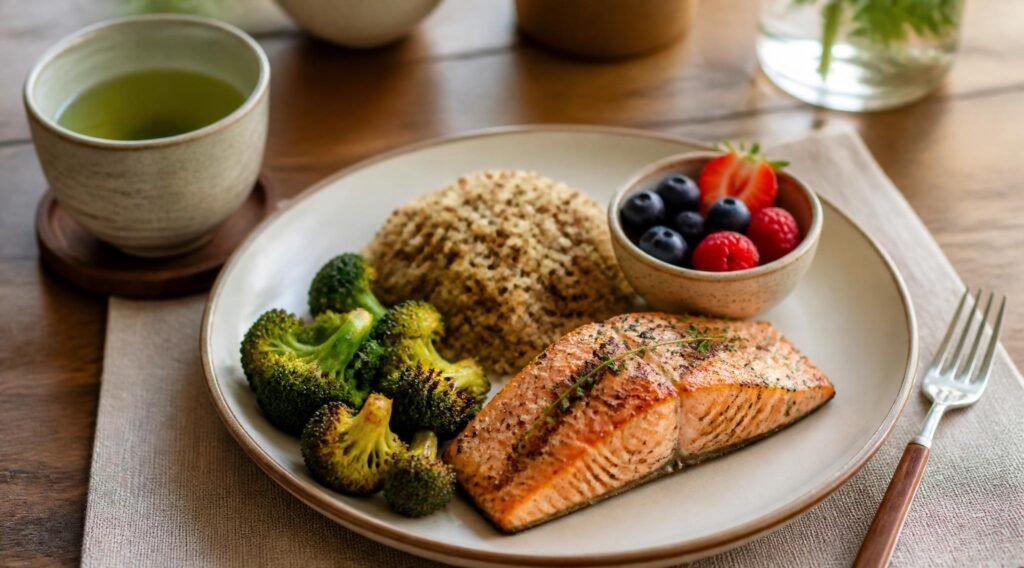
Why it helps: Broccoli, Brussels sprouts, cabbage, and cauliflower contain sulfur compounds that support the liver’s natural processing pathways. They are also high in fiber, which helps you feel full and manage weight, a key lever for fatty liver. Population studies link higher vegetable intake with a lower risk of fatty liver. Key nutrients: Fiber, vitamin C, vitamin K, sulforaphane. Best for: Daily protection and weight management. Our verdict: Aim for at least a cup most days, lightly steamed or roasted. They also support your defenses, as covered in our guide to foods that boost immunity.
2. Leafy Greens
Why it helps: Spinach, kale, arugula, and collards are low in calories and rich in antioxidants and nitrates. Replacing a refined-carb side with greens lowers the sugar load that drives fat storage in the liver. Key nutrients: Folate, magnesium, vitamins A, C, and K. Best for: Anyone who needs to eat more volume with fewer calories. Our verdict: Greens also help if your iron is low, so see our list of iron-rich foods for pairing ideas.
3. Beets
Why it helps: Beets contain betalains, pigments with antioxidant and anti-inflammatory activity, along with nitrates that support healthy blood flow. Early research suggests betalains may help protect liver cells from oxidative stress, though human trials are still limited. Key nutrients: Betalains, nitrates, fiber, folate. Best for: People who also want to support blood pressure. Our verdict: Roast or grate raw beets into salads. If you are also watching your numbers, our guide to foods that lower blood pressure naturally pairs well.
Group 2: Healthy Fats
4. Fatty Fish (Salmon, Sardines, Mackerel)
Why it helps: Omega-3 fatty acids may reduce fat in the liver and calm inflammation. Mayo Clinic notes that omega-3s may improve liver fat in people with MASLD, which is why fatty fish appears in nearly every liver-focused eating plan. Key nutrients: EPA, DHA, vitamin D, high-quality protein. Best for: Reducing liver fat and supporting heart health at the same time. Our verdict: Eat fatty fish twice a week. If you rarely eat fish, read our omega-3 supplement guide and talk to your doctor first.
5. Extra Virgin Olive Oil
Why it helps: Olive oil is the backbone of the Mediterranean diet, the eating pattern most often recommended for people with fatty liver. Its monounsaturated fats and polyphenols replace saturated fat and help reduce oxidative stress. Key nutrients: Oleic acid, polyphenols, vitamin E. Best for: Anyone who cooks at home and wants an easy swap for butter or seed-oil blends. Our verdict: Use about one to two tablespoons a day in place of other fats, not on top of them. Our 7-day Mediterranean meal plan shows how.
6. Walnuts
Why it helps: Walnuts are one of the few plant foods rich in the omega-3 fat ALA. Studies of people with fatty liver suggest nuts, and walnuts in particular, are linked with better liver outcomes and lower inflammation. Key nutrients: ALA omega-3, polyphenols, fiber, magnesium. Best for: Vegetarians and anyone who does not eat fish. Our verdict: A small handful a day is enough. Walnuts also help your thinking, as you will see in our guide to foods that boost memory and brain function.
7. Avocado
Why it helps: Avocados provide monounsaturated fat and fiber, which keep you full and help steady blood sugar. They also contain glutathione-supporting nutrients and vitamin E. Key nutrients: Monounsaturated fat, fiber, potassium, vitamin E. Best for: Replacing mayonnaise, cheese, or processed spreads. Heads-up: Calorie-dense, so portion size matters if you are losing weight. Half an avocado is a good serving.
Group 3: Fiber-Rich Carbs
8. Oats
Why it helps: Oats supply beta-glucan, a soluble fiber that slows sugar absorption and feeds beneficial gut bacteria. Swapping refined breakfast cereals for oats is one of the easiest ways to follow the low-glycemic advice NIDDK recommends. Key nutrients: Beta-glucan, manganese, B vitamins. Best for: Weight loss and steady morning energy. Our verdict: Choose rolled or steel-cut oats with fruit and nuts rather than flavored instant packets. For more on the weight angle, see our list of foods for weight loss and burning belly fat.
9. Beans, Lentils, and Chickpeas
Why it helps: Legumes combine plant protein with fiber, a pairing that improves fullness and blood sugar control. Their fiber also feeds the gut microbiome, which communicates closely with the liver. Key nutrients: Fiber, plant protein, folate, iron. Best for: Budget-friendly, filling meals. Our verdict: Start with a half cup and increase slowly to avoid bloating. Our 30-day gut health reset plan walks you through that gradually.
Group 4: Fruits
10. Berries
Why it helps: Blueberries, strawberries, raspberries, and blackberries are packed with anthocyanins, antioxidants that may reduce inflammation. They are sweet but low in sugar compared to most fruit and high in fiber. Key nutrients: Anthocyanins, vitamin C, fiber. Best for: Satisfying a sweet tooth without a sugar spike. Our verdict: Fresh or frozen both work. Berries also appear in our guide to collagen-rich foods for skin, so one habit does double duty.
11. Grapefruit and Citrus
Why it helps: Citrus fruits provide vitamin C and flavonoids such as naringenin, which are being studied for their effects on liver fat and inflammation. Key nutrients: Vitamin C, flavonoids, fiber (whole fruit). Best for: A refreshing, low-calorie snack. Heads-up: Grapefruit interacts with many common medications, including some statins and blood pressure drugs. Check with your pharmacist before adding it. Oranges and lemons are safer alternatives.
Group 5: Drinks, Herbs, and Spices
12. Coffee
Why it helps: This is one of the best-studied foods for the liver. Regular, moderate coffee drinking is associated with a lower risk of fibrosis, cirrhosis, and liver cancer in large observational studies, and reviews of dietary strategies for MASLD list coffee as potentially beneficial. Key nutrients: Chlorogenic acids, caffeine, diterpenes. Best for: Coffee drinkers who want a reason to keep the habit. Heads-up: The benefit applies to plain coffee. Syrups, whipped cream, and sugar cancel it out. If caffeine bothers you, see our guide to natural energy foods without caffeine.
13. Green Tea
Why it helps: Green tea is rich in catechins, antioxidants studied for their effect on liver enzymes and fat metabolism. Regular drinkers tend to have lower rates of fatty liver in observational research. Key nutrients: EGCG and other catechins, L-theanine. Best for: A low-calorie replacement for sugary drinks. Our verdict: Drink brewed tea, two to three cups a day. Avoid high-dose green tea extract capsules, which have been linked to rare cases of liver injury. Tea also supports your metabolism, as covered in our guide to foods that boost metabolism.
14. Garlic
Why it helps: Garlic contains allicin and other sulfur compounds. Small studies suggest regular garlic intake may modestly reduce body weight and liver fat in people with fatty liver, though more research is needed. Key nutrients: Allicin, manganese, vitamin B6. Best for: Flavoring food without salt. Our verdict: Crush it and let it rest for a few minutes before cooking to preserve its active compounds.
15. Turmeric
Why it helps: Curcumin, the main compound in turmeric, has anti-inflammatory effects, and some trials show improved liver markers in people with fatty liver. Key nutrients: Curcumin. Best for: Adding flavor and color to soups, curries, and roasted vegetables. Heads-up: Culinary amounts are considered safe, but high-dose turmeric supplements have been linked to rare cases of liver injury. Pair it with black pepper in food, and skip concentrated capsules unless your doctor approves. For a broader look at its anti-inflammatory role, see our guide to foods for joint pain and arthritis relief.
Comparison Table
| Food | Best For | Main Active Compound | Easy Serving | Caution |
|---|---|---|---|---|
| Broccoli | Daily protection | Sulforaphane, fiber | 1 cup | Gas if raw in large amounts |
| Leafy greens | Low-calorie volume | Folate, nitrates | 2 cups raw | Vitamin K if on warfarin |
| Beets | Blood flow | Betalains | 1 medium beet | May tint urine pink |
| Fatty fish | Liver fat | EPA and DHA | 3–4 oz, twice weekly | Mercury in some species |
| Olive oil | Mediterranean pattern | Oleic acid, polyphenols | 1–2 tbsp | Calorie-dense |
| Walnuts | Plant omega-3 | ALA | Small handful | Nut allergy |
| Avocado | Replacing saturated fat | Monounsaturated fat | ½ avocado | Calorie-dense |
| Oats | Blood sugar control | Beta-glucan | ½ cup dry | Choose unsweetened |
| Legumes | Fullness and gut health | Fiber, plant protein | ½ cup cooked | Bloating at first |
| Berries | Antioxidants | Anthocyanins | 1 cup | Few |
| Citrus | Flavonoids | Naringenin, vitamin C | 1 fruit | Grapefruit and medications |
| Coffee | Long-term protection | Chlorogenic acids | 2–3 cups | Caffeine sensitivity |
| Green tea | Sugar-drink swap | Catechins | 2–3 cups | Avoid extracts |
| Garlic | Flavor without salt | Allicin | 1–2 cloves | Digestive upset |
| Turmeric | Anti-inflammatory | Curcumin | Used in cooking | Avoid high-dose capsules |
Best Foods for Liver Health in Different Situations
If You Have Fatty Liver or Prediabetes
Prioritize fiber, omega-3 fats, and low-glycemic carbs. Build meals around fish, legumes, vegetables, and olive oil, and cut back on sugary drinks, which are one of the most direct dietary drivers of liver fat. Gradual weight loss of around 5–10% of body weight is often recommended when excess weight is a factor. Our guides on insulin resistance and beginner anti-inflammatory eating give you a ready-made framework.
If You Have PCOS, Thyroid Issues, or Menopause
Hormones and metabolism are closely linked to liver fat. Women with PCOS have a higher risk of fatty liver, and an underactive thyroid can also contribute. The same liver-friendly foods apply, with extra attention to steady blood sugar and protein at every meal. See our guides on PCOS and hormonal balance, thyroid health, and the menopause diet.
If You Are Busy and Want the Simplest Version
You do not need a perfect plan. Start with three habits: swap one sugary drink for green tea or coffee, add one serving of vegetables to lunch and dinner, and eat fatty fish or beans twice a week. These three changes cover most of what the research supports, and they take almost no extra time.
How to Build a Liver-Friendly Plate
Knowing the best foods for liver health is only half the job. Here is how to turn them into daily meals.
Step 1: Audit Your Current Week
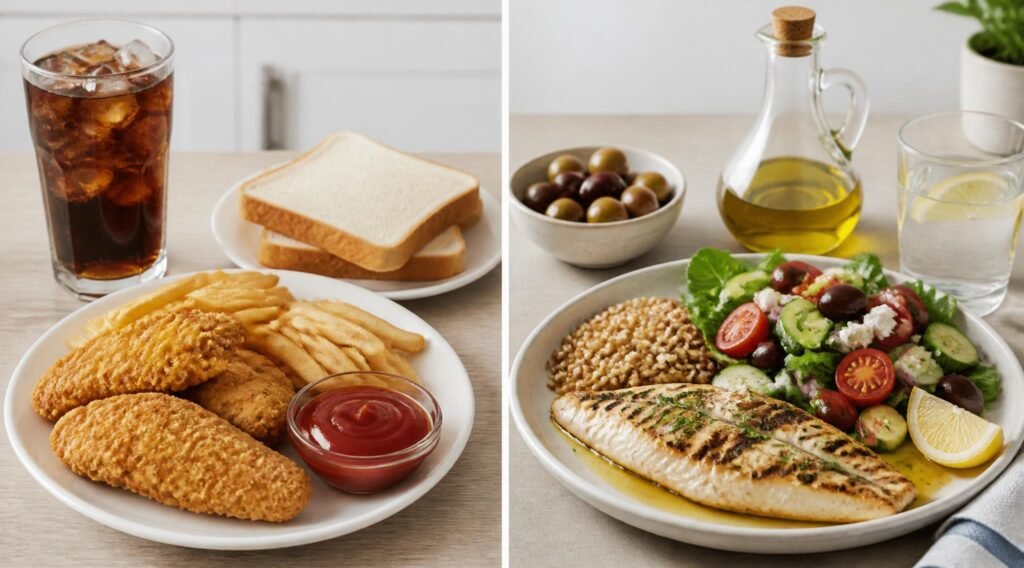
For three days, write down what you eat and drink. Look for sugary beverages, fried foods, and refined carbs such as white bread and pastries. These are the first things to replace.
Step 2: Fill Half Your Plate With Vegetables
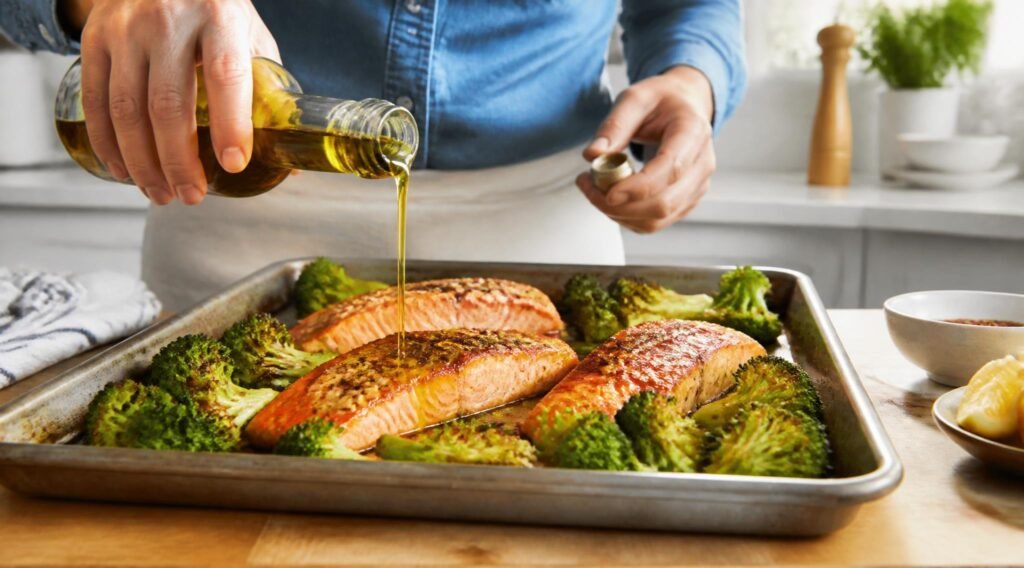
Make half of lunch and dinner non-starchy vegetables, with broccoli, leafy greens, or beets rotating through the week.
Step 3: Choose Your Protein and Fat
Add a palm-sized portion of fish, beans, lentils, eggs, or poultry. Cook with olive oil and finish with a few walnuts or half an avocado.
Step 4: Swap Refined Carbs for Fiber
Replace white rice or bread with oats, quinoa, or legumes. NIDDK recommends low-glycemic options because they affect blood sugar less than foods like white bread and potatoes.
Step 5: Make Drinks Count
Choose water, coffee, and unsweetened green tea. Limit or avoid alcohol, especially if you have been told your liver enzymes are high. Mayo Clinic’s overview of the fatty liver disease diet is a good reference for the broader picture.
Common Mistakes to Avoid
Mistake 1: Trusting “Detox” Products
Liver cleanses, juice fasts, and detox teas promise a lot and prove little. Some cause cramping, dehydration, or even harm. Your liver already detoxifies on its own, so focus on the best foods for liver health instead.
Mistake 2: Relying on Supplements
Milk thistle, turmeric capsules, green tea extract, and other concentrated products are not risk-free. Several have been linked to rare liver injury. If you want to support your gut and liver together, start with food, then review our guide to probiotic supplements for gut health with your doctor.
Mistake 3: Crash Dieting
Losing weight too fast can actually worsen liver inflammation. A steady pace is safer and easier to maintain. Poor sleep makes this harder too, since it drives cravings and blood sugar swings, so check our list of foods for better sleep.
Expert Tips
Think pattern, not superfood. No single one of the best foods for liver health matters as much as how you eat across weeks and months. A Mediterranean-style pattern has the most consistent evidence for fatty liver.
Watch liquid sugar first. Sodas, sweetened coffee drinks, and fruit juices deliver large amounts of fructose in a form your liver processes quickly. Cutting these often produces the biggest change for the least effort.
Pair food changes with movement. Regular physical activity reduces liver fat even before weight changes. A daily 30-minute walk adds to everything on your plate.
Final Thoughts: Your Liver-Friendly Starter List
If you want a short list to start with, here it is:
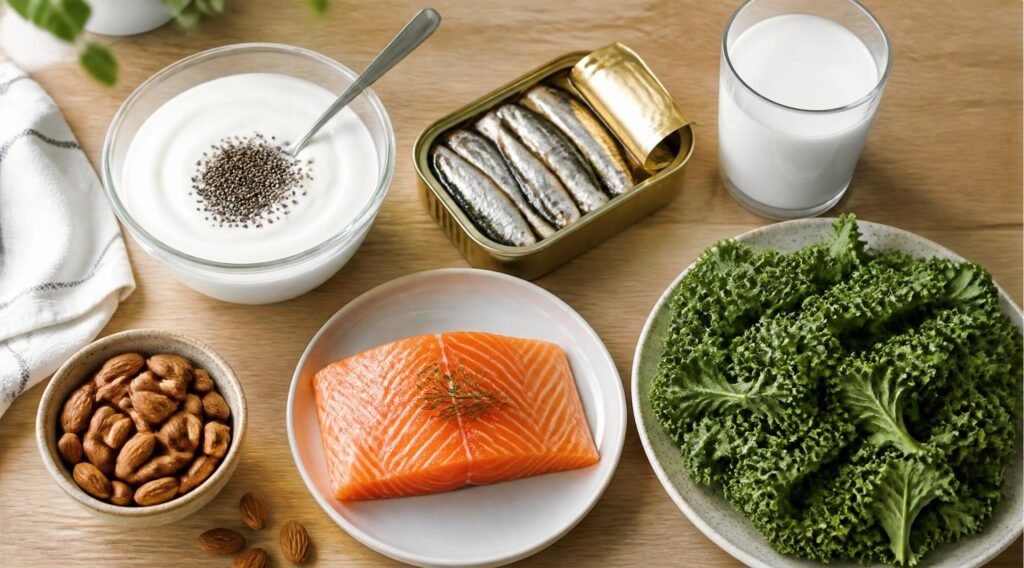
- Best overall: Fatty fish, olive oil, and leafy greens
- Best budget: Oats, lentils, and cabbage
- Best for daily habits: Coffee and green tea
- Best for beginners: Add berries and walnuts to breakfast
The best foods for liver health are not exotic. They are the same whole foods that protect your heart, brain, and bones, which is why liver-friendly eating pays off everywhere. If you want to keep going, explore our guides to bone health foods, foods for anxiety and stress relief, and hair growth foods.
This article is for general education and is not medical advice. If you have been diagnosed with liver disease, have abnormal liver tests, or take medication, talk to your doctor or a registered dietitian before changing your diet or starting supplements.
<a id=”faq”></a>
Frequently Asked Questions
1. What is the single best food for liver health?
There is no single best food, but coffee and fatty fish have some of the strongest evidence. Coffee is linked with lower rates of liver scarring in large studies, and omega-3 fats from fish may reduce liver fat. A varied pattern beats any one item.
2. Can food reverse fatty liver?
Early fatty liver can often improve or reverse with diet, gradual weight loss, exercise, and less alcohol. More advanced scarring is harder to reverse, which is why early action and medical follow-up matter.
3. How long does it take to see improvement?
Liver fat can start to drop within weeks of consistent changes, but meaningful improvement in tests and imaging usually takes several months. Ask your doctor when to repeat your labs.
4. Do I need a liver detox?
No. Your liver detoxifies continuously. Detox kits and cleanses have little evidence behind them and can be harmful. Healthy eating, hydration, and limiting alcohol are the proven approach.
5. Is coffee really good for the liver?
Large observational studies associate regular coffee drinking with lower risk of cirrhosis and liver cancer. Unsweetened black or lightly dairy-based coffee is best. This is an association, not proof of cause, so it should not replace other healthy habits.
6. What foods are worst for the liver?
Sugary drinks, fried foods, refined carbohydrates, processed meats, and excess alcohol put the most strain on the liver. You do not need perfection, but reducing these makes a real difference.
7. Are eggs bad for the liver?
For most people, eggs are fine in moderation. They provide high-quality protein and choline, a nutrient involved in moving fat out of the liver. If you have specific cholesterol concerns, ask your doctor.
8. Is milk thistle worth taking?
Evidence is mixed and generally modest. Talk to your doctor before taking it, particularly if you use other medications or have a diagnosed liver condition. Food-first changes are better supported.
9. Does thyroid health affect the liver?
Yes. An underactive thyroid is associated with a higher risk of fatty liver. Treating the thyroid and following a nutrient-dense diet can both help, and our guide to thyroid-supporting foods is a good place to start.
10. Can I drink alcohol if I am eating liver-friendly foods?
Healthy food does not cancel the effects of alcohol. If you have fatty liver or elevated liver enzymes, most guidelines recommend minimizing or avoiding alcohol entirely. Your doctor can give you advice that fits your situation.
Author: Adam Last Updated: October 2026