

Discover the best foods for PCOS hormonal balance, reduce insulin resistance, and support overall wellness with this science-backed PCOS diet guide, meal plan, and nutrition tips.
Polycystic Ovary Syndrome (PCOS) is one of the most common endocrine disorders affecting women of reproductive age worldwide, impacting an estimated 8% to 13% of women. Despite its prevalence, managing PCOS can often feel confusing, frustrating, and overwhelming. From sudden weight fluctuations and stubborn cystic acne to irregular menstrual cycles, fatigue, and hair thinning, the symptoms of PCOS can deeply affect daily quality of life.
As a Registered Dietitian and Women’s Health Nutritionist, I work with women every day who feel let down by generic, restrictive dietary advice. The most critical truth to understand early in your journey is this: dietary modifications are a foundational, evidence-based tool for managing PCOS symptoms, but nutrition is a management strategy, not a medical cure.
PCOS is a lifelong, complex metabolic and hormonal condition. While no single food or magical diet can erase PCOS overnight, targeted PCOS nutrition can dramatically improve your insulin sensitivity, lower systemic inflammation, reduce androgen levels, regulate ovulation, and restore your baseline energy.
In this comprehensive, evidence-backed guide, we will break down the precise physiological links between insulin resistance and PCOS, reveal the top 15 best foods for PCOS hormonal balance, outline foods to limit, provide a practical 7-day PCOS meal plan, and address common nutrition pitfalls—empowering you to take control of your health with clarity and confidence.
What Is PCOS? Understanding the Hormonal & Metabolic Cascade
To understand why specific foods for PCOS work so effectively, we must first look under the hood at the underlying physiology.
Polycystic Ovary Syndrome is not merely a reproductive disorder—it is primarily a systemic metabolic condition driven by a trio of interconnected factors: hyperinsulinemia (elevated insulin), hyperandrogenism (excess male hormones like testosterone), and chronic low-grade systemic inflammation.
┌────────────────────────────────────────────────────────┐
│              The PCOS Hormonal Triad                   │
├────────────────────────────────────────────────────────┤
│                                                        │
│   Insulin Resistance  ──►  Ovarian Androgen Production │
│           │                         │                  │
│           ▼                         ▼                  │
│   Low-Grade Chronic Inflammation  ◄─┴─► Ovulatory      │
│                                         Dysfunction    │
└────────────────────────────────────────────────────────┘
1. Insulin Resistance and PCOS
Insulin is a hormone produced by your pancreas that acts like a key, unlocking your cells so glucose (sugar) from your bloodstream can enter and be used for energy. In approximately 70% to 80% of women with PCOS, the body’s cells become resistant to insulin’s signals.
Because the cells aren’t absorbing glucose efficiently, the pancreas compensates by pumping out increasingly higher levels of insulin. This elevated circulating insulin (hyperinsulinemia) directly signals the ovaries to overproduce androgens, particularly testosterone. High androgen levels disrupt follicular development, preventing eggs from maturing and leading to irregular or absent ovulation, acne, facial hair growth (hirsutism), and androgenic alopecia (hair thinning).
2. Chronic Low-Grade Inflammation
Research shows that women with PCOS consistently exhibit elevated markers of systemic inflammation, such as C-reactive protein (CRP) and inflammatory cytokines (TNF-alpha and IL-6). White blood cells are triggered into a mild, constant immune response, which further worsens insulin resistance and drives androgen production in the adrenal glands and ovaries.
3. Sex Hormone-Binding Globulin (SHBG)
SHBG is a protein produced by the liver that binds to free testosterone in your bloodstream, rendering it inactive. High levels of insulin suppress liver production of SHBG. Less SHBG means more unbound, “free” testosterone circulating in your body, exacerbating PCOS symptoms.
How Diet Affects Hormones: The Science of PCOS Nutrition

Nutrition directly modulates insulin secretion, inflammatory pathways, and gut health. Every meal you eat presents an opportunity to either spike insulin and trigger inflammatory cytokines or stabilize blood glucose and calm the immune system.
The Role of Glycemic Index and Glycemic Load
The Glycemic Index (GI) measures how rapidly a food raises blood glucose levels compared to pure glucose. Foods high in refined sugars and simple starches cause a rapid glucose spike, prompting a massive surge of insulin from the pancreas.
Conversely, high-fiber foods for PCOS paired with protein and healthy fats slow down gastric emptying, resulting in a gradual, gentle release of glucose into the bloodstream. Clinical trials consistently show that a low-GI, low-glycemic load PCOS diet significantly improves insulin sensitivity, lowers total testosterone, and restores regular menstrual cycles.
The Gut Microbiome & Estrogen Elimination (The Estrobolome)
Your gut microbiome plays a central role in hormone regulation. A subset of gut bacteria, known as the estrobolome, produces an enzyme called beta-glucuronidase, which regulates the metabolism and excretion of estrogen.
When gut health is compromised by poor diet, low fiber, or chronic stress, dysbiosis occurs. This can cause excess estrogen to be reabsorbed into circulation rather than excreted, worsening hormonal imbalances such as estrogen dominance relative to low progesterone.
The Macro Distribution Strategy
Rather than counting calories or cutting out entire food groups, successful PCOS healthy eating relies on creating a balanced plate that regulates glucose and promotes satiety.
Top 15 Best Foods for PCOS Hormonal Balance
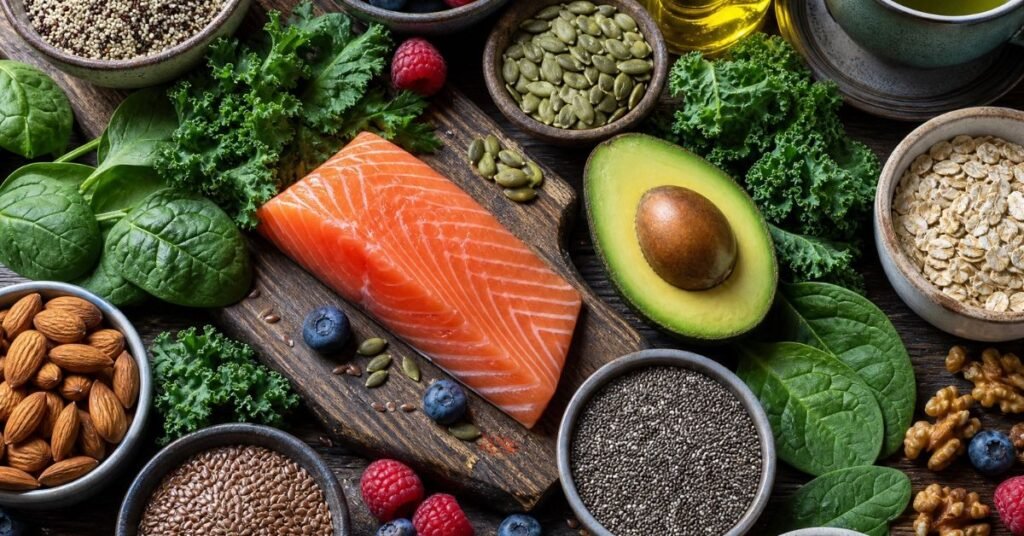
Incorporating nutrient-dense, functional whole foods is the most sustainable strategy for long-term health. Here are the top 15 hormone balancing foods specifically chosen for their clinical efficacy in lowering insulin resistance, combating inflammation, and supporting androgen detoxification.
1. Wild-Caught Fatty Fish (Salmon, Sardines, Mackerel)
- Key Nutrients: Eicosapentaenoic acid (EPA), Docosahexaenoic acid (DHA), Vitamin D, Selenium.
- PCOS Mechanism: Fatty fish are the premier source of long-chain omega-3 fatty acids. Omega-3s lower systemic inflammation by inhibiting pro-inflammatory eicosanoid pathways. Clinical studies demonstrate that regular omega-3 intake reduces serum testosterone, lowers fasting insulin, and improves lipid profiles in women with PCOS. Enjoy grilled or baked salmon twice a week, or toss canned wild sardines into salads. 4–6 oz portion of baked wild salmon with lemon and olive oil.
2. Spearmint Tea (Mentha spicata)
- Key Nutrients: Polyphenols, Rosmarinic acid, Flavonoids.
- PCOS Mechanism: Spearmint tea is renowned in reproductive endocrinology for its anti-androgenic properties. Randomized controlled trials have shown that drinking spearmint tea twice daily significantly reduces free and total testosterone levels while increasing luteinizing hormone (LH) and follicle-stimulating hormone (FSH) in women with PCOS.
- How to Incorporate: Steep 1–2 tea bags in hot water for 10 minutes.
- Serving Suggestion: 2 cups daily (one in the morning, one in the afternoon).
3. Chia Seeds & Flaxseeds
- Key Nutrients: Alpha-linolenic acid (ALA), Soluble Fiber, Lignans, Magnesium.
- PCOS Mechanism: Ground flaxseeds are extremely rich in lignans—phytoestrogenic compounds that bind to estrogen receptors and promote the synthesis of SHBG in the liver. Higher SHBG binds excess free testosterone. Chia seeds absorb water and form a gel in the GI tract, slowing carbohydrate digestion and blunting insulin spikes.
- How to Incorporate: Add ground flaxseed or chia seeds to overnight oats, smoothies, or yogurt bowls.
- Serving Suggestion: 2 tablespoons of freshly ground flaxseed or chia seeds daily.
4. Dark Leafy Greens (Spinach, Kale, Swiss Chard)
- Key Nutrients: Folate (B9), Magnesium, Calcium, Iron, Antioxidants (Lutein).
- PCOS Mechanism: Dark leafy greens are powerhouses of magnesium and natural folate. Magnesium improves insulin receptor sensitivity and regulates cortisol levels. B vitamins like folate are essential for homocysteine metabolism and methylation, which supports liver detoxification of excess hormones.
- How to Incorporate: Sauté spinach into morning eggs, use kale as a salad base, or blend greens into protein smoothies.
- Serving Suggestion: 2–3 cups of raw greens or 1 cup of cooked greens per day.
5. Avocados
- Key Nutrients: Monounsaturated Fatty Acids (MUFAs), Potassium, Dietary Fiber, Vitamin E.
- PCOS Mechanism: Rich in oleic acid, avocados support lipid metabolism without spiking insulin. Fiber and healthy fats slow down gastric emptying, keeping blood sugar stable for hours after a meal. Potassium helps reduce water retention and maintain healthy blood pressure levels.
- How to Incorporate: Slice onto whole-grain toast, mash into guacamole, or serve alongside breakfast eggs.
- Serving Suggestion: 1/2 medium avocado daily.
6. Berries (Blueberries, Raspberries, Blackberries, Strawberries)
- Key Nutrients: Anthocyanins, Ellagic acid, Vitamin C, Low-GI Fiber.
- PCOS Mechanism: Berries have one of the lowest glycemic loads among fruits, making them ideal for blood sugar control. Anthocyanins give berries their dark color and act as potent antioxidants, neutralizing reactive oxygen species (ROS) and mitigating oxidative stress in ovarian tissues.
- How to Incorporate: Top unsweetened Greek yogurt, toss into chia pudding, or consume as a mid-afternoon snack paired with walnuts.
- Serving Suggestion: 1/2 to 1 cup of fresh or frozen berries daily.
7. Lentils & Chickpeas
- Key Nutrients: Complex Carbohydrates, Plant-Based Protein, Resistant Starch, Zinc.
- PCOS Mechanism: Legumes contain resistant starch and soluble fiber that bypass early digestion to feed beneficial gut bacteria in the colon. This fermentable fiber yields short-chain fatty acids (SCFAs) like butyrate, which improve insulin sensitivity and decrease intestinal permeability. Zinc supports follicular development and helps inhibit 5-alpha-reductase, the enzyme that converts testosterone into its more potent form, DHT (dihydrotestosterone).
- How to Incorporate: Substitute meat with lentil soups, add chickpeas to Mediterranean salads, or blend into homemade hummus.
- Serving Suggestion: 1/2 cup of cooked lentils or chickpeas per serving.
8. Extra Virgin Olive Oil (EVOO)
- Key Nutrients: Polyphenols (Oleocanthal), Oleic Acid, Vitamin E.
- PCOS Mechanism: EVOO is the cornerstone of anti-inflammatory dietary patterns. Oleocanthal acts similarly to non-steroidal anti-inflammatory drugs (NSAIDs) by inhibiting COX-1 and COX-2 pro-inflammatory enzymes. EVOO improves postprandial glucose uptake and enhances endothelial function.
- How to Incorporate: Drizzle raw over steamed vegetables, use in salad dressings, or dip whole-grain bread.
- Serving Suggestion: 1–2 tablespoons daily (avoid high-heat cooking to preserve polyphenols).
9. Walnuts
- Key Nutrients: Alpha-linolenic acid (Plant Omega-3), Polyphenols, Magnesium, Melatonin.
- PCOS Mechanism: Walnuts are unique among tree nuts because they contain significant amounts of omega-3 fatty acids. Clinical research demonstrates that walnut consumption increases circulating SHBG levels by up to 12–20%, directly helping lower unbound circulating androgens in women with PCOS.
- How to Incorporate: Chop over salads, stir into morning oatmeal, or combine with berries for a balanced snack.
- Serving Suggestion: 1 ounce (about 7 whole walnuts or a small handful) per day.
10. Broccoli & Cruciferous Vegetables (Cauliflower, Brussels Sprouts, Cabbage)
- Key Nutrients: Diindolylmethane (DIM), Sulforaphane, Indole-3-Carbinol (I3C), Fiber.
- PCOS Mechanism: Cruciferous vegetables contain glucosinolates, which break down into Indole-3-Carbinol and DIM during digestion. DIM supports Phase II liver detoxification, favoring the benign 2-hydroxyestrogen pathway over the more inflammatory 16-alpha-hydroxyestrogen pathway. Sulforaphane activates the Nrf2 pathway, turning on the body’s primary antioxidant defenses.
- How to Incorporate: Steam, roast with olive oil, or rice cauliflower as a low-GI grain alternative.
- Serving Suggestion: 1 to 1.5 cups daily.
11. Pumpkin Seeds (Pepitas)
- Key Nutrients: Zinc, Magnesium, Essential Fatty Acids, Phytosterols.
- PCOS Mechanism: Pumpkin seeds are packed with zinc, which plays a pivotal role in regulating menstrual function, reducing androgen production, and alleviating hair loss and unwanted facial hair growth. Phytosterols in pumpkin seeds support healthy cholesterol ratios, helping manage dyslipidemia associated with PCOS.
- How to Incorporate: Sprinkle raw or lightly roasted pepitas over soups, salads, or smoothies.
- Serving Suggestion: 1–2 tablespoons daily.
12. Fermented Foods (Unsweetened Greek Yogurt, Kimchi, Kefir, Sauerkraut)
- Key Nutrients: Probiotics (Lactobacillus, Bifidobacterium species), Bioavailable Protein, Calcium.
- PCOS Mechanism: Probiotic-rich fermented foods reinforce tight junctions in the intestinal lining, decreasing circulating endotoxins (lipopolysaccharides or LPS) that trigger systemic inflammation and insulin resistance. Plain Greek yogurt also offers a concentrated source of protein to stabilize blood sugar levels.
- How to Incorporate: Use plain Greek yogurt as a base for berry bowls, or add a forkful of kimchi or sauerkraut as a savory dinner side.
- Serving Suggestion: 1/2 to 1 cup of yogurt/kefir or 2 tablespoons of cultured vegetables daily.
13. Ceylon Cinnamon
- Key Nutrients: Cinnamaldehyde, Proanthocyanidins, Polyphenols.
- PCOS Mechanism: Cinnamon acts as an insulin sensitizer by enhancing insulin receptor phosphorylation and activating GLUT-4 glucose transporters in muscle cells. Clinical studies show that 1.5 grams of cinnamon daily can lower fasting glucose, reduce HOMA-IR scores, and support more regular menstrual cycles in women with PCOS.
- How to Incorporate: Sprinkle onto oatmeal, blend into protein shakes, or dust over roasted sweet potatoes.
- Serving Suggestion: 1/2 to 1 teaspoon of true Ceylon cinnamon daily.
14. Quinoa & Buckwheat
- Key Nutrients: Complex Carbohydrates, D-Chiro-Inositol, Complete Protein, Fiber.
- PCOS Mechanism: Unlike refined white grains, pseudo-grains like quinoa and buckwheat contain intact fiber structures that result in a low glycemic response. Buckwheat is a natural source of D-Chiro-Inositol (DCI), a secondary messenger involved in cellular insulin signaling pathways that are often impaired in PCOS.
- How to Incorporate: Use cooked quinoa as a salad base, served alongside stir-fries, or as a breakfast porridge.
- Serving Suggestion: 1/2 cup of cooked quinoa or buckwheat per meal.
15. Dark Chocolate (85%+ Cacao)
- Key Nutrients: Flavanols, Magnesium, Iron, Prebiotic Fiber.
- PCOS Mechanism: High-cacao dark chocolate is rich in antioxidant flavanols that improve nitric oxide production, enhance vascular elasticity, and reduce blood pressure. Flavanols also lower cortisol levels and support cell sensitivity to insulin.
- How to Incorporate: Enjoy a small square after dinner as a mindful, low-sugar treat.
- Serving Suggestion: 1 ounce (1–2 small squares) of 85% or higher dark chocolate.
Top PCOS Foods: Nutritional & Functional Comparison
| Food Item | Primary Key Nutrients | Target Hormones / Markers | Glycemic Index (GI) | Primary Biological Mechanism |
| Wild Salmon | EPA, DHA Omega-3s, Vitamin D | Fasting Insulin, Testosterone, CRP | Very Low (0) | Reduces NF-kB inflammatory pathways; improves lipid profiles. |
| Spearmint Tea | Rosmarinic Acid, Polyphenols | Free & Total Testosterone, LH, FSH | Very Low (0) | Anti-androgenic properties; lowers circulating free testosterone. |
| Ground Flaxseeds | Lignans, Soluble Fiber, ALA | SHBG, Testosterone, Estrogen | Very Low | Stimulates hepatic SHBG synthesis; binds free testosterone. |
| Spinach & Greens | Magnesium, Folate (B9) | Fasting Glucose, Cortisol | Very Low | Enhances insulin receptor sensitivity; supports liver methylation. |
| Avocado | Oleic Acid, Potassium, Fiber | Insulin, Ghrelin (Hunger) | Very Low | Slows gastric emptying; maintains postprandial glycemic stability. |
| Blueberries | Anthocyanins, Vitamin C | Reactive Oxygen Species (ROS), CRP | Low (~53) | Neutralizes oxidative stress in ovarian tissue; lowers inflammatory markers. |
| Lentils | Resistant Starch, Plant Protein, Zinc | Insulin, 5-Alpha-Reductase | Low (~32) | Yields SCFAs (butyrate); inhibits conversion of testosterone to DHT. |
| Extra Virgin Olive Oil | Oleocanthal, MUFAs | Pro-inflammatory Cytokines (IL-6, TNF-a) | Very Low (0) | Inhibits COX-1/COX-2 enzymes similarly to anti-inflammatory agents. |
| Walnuts | ALA Omega-3s, Polyphenols | SHBG, Total Cholesterol | Very Low (~15) | Clinically proven to raise SHBG by 12–20%, reducing free androgen activity. |
| Broccoli | DIM, Sulforaphane, I3C | Estrogen Metabolites | Low (~15) | Drives Phase II liver detox favoring benign 2-hydroxyestrogen pathway. |
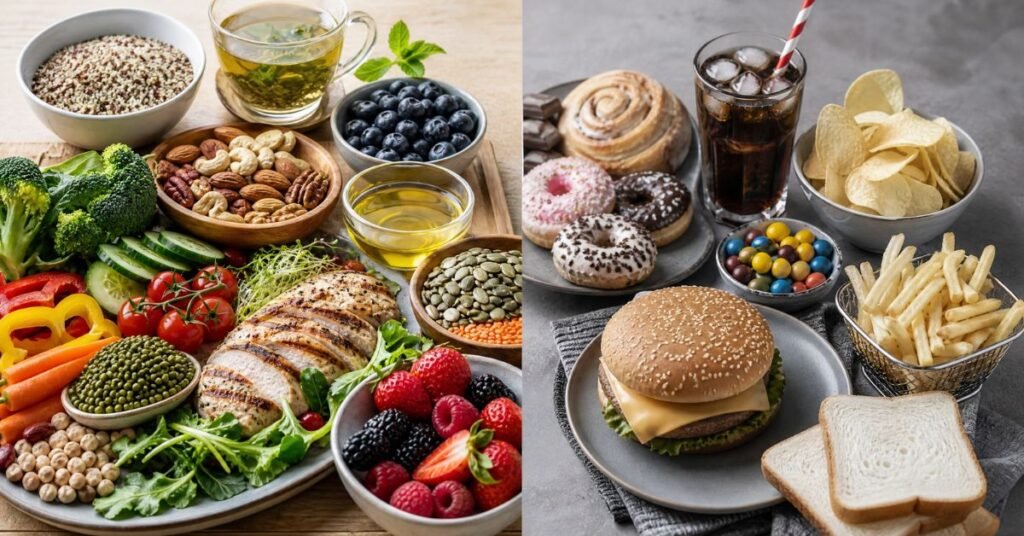
Foods to Limit or Avoid (And Why)
Managing PCOS isn’t about extreme restriction or fear-based eating. However, regularly consuming certain food categories can worsen insulin resistance, elevate androgen production, and trigger systemic inflammation.
┌────────────────────────────────────────────────────────┐
│             Foods That Exacerbate PCOS                 │
├────────────────────────────────────────────────────────┤
│  • Refined Sugars & Liquid Fructose                    │
│  • Refined Carbohydrates (White Flour, Pastas, Bakery) │
│  • Industrial Seed Oils High in Omega-6 Fats           │
│  • Trans Fats & Deep-Fried Foods                       │
│  • Excess Alcohol & High-Caffeine Energy Drinks        │
└────────────────────────────────────────────────────────┘
1. Sugary Beverages & Liquid Fructose
Sodas, sweetened coffees, commercial fruit juices, energy drinks, and flavored teas. Liquid sugar contains high amounts of unbound fructose and glucose that bypasses normal digestive breakdown, rapidly flooding the liver and bloodstream. Fructose is metabolized directly in the liver, where it triggers de novo lipogenesis (fat synthesis), driving non-alcoholic fatty liver disease (NAFLD) and immediate spikes in circulating insulin.
2. Refined Carbohydrates & Ultra-Processed Foods
White bread, white rice, conventional pastries, sugary cereals, crackers, and instant noodles.
Processing strips grains of their germ and bran layers, removing dietary fiber, minerals, and vitamins. These refined starches break down almost instantly into simple glucose, causing blood sugar spikes and compensatory hyperinsulinemia that triggers ovarian androgen synthesis.
3. Trans Fats and Industrial Seed Oils High in Omega-6
- The Culprits: Margarine, commercial baked goods, deep-fried fast foods, corn oil, soybean oil, and cottonseed oil.
- The Mechanism: Industrial trans fats and highly refined omega-6 seed oils increase the ratio of omega-6 to omega-3 fatty acids in cellular membranes. An elevated omega-6 ratio provides the precursor substrates (arachidonic acid) for pro-inflammatory prostaglandins and leukotrienes, exacerbating systemic low-grade inflammation.
4. Nuanced Perspectives: Dairy & Gluten
- Gluten: There is no universal medical requirement for every woman with PCOS to eliminate gluten unless diagnosed with Celiac disease or non-celiac gluten sensitivity. However, processed gluten-containing products (white bread, baked pastries) are refined carbs that spike blood sugar. Focus on whole, naturally gluten-free grains like quinoa, buckwheat, and wild rice.
- Dairy: Conventional dairy contains Insulin-like Growth Factor 1 (IGF-1), which can stimulate androgen receptors and potentially worsen hormonal acne in susceptible individuals. However, unsweetened fermented dairy (like Greek yogurt or kefir) is often well-tolerated and provides beneficial probiotics and protein. Experiment for 3–4 weeks to observe how your skin and digestion react.
7-Day PCOS Meal Plan (Low-GI & Anti-Inflammatory)
This sample PCOS meal plan is designed to provide steady energy, eliminate afternoon crashes, optimize insulin sensitivity, and supply essential micronutrients. Every meal pairs high-fiber carbohydrates with quality protein and healthy fats.
Day 1
- Breakfast: 3 scrambled eggs with 1 cup sautéed spinach and cherry tomatoes, cooked in 1 tsp olive oil, served with 1/2 sliced avocado. Spearmint tea.
- Mid-Morning Snack: 1 small apple sliced with 1 tbsp almond butter.
- Lunch: Mediterranean Quinoa Bowl: 1/2 cup cooked quinoa, 1/2 cup grilled chicken breast, cucumbers, kalamata olives, diced tomatoes, and 1 tbsp extra virgin olive oil.
- Afternoon Snack: 1/4 cup raw pumpkin seeds.
- Dinner: 5 oz baked wild salmon served over 1.5 cups roasted broccoli and cauliflower florets with garlic and olive oil.
Day 2
- Breakfast: PCOS Power Bowl: 3/4 cup plain unsweetened Greek yogurt topped with 1/2 cup fresh raspberries, 2 tbsp ground flaxseed, and 1 tbsp chopped walnuts.
- Mid-Morning Snack: 1 hard-boiled egg with a dash of black pepper and sea salt.
- Lunch: Lentil & Vegetable Soup: 1 cup cooked green lentils, carrots, celery, kale, and vegetable broth, served with a small side salad drizzled with olive oil.
- Afternoon Snack: Celery sticks paired with 2 tbsp homemade hummus.
- Dinner: Ground turkey stir-fry cooked with bell peppers, snap peas, and zucchini noodles, seasoned with tamari, ginger, and garlic.
Day 3
- Breakfast: Cinnamon Chia Pudding: 3 tbsp chia seeds soaked overnight in 1 cup unsweetened almond milk, topped with 1/2 tsp Ceylon cinnamon, 1/3 cup blueberries, and 1 tbsp pumpkin seeds.
- Mid-Morning Snack: 1/2 cup sliced cucumber and bell pepper with 2 tbsp guacamole.
- Lunch: Wild Tuna Salad: 1 can pole-caught wild tuna mixed with 1 tbsp avocado oil mayonnaise, served inside 2 large romaine lettuce boats with sliced cherry tomatoes.
- Afternoon Snack: 1 cup unsweetened kefir or 1 cup spearmint iced tea with 10 raw almonds.
- Dinner: 5 oz grilled chicken breast paired with 1/2 cup roasted sweet potato cubes and 1.5 cups steamed green beans with 1 tbsp extra virgin olive oil.
Day 4
- Breakfast: Smashed Avocado Toast: 1 slice 100% sprouted whole-grain bread topped with 1/2 smashed avocado, 2 poached eggs, and a sprinkle of hemp seeds.
- Mid-Morning Snack: 1 small pear paired with a small handful of raw walnuts.
- Lunch: Chickpea & Avocado Power Salad: 1/2 cup rinsed chickpeas, 2 cups mixed baby greens, 1/4 avocado, pumpkin seeds, and lemon-tahini dressing.
- Afternoon Snack: 1 square (1 oz) dark chocolate (85%+) with 1 cup hot spearmint tea.
- Dinner: Baked Cod or Mackerel served alongside 1 cup sautéed Swiss chard with garlic, and 1/2 cup cooked buckwheat or quinoa.
Day 5
- Breakfast: High-Protein Anti-Inflammatory Smoothie: 1 scoop pea protein powder, 1 cup fresh spinach, 1/2 cup frozen wild blueberries, 1 tbsp chia seeds, 1/2 tsp cinnamon, and 1.25 cups water or unsweetened coconut milk.
- Mid-Morning Snack: 2 small clementines paired with a hard-boiled egg.
- Lunch: Leftover Turkey & Veggie Stir-Fry over 1/2 cup cauliflower rice or brown rice.
- Afternoon Snack: 1/4 cup roasted edamame or sea-salted chickpeas.
- Dinner: Grass-fed beef or bison meatballs served over zucchini noodles with unsweetened marinara sauce and a large green garden salad with olive oil.
Day 6
- Breakfast: 3-Egg Veggie Omelet loaded with diced mushrooms, bell peppers, onions, and spinach, cooked in 1 tsp ghee or olive oil.
- Mid-Morning Snack: 3/4 cup plain Greek yogurt sprinkled with cinnamon.
- Lunch: Salmon Salad Bowl: Canned wild salmon, arugula, cucumber, radishes, sliced almonds, and olive oil vinaigrette.
- Afternoon Snack: Sliced bell peppers with 2 tbsp olive oil tapenade.
- Dinner: Baked Tofu or Chicken Kebabs with red onion, zucchini, and cherry tomatoes, served with 1/2 cup cooked quinoa.
Day 7
- Breakfast: Savory Buckwheat Porridge: 1/2 cup cooked buckwheat groats topped with 1 fried egg, 1/4 avocado, sautéed kale, and a dash of tamari.
- Mid-Morning Snack: 1 cup fresh raspberries with 1 tbsp pumpkin seeds.
- Lunch: Grilled Chicken Caesar Salad (using Greek yogurt-based Caesar dressing) served in a spinach wrap or salad bowl.
- Afternoon Snack: Celery sticks with 1 tbsp natural sunflower seed butter.
- Dinner: Slow-cooked beef or lentil chili loaded with tomatoes, black beans, onions, and spices, topped with fresh cilantro and avocado slices.
Lifestyle Habits That Support Hormonal Balance
While PCOS nutrition is pivotal, diet works synergistically with other core lifestyle factors. Address these pillars alongside your nutrition plan to maximize your hormonal results.
┌─────────────────────────────────────────────────────────┐
│        Essential Non-Dietary PCOS Pillars               │
├─────────────────────────────────────────────────────────┤
│  1. Circadian Sleep Hygiene (7–9 hours nightly)         │
│  2. Resistance & Strength Training (Builds GLUT-4)     │
│  3. Stress Management & HPA Axis Balancing              │
│  4. Target Supplementation (Inositol, Vitamin D, Zinc)  │
└─────────────────────────────────────────────────────────┘
1. Sleep Hygiene & Circadian Alignment
Sleep deprivation elevates cortisol, the body’s primary stress hormone. Elevated cortisol exacerbates insulin resistance, increases craving for refined carbohydrates, and disrupts LH/FSH secretion. Aim for 7–9 hours of quality sleep every night. Maintain a consistent bedtime and limit blue light exposure 60 minutes before sleep.
2. Resistance Training Over Excessive Cardio
While movement is essential, high-intensity endurance cardio can sometimes elevate cortisol levels excessively in women with adrenal PCOS. Prioritize strength training, resistance exercises, and low-impact movement (walking, Pilates, yoga). Building lean skeletal muscle increases the expression of GLUT-4 transporters, allowing your muscle tissue to clear glucose from the blood without requiring excess insulin.
3. Stress & HPA Axis Management
Chronic emotional or physical stress triggers the hypothalamic-pituitary-adrenal (HPA) axis, resulting in elevated DHEA-S (an adrenal androgen) and cortisol. Incorporate daily nervous system regulation techniques, such as breathwork, nature walks, or meditation.
4. Evidence-Based Supplementation
Always consult your healthcare provider before beginning any supplement regimen. The most clinically validated supplements for PCOS include:
- Myo-Inositol & D-Chiro-Inositol (40:1 ratio): Restores cellular insulin signaling, supports ovulatory function, and improves egg quality.
- Vitamin D3 with K2: Corrects deficiencies common in women with PCOS, lowering insulin resistance and supporting ovarian follicular maturation.
- Omega-3 Fatty Acids (EPA/DHA): Reduces systemic inflammation and serum triglycerides.
- Magnesium Glycinate: Improves insulin sensitivity, promotes muscle recovery, and calms the nervous system.
Common Nutrition Mistakes in PCOS Management
Even with the best intentions, it’s easy to fall into traps that hinder your progress. Avoid these frequent mistakes:
- Going Extremely Low-Carb or Keto Crash Dieting: Eliminating all carbohydrates can cause a surge in cortisol and thyroid suppression, leading to amenorrhea (loss of periods). Choose complex, fiber-rich carbs over strict elimination.
- Fearing Healthy Fats: Fearing fat often leads to overconsuming processed carbohydrates. Healthy fats like avocado, EVOO, and nuts are vital for hormone synthesis and steady blood sugar.
- Under-eating Protein at Breakfast: Eating a high-carb breakfast (like a bagel or sweetened smoothie) sets off a blood sugar roller-coaster for the rest of the day. Prioritize 25–30 grams of protein in your morning meal.
- Skipping Meals or Prolonged Fasting: Extended fasting can trigger a stress response in women with PCOS, causing liver glucose release and elevated cortisol. Aim for regular, balanced meals every 3 to 5 hours.
- Relying on Supplements Over Food Quality: Supplements are meant to supplement, not replace, a whole-food diet. No pill can overcome a foundation of ultra-processed food and chronic sleep deprivation.
Frequently Asked Questions (FAQs)
Can dietary changes completely cure PCOS?
No. PCOS is a genetic, lifelong endocrine and metabolic condition without a medical cure. However, evidence-based nutrition and lifestyle strategies can manage symptoms so effectively that many women experience regular ovulation, clear skin, steady energy, and sustainable weight management, essentially placing their PCOS into clinical remission.
What is the best breakfast for PCOS?
The best breakfast for PCOS contains a combination of high-quality protein (25–30 grams), healthy fats, and fiber-rich complex carbohydrates with minimal sugar. Examples include a 3-egg omelet with spinach and avocado, or plain Greek yogurt topped with chia seeds, walnuts, and berries.
Are carbohydrates bad if I have PCOS?
Not at all. You do not need to cut out carbohydrates completely. The key is choosing complex, low-glycemic, fiber-rich carbohydrates (like quinoa, lentils, berries, and sweet potatoes) and pairing them with protein and healthy fats to prevent sharp glucose spikes.
How long does it take to see results on a PCOS diet?
While improvements in energy levels, bloat, and blood sugar stability can occur within 1 to 2 weeks, significant hormonal shifts—such as cycle regulation, reduction in hair loss or acne, and changes in insulin sensitivity—typically take 3 to 6 months of consistent dietary modification.
Is coffee or caffeine safe for women with PCOS?
Moderate coffee consumption (1 cup daily) is fine for most women. However, if you have adrenal PCOS or experience anxiety, heart palpitations, or sleep disturbances, excess caffeine can elevate cortisol and exacerbate hormonal imbalances. Avoid drinking coffee on an empty stomach; consume it after a protein-rich breakfast.
Final Thoughts & Medical Disclaimer
Navigating PCOS requires patience, self-compassion, and an evidence-based approach tailored to your unique metabolic profile. Remember: managing PCOS is not about perfection; it is about consistency. By focusing on adding nutrient-dense, anti-inflammatory hormone balancing foods rather than fixating on restriction, you empower your body to heal from the inside out.
Medical Disclaimer: The content provided in this article is for educational and informational purposes only and is not intended as medical advice, diagnosis, or treatment. Always consult with a qualified healthcare professional, physician, or Registered Dietitian before making significant changes to your diet, exercise routine, or supplement regimen, especially if you take prescription medications or have underlying health conditions.