
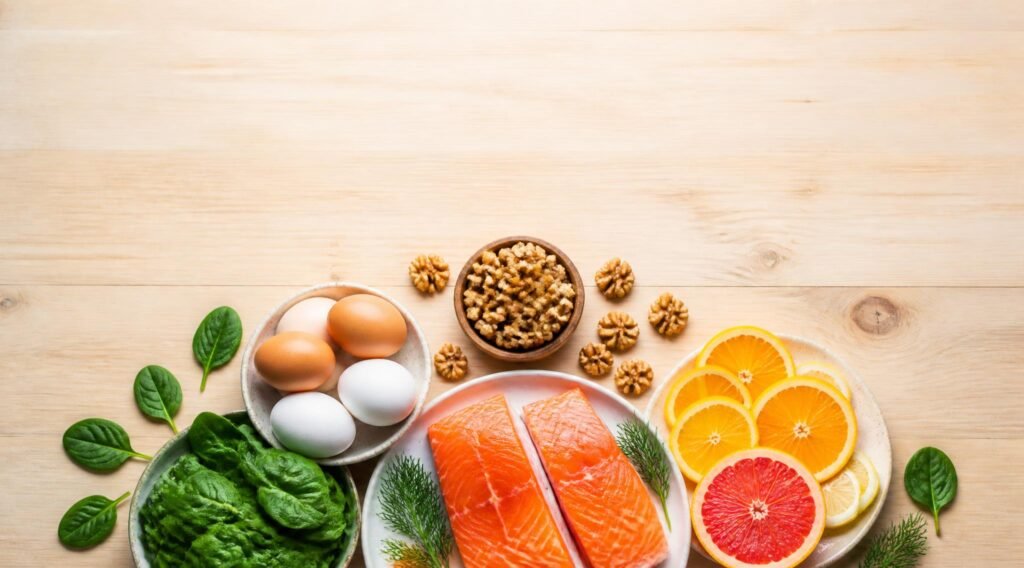
Did you know that hair is one of the last places your body sends nutrients when you’re deficient in something? That means visible hair thinning or slow growth is often one of the last signs of a nutrient gap — not the first.
If your hair feels thinner than it used to, or just won’t seem to grow past a certain point no matter what products you try, the real issue might be nutritional. Hair follicles are incredibly nutrient-hungry, and giving them the right building blocks can make a genuine difference over time.
In this guide, you’ll find 16 foods backed by nutrition science that support real hair growth and thickness — plus exactly why each one works and how to fit them into your daily meals. Let’s get into it.
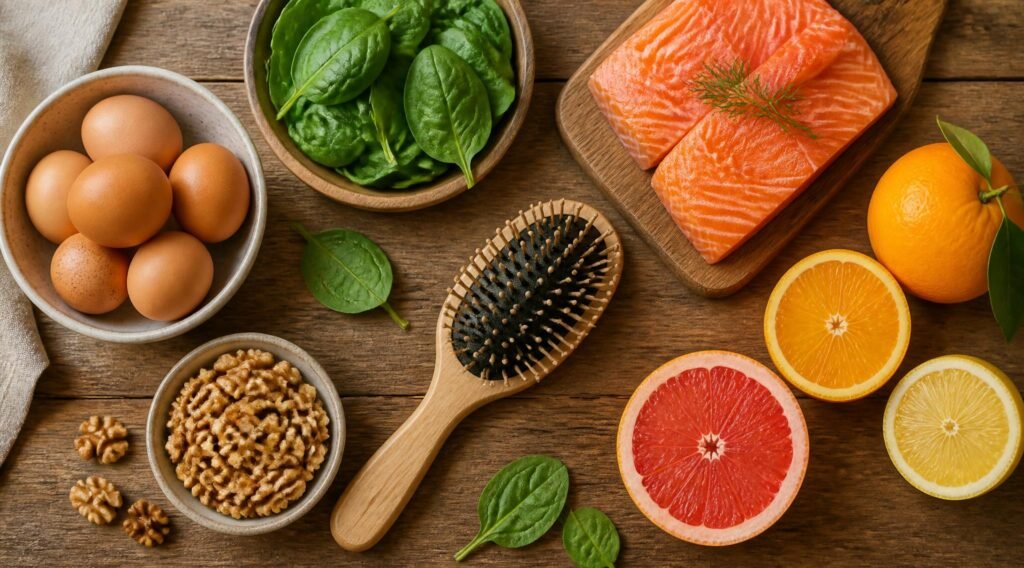
1. Eggs
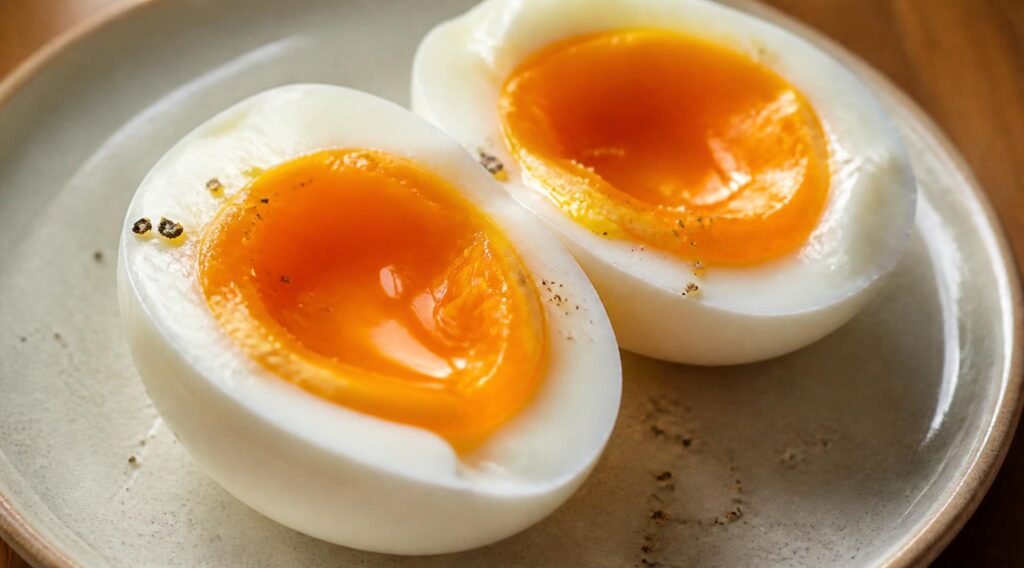
Eggs are rich in both protein and biotin, two nutrients essential for hair structure. Hair is made almost entirely of a protein called keratin, and biotin deficiency has been directly linked to hair loss in several studies.
Why it works: Without enough protein, your body can’t produce new hair follicle cells efficiently, which can lead to weaker, thinner strands over time.
2. Spinach
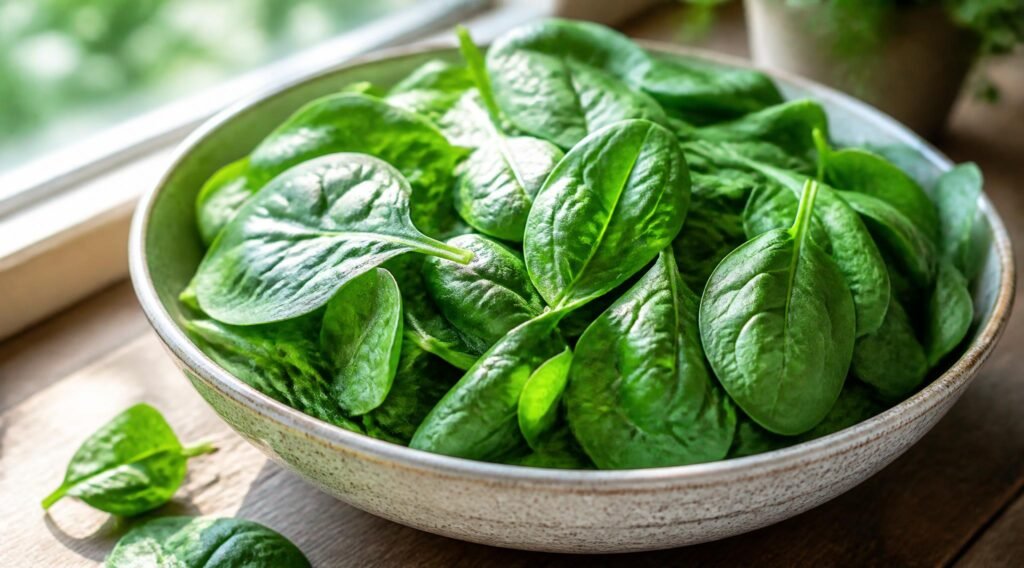
Spinach is rich in iron, folate, and vitamin A, all of which support healthy hair growth. Iron deficiency in particular is one of the most common nutritional causes of hair loss, especially in women. Our 16 Best Iron-Rich Foods to Fight Anemia and Fatigue guide covers this connection in more depth.
3. Fatty Fish (Salmon, Mackerel)
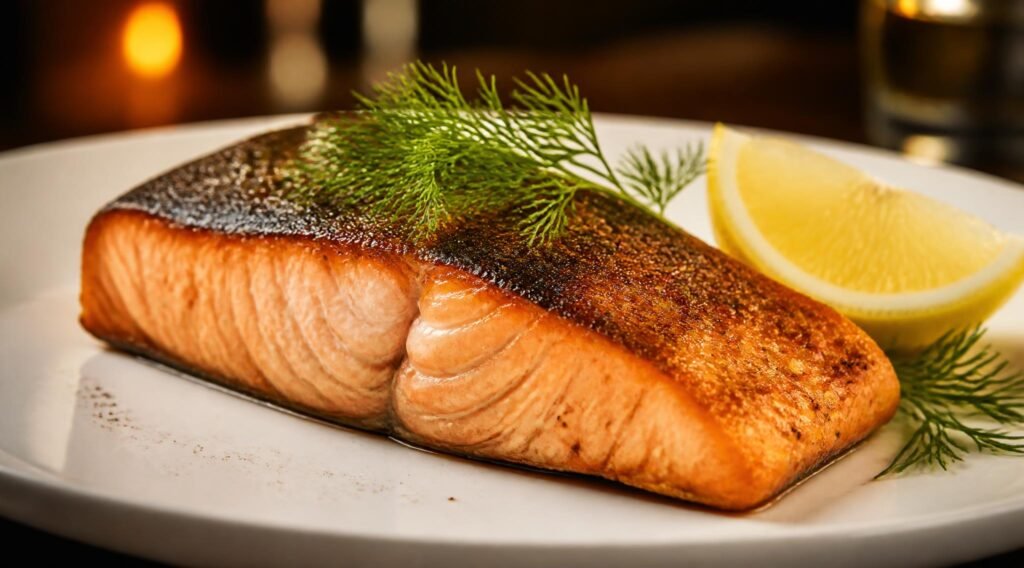
Fatty fish are packed with omega-3 fatty acids, which support scalp health by reducing inflammation and may help nourish hair follicles, contributing to thicker, shinier hair over time.
4. Sweet Potatoes
Sweet potatoes are rich in beta carotene, which your body converts into vitamin A — a nutrient essential for cell growth, including the rapid cell turnover needed for healthy hair growth. Vitamin A also plays a supporting role in our 16 Best Foods for Eye Health guide for similar reasons.
5. Avocados
Avocados are rich in healthy fats and vitamin E, an antioxidant that helps protect hair follicles from oxidative stress, which has been linked to hair thinning and premature graying in some studies.
6. Nuts (Walnuts, Almonds, Brazil Nuts)
Nuts are a great source of several nutrients tied to hair health, including biotin, vitamin E, zinc, and omega-3s. Brazil nuts in particular are extremely high in selenium, a mineral important for scalp health.
7. Seeds (Flaxseeds, Chia Seeds, Sunflower Seeds)
Seeds are rich in omega-3 and omega-6 fatty acids, along with vitamin E and zinc, all supporting a healthy scalp environment where hair can grow more effectively.
8. Sweet Peppers
Sweet peppers are one of the richest sources of vitamin C, which your body needs to produce collagen — a protein that strengthens the hair shaft and supports the structure surrounding hair follicles. Vitamin C’s role here overlaps closely with our 15 Best Collagen-Rich Foods for Firmer, Healthier Skin guide.
9. Oysters and Shellfish
Oysters are one of the richest natural sources of zinc, a mineral critical for hair tissue growth and repair. Zinc deficiency has been directly linked to hair loss and a dry, flaky scalp.
10. Greek Yogurt
Greek yogurt is high in protein and contains vitamin B5 (pantothenic acid), which supports blood flow to the scalp, potentially improving nutrient delivery to hair follicles.
11. Beans and Lentils
Beans are an excellent plant-based source of protein, iron, zinc, and biotin, making them a well-rounded hair-supporting food, especially valuable for anyone following a vegetarian or vegan diet.
12. Oats
Oats contain zinc, iron, and omega-6 fatty acids, along with fiber that supports overall nutrient absorption — indirectly benefiting hair health by improving how well your body uses the nutrients you eat.
13. Bell Peppers (Red and Yellow)
Beyond vitamin C, bell peppers contain silica, a trace mineral some research links to improved hair strength and thickness, though more research is still needed on this specific connection.
14. Citrus Fruits
Citrus fruits provide a strong dose of vitamin C, supporting both collagen production for hair strength and improved iron absorption from plant-based foods eaten in the same meal.
💡 Quick Tip: Pair citrus fruits or a squeeze of lemon with iron-rich plant foods like spinach or lentils — vitamin C significantly boosts how much iron your body actually absorbs.
15. Pumpkin Seeds
Pumpkin seeds are rich in zinc and also contain cucurbitacin, a compound some research suggests may help block an enzyme linked to hair thinning, though human research is still limited.
16. Chicken and Turkey
Lean poultry provides high-quality, easily absorbed protein along with iron and zinc — a combination that directly supports the structural building blocks your hair needs to grow.
Why Nutrient Deficiencies Show Up in Your Hair First
Hair follicles are some of the most metabolically active cells in your body, which also makes them some of the first to be deprioritized when your body is short on key nutrients. When you’re not getting enough protein, iron, zinc, or biotin, your body prioritizes sending those nutrients to vital organs first — hair growth gets pushed down the list.
This is why hair thinning often shows up months after a nutrient deficiency actually begins, and why it can take a similar amount of time — often 3 to 6 months — of consistent, nutrient-rich eating before you notice visible improvement. Hair growth happens in cycles, and any strand you see growing today was actually initiated by your follicle weeks or months ago.
Iron deficiency deserves particular attention here, since it’s one of the most common and most overlooked causes of diffuse hair thinning, especially in women of reproductive age. Vitamin C plays a supporting role by significantly improving how well your body absorbs iron from plant sources, which is why pairing iron-rich and vitamin C-rich foods together in the same meal is such an effective, simple strategy.
Common Hair-Growth Myths Worth Knowing
There’s a lot of conflicting advice out there about hair growth, so it helps to separate what’s actually supported by evidence from what’s just popular belief. One common myth is that cutting your hair frequently makes it grow faster — this simply isn’t true, since hair growth happens at the follicle level under your scalp, completely unrelated to trimming the ends.
Another frequent misconception is that oiling your scalp alone can dramatically speed up growth. While scalp massage and certain oils may improve circulation and reduce breakage, they can’t substitute for the internal nutrient supply your follicles actually need to produce new, healthy strands. This is exactly why nutrition tends to have a much bigger long-term impact than most topical products or routines.
It’s also worth knowing that rapid, dramatic hair loss is different from the slow thinning nutrition typically helps with. Sudden, patchy, or excessive shedding is worth discussing with a doctor, since it can point to conditions like thyroid imbalances, autoimmune issues, or significant stress events rather than simple nutrient gaps.
A Simple Hair-Supportive Day
Morning: Start with eggs and a side of sautéed spinach, or Greek yogurt topped with walnuts and a few berries.
Midday: Add sweet potatoes or bell peppers to lunch, paired with a lean protein source like chicken or lentils.
Afternoon: Snack on a small handful of pumpkin seeds or Brazil nuts instead of processed snacks.
Evening: Have salmon or another fatty fish 2-3 times a week, paired with a vitamin C-rich side like citrus or peppers to maximize nutrient absorption.
Beyond Diet: What Else Affects Hair Growth
While nutrition plays a major role, it’s worth knowing that hair growth is also influenced by factors like genetics, hormones, stress levels, and overall health conditions. Chronic stress in particular has been linked to a type of temporary hair shedding called telogen effluvium, which often resolves once the underlying stress is addressed — something covered in more depth in our 15 Best Foods for Anxiety and Stress Relief guide, since several of those foods overlap with hair-supportive nutrients too.
If you’re experiencing sudden or significant hair loss, it’s worth mentioning to a doctor, since it can sometimes signal an underlying health condition that diet alone won’t resolve — thyroid issues being one common example, which we cover in our Best Foods for Thyroid Health guide.
FAQ
How long does it take to see results from eating these foods? Because hair grows in cycles, most people need 3-6 months of consistent, nutrient-rich eating before noticing a real difference in thickness or growth rate.
Can diet alone fix hair loss? Diet can meaningfully help when hair loss is related to a nutrient deficiency, but other causes like genetics, hormonal changes, or medical conditions may require additional treatment. It’s worth talking to a doctor if hair loss is sudden or severe.
Is biotin supplementation better than eating biotin-rich foods? Unless you have a diagnosed deficiency, whole foods generally provide a safer, more balanced way to get biotin along with other supporting nutrients like protein and zinc that work together for hair health.
Can too much vitamin A actually harm hair growth? Yes, excessive vitamin A intake, usually from supplements rather than food, has actually been linked to hair loss in some cases. Getting vitamin A through foods like sweet potatoes is generally safer than high-dose supplements.
Does drinking more water help hair growth? Proper hydration supports overall cell function, including in hair follicles, so staying well-hydrated is a helpful complement to a nutrient-rich diet, though it isn’t a stand-alone fix for hair thinning.
Are there foods that can actually harm hair health? Diets very low in protein or overall calories can significantly impair hair growth, since your body deprioritizes hair when resources are limited. Excess sugar and highly processed foods may also contribute to inflammation that affects the scalp.
Conclusion
Thicker, healthier hair often starts with what’s on your plate, not just what’s in your shower. From protein-rich eggs and iron-packed spinach to zinc-loaded oysters and omega-3-rich salmon, these 16 foods give your hair follicles the real building blocks they need to grow.
Try this today: Pick 2-3 foods from this list you don’t already eat regularly — maybe pairing spinach with a squeeze of lemon, or adding pumpkin seeds as an afternoon snack — and stay consistent for a few months to see real results.
If stress has also been a factor in your hair thinning, our guide on 15 Best Foods for Anxiety and Stress Relief pairs well with the changes in this list.