
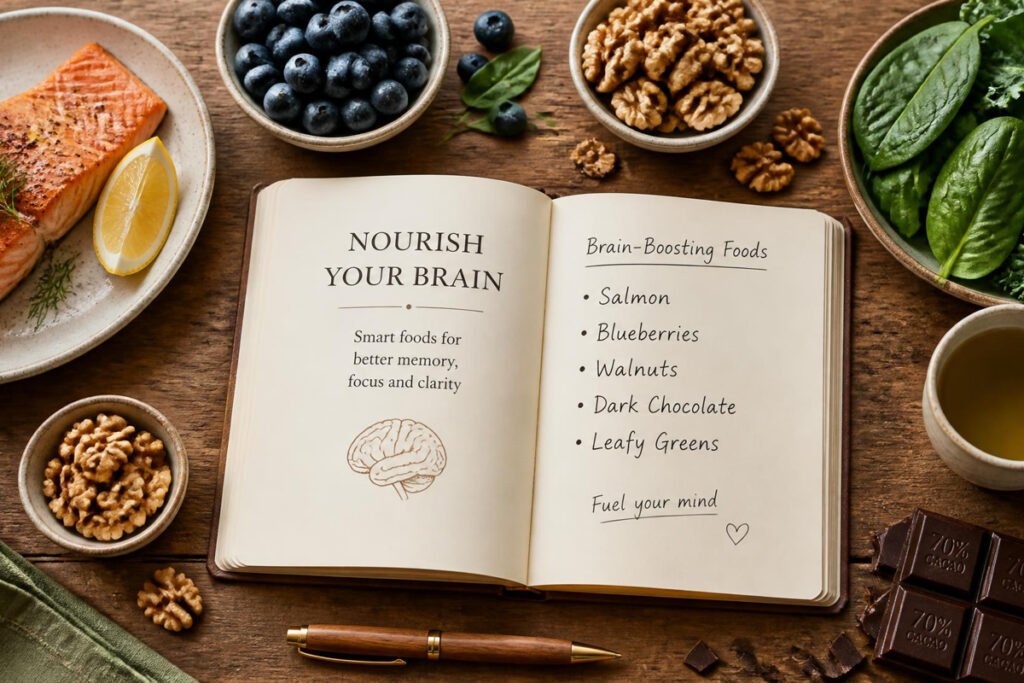
Did you know your brain uses roughly 20% of your body’s total energy, despite making up only about 2% of your body weight? That means what you eat has an outsized effect on how sharp, focused, and clear-headed you feel every single day.
If you’ve noticed more “brain fog,” trouble concentrating, or forgetfulness creeping in, the cause is often nutritional before it’s anything else. Certain foods provide the specific fats, antioxidants, and vitamins your brain cells need to communicate efficiently and stay protected from age-related decline.
In this guide, you’ll find 17 foods backed by nutrition science that genuinely support memory and brain function — plus exactly why each one works and how to fit them into your daily routine. Let’s get into it.
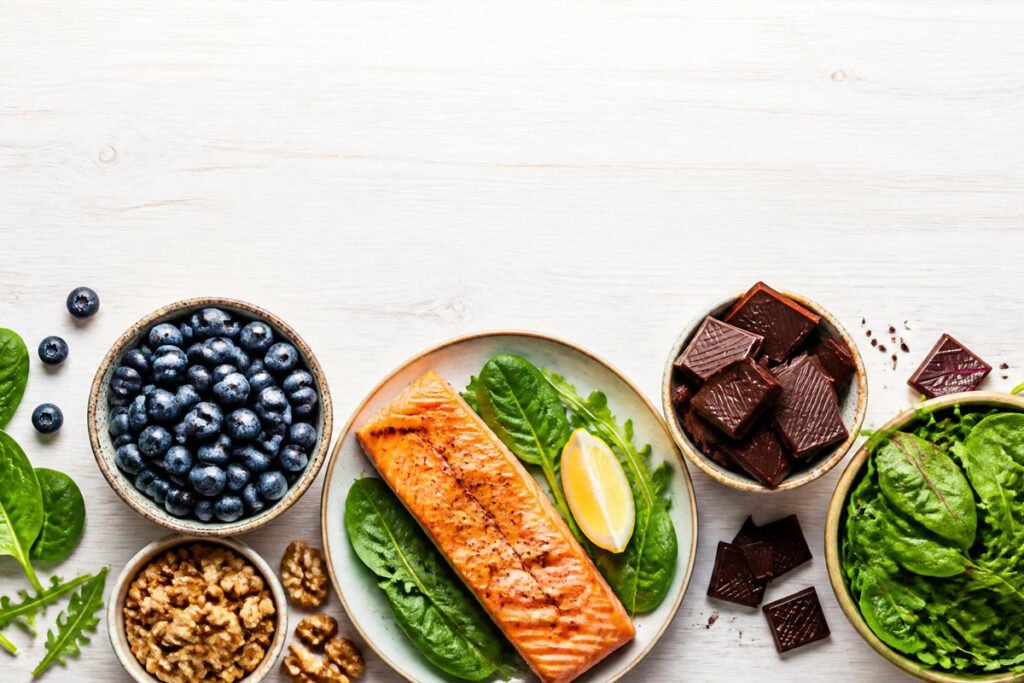
1. Fatty Fish (Salmon, Sardines, Mackerel)
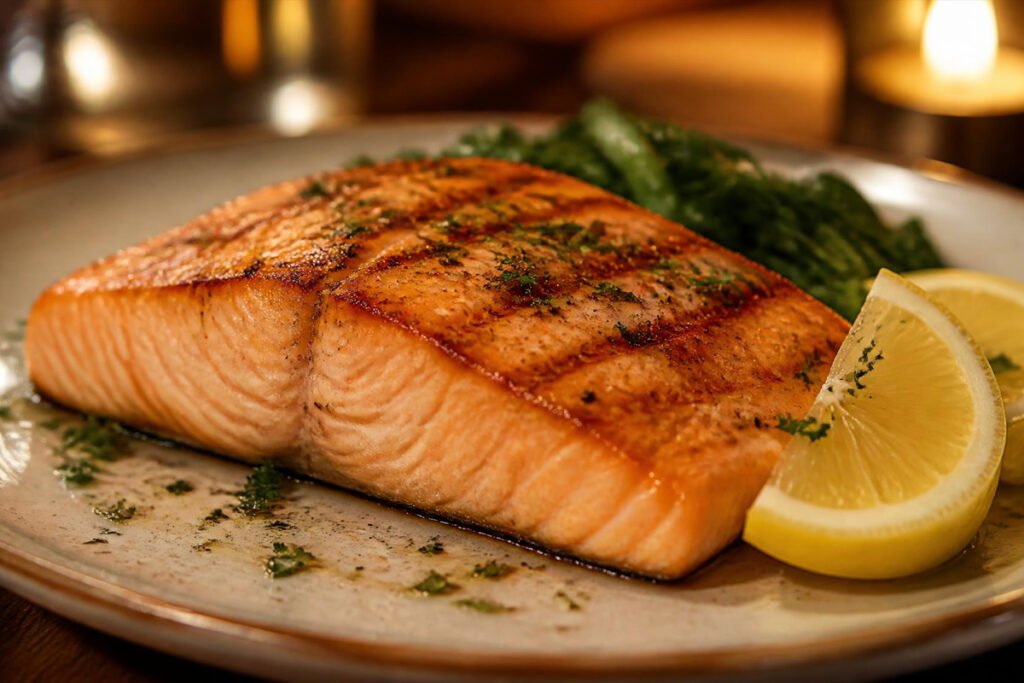
Fatty fish are among the richest sources of omega-3 fatty acids, particularly DHA, which makes up a significant portion of your brain’s structure. Higher omega-3 intake has been linked to better memory and slower age-related cognitive decline.
Why it works: DHA is a core building block of brain cell membranes, directly affecting how efficiently neurons communicate with each other.
2. Blueberries
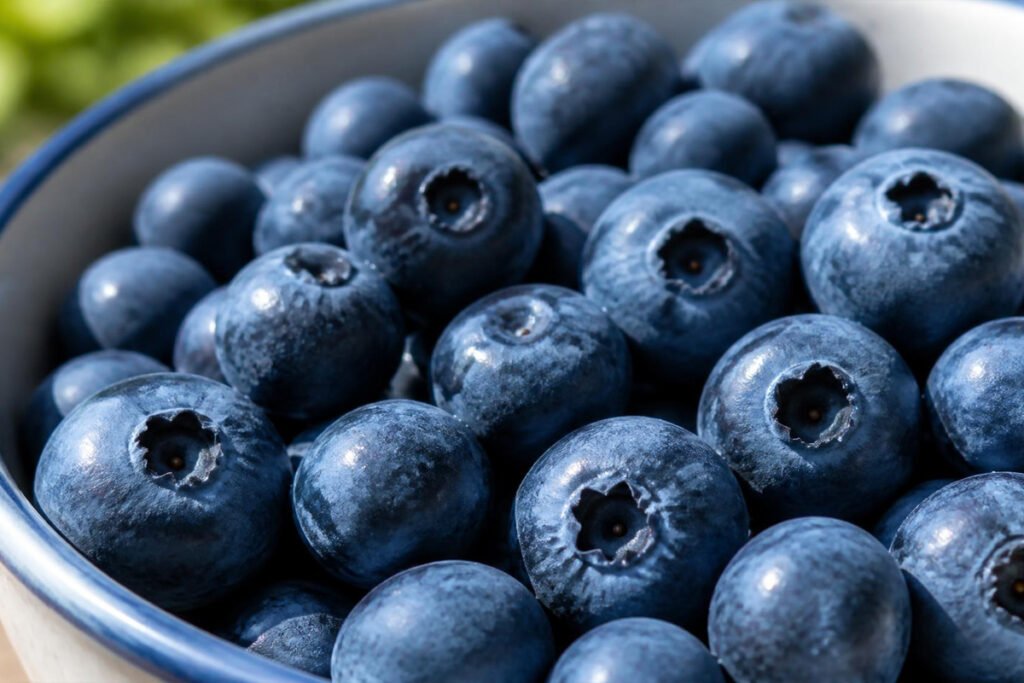
Blueberries are rich in anthocyanins, antioxidants that may help delay brain aging and improve communication between brain cells. Some studies link regular blueberry consumption to improved memory in both younger and older adults.
3. Turmeric
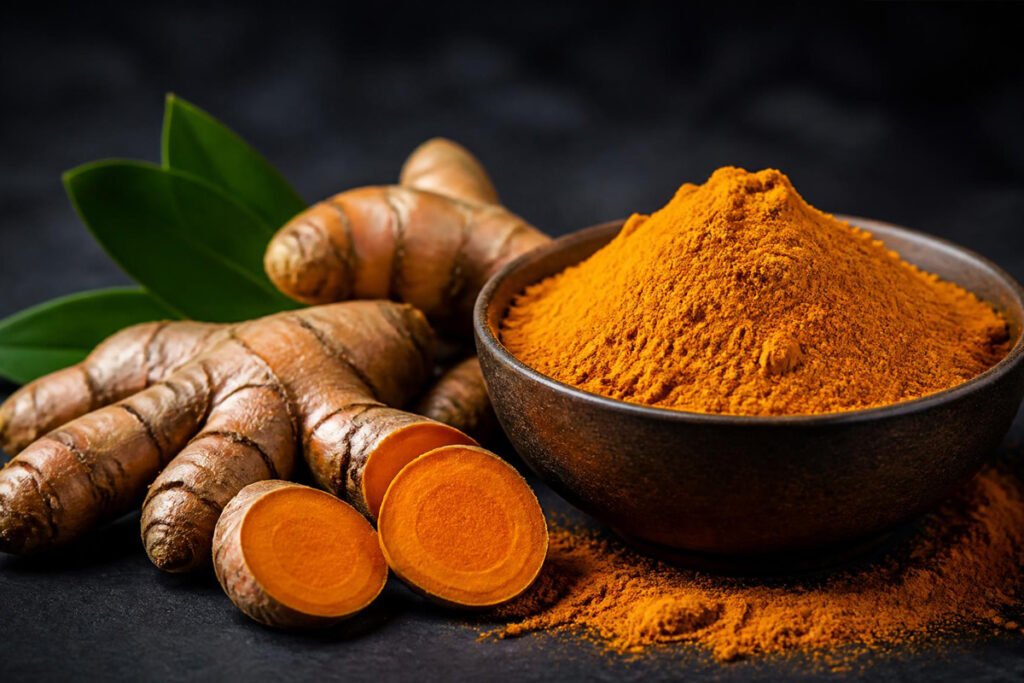
Turmeric’s active compound, curcumin, can cross the blood-brain barrier, meaning it can directly enter the brain where research suggests it may benefit memory and encourage the growth of new brain cells.
4. Broccoli
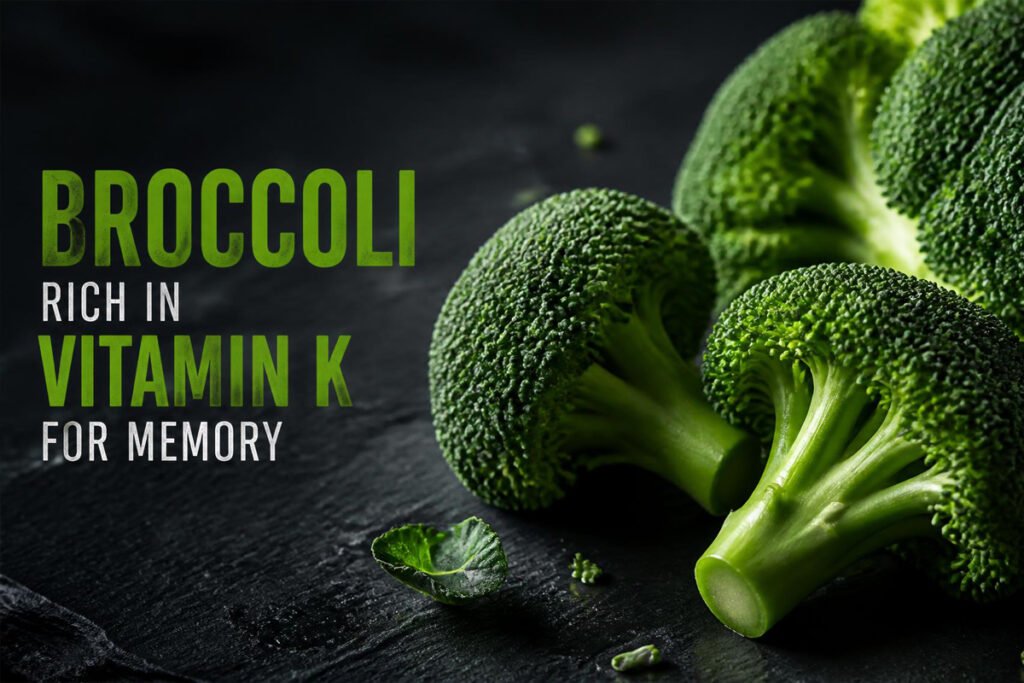
Broccoli is rich in antioxidants and vitamin K, a nutrient linked to better memory performance. It also contains compounds that support the brain’s protection against oxidative damage over time.
5. Pumpkin Seeds
Pumpkin seeds contain antioxidants along with zinc, magnesium, copper, and iron — a combination of minerals your brain needs for nerve signaling, learning, and memory formation.
6. Dark Chocolate
Dark chocolate contains flavonoids, caffeine, and antioxidants, all of which have been linked in research to improved memory and slower age-related mental decline. Choose varieties with at least 70% cocoa for the most benefit.
💡 Quick Tip: Pair a small square of dark chocolate with berries for a combined antioxidant boost that also satisfies a sweet craving.
7. Nuts (Walnuts, Almonds)
Nuts contain healthy fats, antioxidants, and vitamin E, a nutrient linked to reduced cognitive decline as people age. Walnuts specifically also provide omega-3s similar to those found in fish.
8. Oranges and Citrus Fruits
A single orange provides essentially your entire daily requirement of vitamin C, an antioxidant essential for preventing mental decline. Vitamin C also plays a supporting role in our 16 Best Foods for Eye Health guide for similar protective reasons.
9. Eggs
Eggs are an excellent source of choline, a nutrient your body uses to produce acetylcholine, a neurotransmitter that helps regulate memory and mood. Most people don’t get enough choline through diet alone.
10. Green Tea
Green tea contains caffeine and L-theanine, a combination shown to improve brain function, including memory and focus. L-theanine can also cross the blood-brain barrier and increase calming brain wave activity.
11. Spinach and Leafy Greens
Leafy greens are rich in vitamin K, lutein, folate, and beta carotene, nutrients associated in research with slower rates of cognitive decline. Regularly eating leafy greens has been linked to a brain that functions as if it were younger than its actual age.
12. Whole Grains
Whole grains provide a steady, slow-releasing source of glucose, your brain’s primary fuel source, helping maintain stable energy and focus throughout the day rather than the crashes associated with refined carbs.
13. Avocados
Avocados are rich in monounsaturated fats, which support healthy blood flow — and good blood flow means better oxygen and nutrient delivery to your brain, directly supporting cognitive performance.
14. Beets
Beets are rich in natural nitrates, which your body converts into nitric oxide, a compound that helps widen blood vessels and improve blood flow to the brain, potentially enhancing mental performance during tasks that require focus.
15. Coffee
Coffee’s caffeine content has been shown to improve alertness, mood, and concentration in the short term. Long-term coffee consumption has also been associated with a reduced risk of neurodegenerative conditions in several studies.
16. Tomatoes
Tomatoes are rich in lycopene, a powerful antioxidant that may help protect brain cells from the kind of oxidative damage linked to conditions like dementia and Alzheimer’s disease.
17. Rosemary and Herbs
Certain herbs, particularly rosemary, contain compounds studied for their potential to protect against neuron damage and support memory. Even the scent of rosemary has been linked in small studies to modest improvements in memory performance.
How Your Brain Actually Uses These Nutrients
Your brain’s cells communicate through electrical and chemical signals, and both processes depend heavily on nutrition. Omega-3 fatty acids, particularly DHA, form a major structural component of the membranes surrounding brain cells — better membrane quality means faster, more efficient signaling between neurons, which translates directly into sharper memory and quicker thinking.
Antioxidants play a different but equally important role. Your brain is especially vulnerable to oxidative stress because of how much oxygen it consumes relative to its size. Left unmanaged, this oxidative damage accumulates over time and is strongly linked to age-related cognitive decline. Foods rich in antioxidants — like berries, dark chocolate, and leafy greens — help neutralize this damage before it builds up.
Blood flow matters just as much as the nutrients themselves. Foods like beets and avocados that support healthy circulation ensure that oxygen and nutrients actually reach your brain efficiently, which is part of why cardiovascular health and brain health are so closely linked in research — the same foods that protect your heart tend to protect your brain too, as covered in our 17 Best Foods to Lower Blood Pressure Naturally guide.
Building Brain-Healthy Habits Beyond Food
Nutrition sets the foundation, but a few supporting habits meaningfully amplify the benefits of these foods. Quality sleep is one of the most important — during deep sleep, your brain actively clears out waste proteins that build up during waking hours, a process closely linked to long-term memory consolidation and reduced risk of cognitive decline.
Regular physical activity also plays a significant role, since exercise increases blood flow to the brain and has been shown to stimulate the growth of new neurons, particularly in the hippocampus, the brain region most associated with memory formation. Even moderate activity like brisk walking a few times a week shows measurable cognitive benefits in research.
Mental stimulation matters too — learning new skills, reading, or engaging in complex problem-solving helps build what researchers call “cognitive reserve,” essentially a buffer that helps your brain remain resilient even as some age-related changes naturally occur. Combined with a nutrient-rich diet, these habits create a much stronger overall effect than nutrition alone.
A Simple Brain-Boosting Day
Morning: Start with eggs and a side of spinach, or oatmeal topped with walnuts and blueberries.
Midday: Add leafy greens or broccoli to lunch, paired with a source of healthy fat like avocado.
Afternoon: Snack on a small square of dark chocolate or a handful of pumpkin seeds instead of processed snacks.
Evening: Have salmon or another fatty fish 2-3 times a week, and finish the day with a cup of green tea instead of a late coffee.
The Gut-Brain Connection Worth Knowing
Emerging research increasingly points to a strong connection between gut health and brain function, often called the gut-brain axis. Your gut produces a significant portion of your body’s serotonin, a neurotransmitter tied closely to mood and, indirectly, to memory and focus through its effect on stress and sleep quality.
This is part of why foods that support a healthy gut microbiome — like the ones covered in our 7 Best Probiotic Supplements for Gut Health guide — often show up as supportive for brain health too. A well-functioning gut appears to reduce systemic inflammation, which in turn may protect against the kind of chronic low-grade inflammation linked to cognitive decline over time.
FAQ
How long before I notice better memory or focus from eating these foods? Some effects, like the alertness from caffeine in coffee or green tea, are almost immediate. Longer-term benefits for memory and cognitive protection typically take several weeks to months of consistent eating to become noticeable.
Can these foods help prevent dementia or Alzheimer’s disease? While no food can guarantee prevention, diets rich in antioxidants, omega-3s, and anti-inflammatory foods are consistently associated with lower rates of cognitive decline in research. They’re best viewed as risk reduction, not guaranteed prevention.
Is caffeine actually good for brain function, or does it just mask fatigue? Caffeine genuinely improves alertness and short-term focus by blocking adenosine, a chemical that promotes drowsiness. Moderate intake is generally considered beneficial, though excessive amounts can cause jitteriness and disrupt sleep, which indirectly hurts memory.
Do brain-boosting supplements work as well as these foods? Most supplement studies show weaker or less consistent results compared to whole-food sources, likely because foods provide a combination of nutrients working together rather than an isolated compound.
Can kids benefit from eating these brain-boosting foods too? Yes, many of these foods, including eggs, fatty fish, and leafy greens, support healthy brain development in children and are commonly recommended by pediatric nutrition guidelines.
Does stress affect memory as much as diet does? Chronic stress can significantly impair memory and focus by elevating cortisol levels over time, which is part of why managing stress alongside eating well matters — our 15 Best Foods for Anxiety and Stress Relief guide covers this connection further.
Conclusion
A sharper memory and clearer focus often start with what’s on your plate. From omega-3-rich salmon and antioxidant-packed blueberries to choline-rich eggs and circulation-boosting beets, these 17 foods give your brain the real, science-backed support it needs to function at its best.
Try this today: Pick 2-3 foods from this list you don’t already eat regularly — maybe adding blueberries to your breakfast or swapping an afternoon snack for a small piece of dark chocolate — and stay consistent to see the benefits build over time.
If stress or poor sleep has also been affecting your focus, our guide on 15 Best Foods for Anxiety and Stress Relief pairs well with the changes in this list.
Pingback: 5 Best Foods to Improve Focus and Concentration: A Proven Guide | nutrieatss
Pingback: 5 Best Foods to Fight Brain Fog and Restore Mental Clarity: A Proven Guide | nutrieatss
Pingback: 15 Best Foods for Bone Health: A Proven Guide | nutrieatss