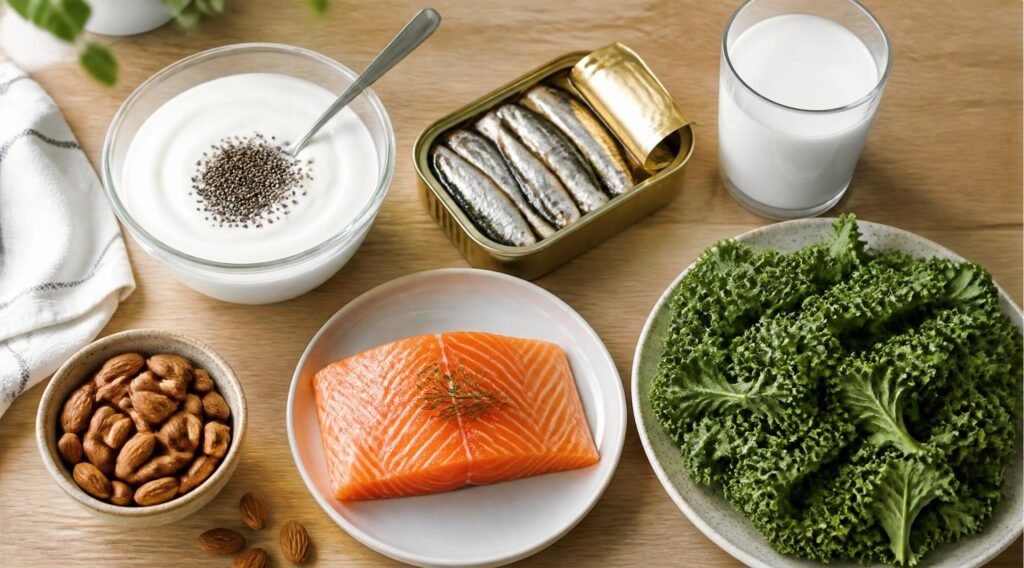
You can’t feel your bones weakening. There’s no ache and no warning sign, just a slow loss that most people only discover after a fracture or a bone-density scan. After about age 30, your body starts breaking down bone slightly faster than it builds it, and for women the pace picks up around menopause. The encouraging part is that diet is one of the few levers you fully control. Knowing the best foods for bone health can slow that loss and, in younger adults, build a bigger reserve for later.
The catch is that most advice stops at ‘drink more milk.’ Calcium matters, but bone is living tissue. It also needs vitamin D to absorb calcium, vitamin K to help direct it, magnesium and protein to build the structure, and a diet that doesn’t drain it back out. If you’ve already tried our anti-inflammatory meal plan for beginners, this guide shows how the same habits protect your skeleton. And because chronically high cortisol is linked to bone loss, stress management belongs in the picture too.
Below you’ll find 15 foods, what each one actually delivers, a comparison table, a simple daily routine, and the mistakes (like counting on spinach for calcium) that quietly undermine results.
Quick Answer
The best foods for bone health combine calcium, vitamin D, vitamin K, magnesium, and protein. For calcium, rely on yogurt, milk or fortified plant milks, canned fish with edible bones, calcium-set tofu, and cooked greens like collards and bok choy. For vitamin D, choose fatty fish, eggs, UV-exposed mushrooms, and fortified foods. Nuts, seeds, beans, and prunes round out magnesium, vitamin K, and plant compounds. Most adults need about 1,000 to 1,200 mg of calcium and 600 to 800 IU of vitamin D daily, according to the NIH. Spread calcium across the day, since absorption drops as a single dose grows, and pair your diet with weight-bearing exercise.
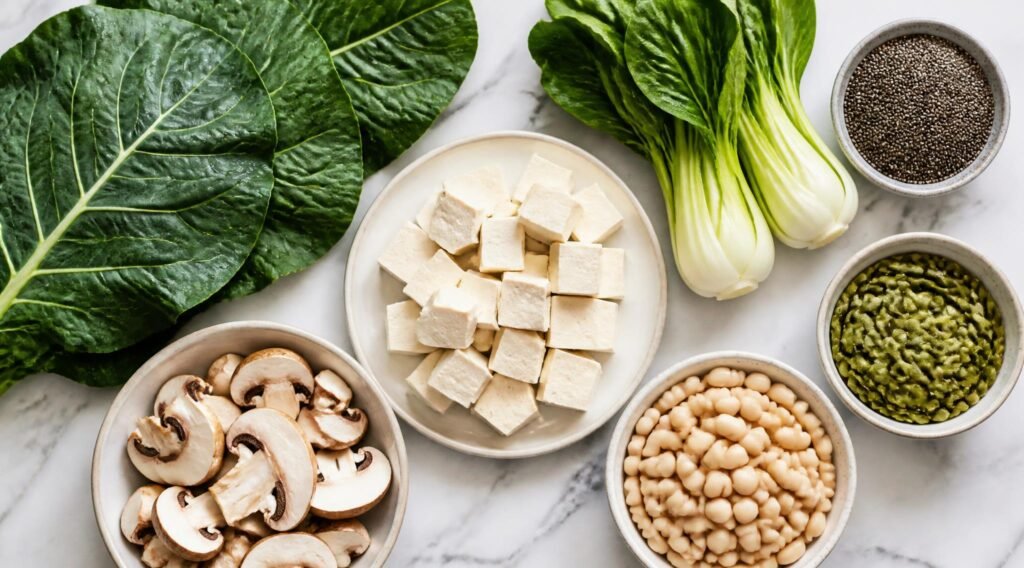
Table of Contents
- What Is Bone Health and How Does Diet Affect It?
- How to Choose the Right Foods for Bone Health
- The 15 Best Foods for Bone Health
- Comparison Table
- Best Bone-Health Foods for Different Life Stages
- How to Build a Bone-Healthy Day Step by Step
- Common Mistakes
- Expert Tips
- Final Verdict
- Frequently Asked Questions
What Is Bone Health and How Does Diet Affect It?
Bone health describes how dense, strong, and well-structured your skeleton is. Bone constantly renews itself: cells called osteoclasts break down old bone while osteoblasts build new bone. In childhood and young adulthood, building wins, and you reach peak bone mass around your late twenties. After that, the balance slowly tips. Osteoporosis develops when bone becomes porous and fragile enough that a minor fall can cause a fracture. Low bone density, called osteopenia, is the stage before it.
Diet feeds both sides of this process. About 99% of the calcium in your body is stored in bones and teeth, so when intake falls short, your body borrows from the skeleton to keep blood calcium steady. Protein supplies the framework, and collagen forms much of that framework, which is why protein and vitamin C matter alongside minerals. Hormones matter too: falling estrogen after menopause speeds bone loss, a topic we cover in our menopause diet guide.
Genetics, age, medications, smoking, alcohol, and exercise all play roles that food alone can’t fix. But nutrition is the foundation every other strategy sits on.
How to Choose the Right Foods for Bone Health
Ask yourself three questions before building your list:
- Do I eat dairy? If yes, yogurt and milk cover a big share of your calcium in a few servings. If not, lean on fortified plant milks, calcium-set tofu, canned fish with bones, and low-oxalate greens.
- How much sun and fish do I get? Vitamin D is hard to get from food alone. If you live far from the equator, cover up outdoors, have darker skin, or rarely eat fish, you may fall short even with a careful diet.
- What life stage am I in? Needs rise for women over 50 and for adults over 70, and teens are building the bone they’ll live on for decades.
Official targets help. The NIH Office of Dietary Supplements lists a calcium RDA of 1,000 mg for adults 19 to 50, rising to 1,200 mg for women over 50 and men over 70. Its vitamin D fact sheet lists 600 IU for most adults, rising to 800 IU after age 70. Food comes first, and supplements fill gaps, ideally with your doctor’s input.
The 15 Best Foods for Bone Health
Calcium and vitamin D amounts below are approximate and vary by brand and preparation, so check labels, especially on fortified products.
Calcium Powerhouses
1. Plain Yogurt
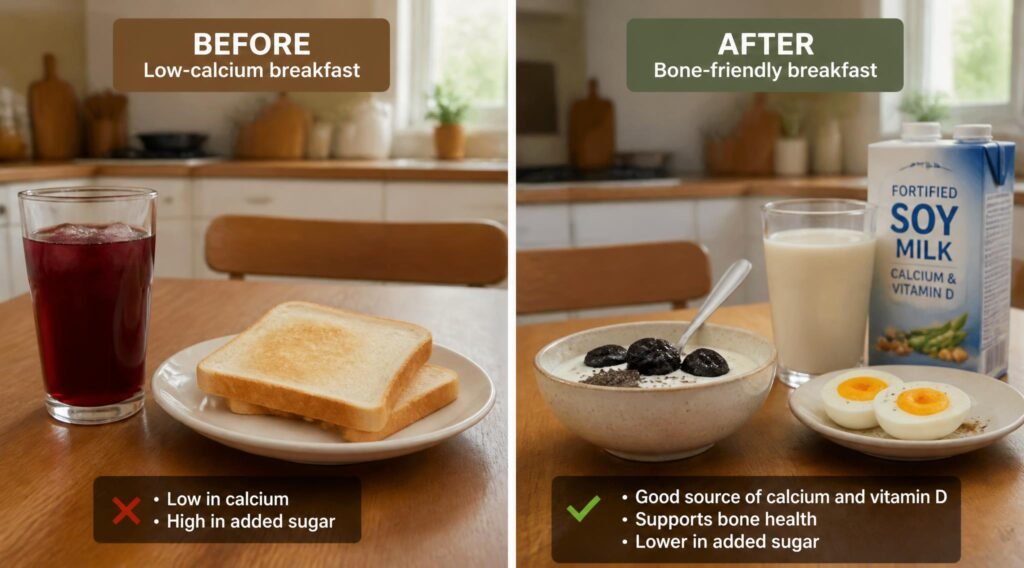
Overview: One cup of plain low-fat yogurt delivers roughly 400 mg of calcium, about a third of daily needs, plus protein and often live cultures. Best For: Breakfast, snacks, and anyone who tolerates dairy. Pros: ✅ Very high calcium ✅ Protein for bone structure ✅ Easy to eat daily Cons: ❌ Flavored versions carry lots of added sugar Our Verdict: The simplest single upgrade for most people. Top it with chia and berries, and see our guide to probiotic supplements for gut health if you want to go deeper on live cultures.
2. Milk and Fortified Plant Milks
Overview: A cup of cow’s milk provides about 300 mg of calcium and usually 100+ IU of added vitamin D. Fortified soy milk is comparable, while other plant milks vary widely. Best For: Cereal, smoothies, coffee, and dairy-free eaters. Pros: ✅ Calcium and vitamin D in one glass ✅ Plant options for lactose intolerance Cons: ❌ Unfortified almond, oat, and rice milks provide little calcium Our Verdict: Choose fortified versions and shake the carton, because calcium settles at the bottom. Vitamin D also supports your defenses, as our immunity foods guide explains.
3. Canned Sardines (With Bones)
Overview: The soft, edible bones make canned sardines one of the best non-dairy calcium sources, around 325 mg per 3-ounce serving, plus omega-3 fats and some vitamin D. Best For: Budget meals and high-protein lunches. Pros: ✅ Calcium, protein, and omega-3 together ✅ Cheap and shelf-stable Cons: ❌ Strong flavor ❌ Can be salty Our Verdict: Mash them onto toast with lemon. For more on omega-3s, read our omega-3 supplement review.
4. Canned Salmon (With Bones)
Overview: Canned salmon with bones gives about 180 mg of calcium per 3 ounces, along with vitamin D, protein, and omega-3 fats. It’s milder than sardines. Best For: Salmon patties, salads, and sandwiches. Pros: ✅ Mild flavor ✅ Calcium and vitamin D in one can Cons: ❌ Check sodium; low-sodium cans exist Our Verdict: A gentler gateway to bone-in fish. Buy the bone-in, skin-in cans.
5. Calcium-Set Tofu
Overview: Tofu made with calcium sulfate can provide about 250 mg of calcium per half cup, and it’s a complete plant protein. Check the ingredient list for calcium sulfate or calcium chloride. Best For: Vegans and dairy-free eaters. Pros: ✅ High plant calcium ✅ Versatile and protein-rich Cons: ❌ Calcium varies by brand ❌ Not for soy allergy Our Verdict: Excellent in stir-fries and scrambles, and a natural fit for a plant-forward plan like our 7-day Mediterranean meal plan.
6. Collard Greens and Bok Choy
Overview: Cooked collards supply roughly 250 mg of calcium per cup and bok choy about 150 mg. Both are low in oxalates, so the calcium absorbs well, and both are rich in vitamin K. Best For: Side dishes, soups, and stir-fries. Pros: ✅ Highly absorbable plant calcium ✅ Vitamin K Cons: ❌ Collards can taste bitter if undercooked Our Verdict: Sauté with garlic and olive oil. These greens also help with iron intake, which you can read about in our iron-rich foods guide.
7. Kale and Broccoli
Overview: Both offer modest calcium (roughly 50 to 100 mg per cooked cup) with good absorption, plus vitamin K and vitamin C, which supports collagen formation. Best For: Sheet-pan dinners, soups, and smoothies. Pros: ✅ Well-absorbed calcium ✅ Vitamins K and C Cons: ❌ Not a standalone calcium source Our Verdict: Valuable supporting players that round out any calcium-focused meal.
Vitamin D Sources
8. Salmon and Other Fatty Fish
Overview: A 3-ounce cooked serving of salmon can supply roughly 400 to 600 IU of vitamin D depending on the type, with wild generally higher than farmed. Trout and mackerel are also strong sources. Best For: Dinner twice a week. Pros: ✅ Top food source of vitamin D ✅ Omega-3 fats Cons: ❌ Cost ❌ Mercury limits apply for some species during pregnancy Our Verdict: Aim for two servings a week. It’s one of the few foods that can cover most of a day’s vitamin D in one meal.
9. Eggs
Overview: One large egg has about 40 to 45 IU of vitamin D, all in the yolk, plus high-quality protein and small amounts of vitamin K2. Best For: Breakfast and quick meals. Pros: ✅ Affordable ✅ Protein and vitamin D together Cons: ❌ Modest vitamin D per egg Our Verdict: A helpful supporter rather than a main source. Keep the yolk.
10. UV-Exposed Mushrooms
Overview: Mushrooms exposed to UV light make vitamin D2, and a half cup can provide several hundred IU. Ordinary unexposed mushrooms have very little. Best For: Vegetarians and vegans. Pros: ✅ One of the few plant sources of vitamin D ✅ Savory and versatile Cons: ❌ D2 may raise blood levels a bit less effectively than D3 ❌ Must be labeled UV-exposed Our Verdict: Look for ‘high in vitamin D’ or ‘UV-exposed’ on the package.
The Supporting Cast
11. Almonds, Chia, and Sesame Seeds
Overview: An ounce of almonds offers roughly 75 mg of calcium and chia nearly 180 mg, while sesame seeds and tahini are also rich. All provide magnesium and healthy fats. Best For: Snacks, oatmeal, and yogurt toppings. Pros: ✅ Portable ✅ Magnesium and fiber Cons: ❌ Calorie-dense ❌ Nut allergies Our Verdict: A tablespoon of chia in your yogurt quietly does real work.
12. Pumpkin Seeds
Overview: Pumpkin seeds provide roughly 150 mg of magnesium per ounce, plus zinc and vitamin K. Magnesium is part of bone structure and helps activate vitamin D. Best For: Salads and trail mix. Pros: ✅ Magnesium-dense ✅ Zinc Cons: ❌ Calorie-dense ❌ Salted versions add sodium Our Verdict: A small handful daily. If you’re weighing supplements, read our magnesium supplements guide first.
13. Beans and Lentils
Overview: White beans, lentils, and chickpeas bring plant protein, magnesium, potassium, and modest calcium (roughly 50 to 150 mg per cooked cup, depending on type). Soaking and cooking reduce phytates that bind minerals. Best For: Soups, salads, and budget meals. Pros: ✅ Cheap and filling ✅ Fiber that steadies blood sugar Cons: ❌ Phytates slightly reduce mineral absorption Our Verdict: Great everyday filler. Our insulin resistance foods guide covers legumes in more depth.
14. Prunes
Overview: Dried plums supply vitamin K, potassium, boron, and polyphenols. Small clinical trials in postmenopausal women found daily prunes helped preserve bone density, though more research is needed. Best For: Women after menopause and anyone wanting a sweet snack. Pros: ✅ Promising research ✅ Fiber Cons: ❌ Can loosen stools ❌ Natural sugars Our Verdict: Five or six a day is a typical study-sized serving. Encouraging, not magic.
15. Natto (and Other Vitamin K2 Foods)
Overview: Fermented soybeans are the richest food source of vitamin K2. Observational studies in Japan have linked higher natto intake with lower fracture risk, though those studies can’t prove cause. Smaller amounts of K2 appear in hard cheeses and egg yolks. Best For: Adventurous eaters. Pros: ✅ Vitamin K2 ✅ Fermented food Cons: ❌ Strong taste and texture ❌ Interacts with warfarin (see FAQ) Our Verdict: Optional but interesting. Try a small portion over rice.
Comparison Table
| Food (serving) | Best For | Calcium (approx.) | Vitamin D | Bonus Nutrient |
|---|---|---|---|---|
| Plain yogurt (1 cup) | Dairy eaters | ~400 mg | Low unless fortified | Protein |
| Fortified soy milk (1 cup) | Vegans | ~300 mg | ~100 IU (fortified) | Protein |
| Canned sardines (3 oz) | Budget, non-dairy | ~325 mg | Moderate | Omega-3 |
| Calcium-set tofu (½ cup) | Plant-based eaters | ~250 mg | Low unless fortified | Complete protein |
| Cooked collards (1 cup) | Greens lovers | ~250 mg | None | Vitamin K |
| Chia seeds (1 oz) | Easy add-ins | ~180 mg | None | Magnesium, fiber |
| Salmon (3 oz cooked) | Vitamin D | Low | ~400 to 600 IU | Omega-3 |
| UV-exposed mushrooms (½ cup) | Vegetarians | Low | Several hundred IU (D2) | Potassium |
| Pumpkin seeds (1 oz) | Magnesium | Low | None | Zinc |
| Natto (3 oz) | Vitamin K2 | Moderate | None | Vitamin K2 |
Best Bone-Health Foods for Different Life Stages
Women in Perimenopause and Menopause
Estrogen decline speeds bone loss, so a calcium target of 1,200 mg and adequate vitamin D matter more after 50. Prioritize yogurt, canned fish with bones, tofu, and prunes, and ask your doctor about a bone-density (DXA) scan. Hormone-related conditions also affect bone: our guides to PCOS and hormonal balance foods and thyroid health foods are worth a read, since an overactive thyroid or too much thyroid medication can speed bone loss.
Dairy-Free and Vegan Eaters
Build each meal around one reliable calcium source: fortified soy milk, calcium-set tofu, collards, bok choy, kale, chia, tahini, or white beans. Add UV-exposed mushrooms and consider a vitamin D supplement, because plant sources are limited. Vegan diets also need vitamin B12, which our B-complex vitamins guide covers.
Adults Over 50 (Especially Men Over 70)
Needs rise to 1,200 mg of calcium for women 51+ and men 71+, and 800 IU of vitamin D after 70. Appetite and absorption often decline with age, so favor nutrient-dense foods. Excess sodium increases calcium loss in urine, and our blood pressure foods guide shows practical low-sodium swaps. Include protein at every meal to protect muscle, which protects against falls.
How to Build a Bone-Healthy Day Step by Step
The Bone Health & Osteoporosis Foundation offers additional clinical guidance if you want to go further.
Step 1: Know Your Targets
Use the NIH numbers above. Tally calcium and vitamin D from labels for three typical days to see where you stand.
Step 2: Spread Calcium Across Meals
Absorption drops as the amount in a single sitting rises, so aim for roughly 300 to 500 mg per meal rather than one huge dose.
Step 3: Add Vitamin D
Eat fatty fish twice a week, use eggs and fortified milk, and add UV-exposed mushrooms. Ask your doctor about a vitamin D blood test.
Step 4: Add Protein, Vitamin K, and Magnesium
Include greens, beans, and seeds daily, and keep protein moderate and steady across meals.
Step 5: Move
Walking, stair climbing, dancing, and resistance training all signal bone to strengthen. Diet works best alongside load-bearing exercise.
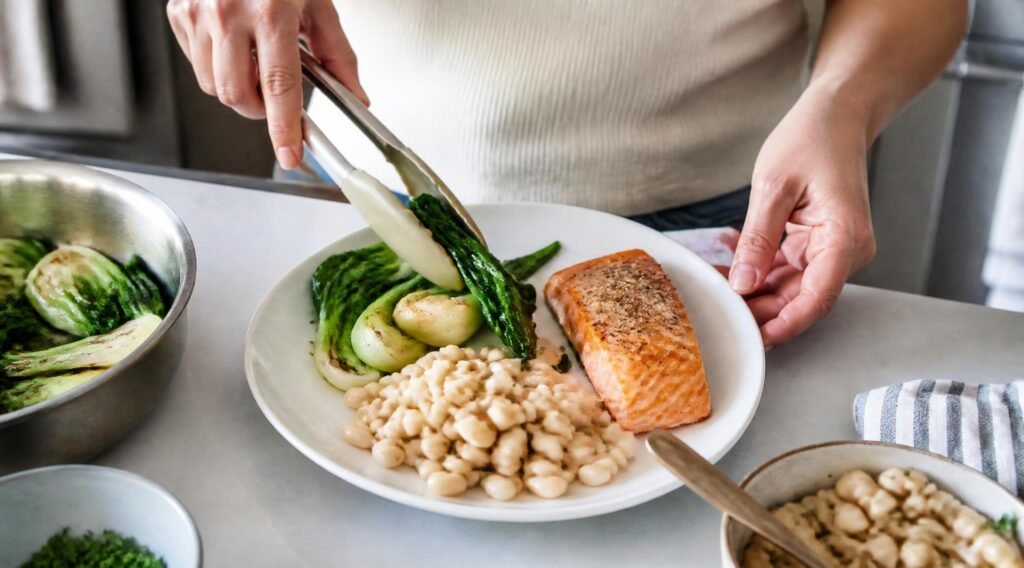
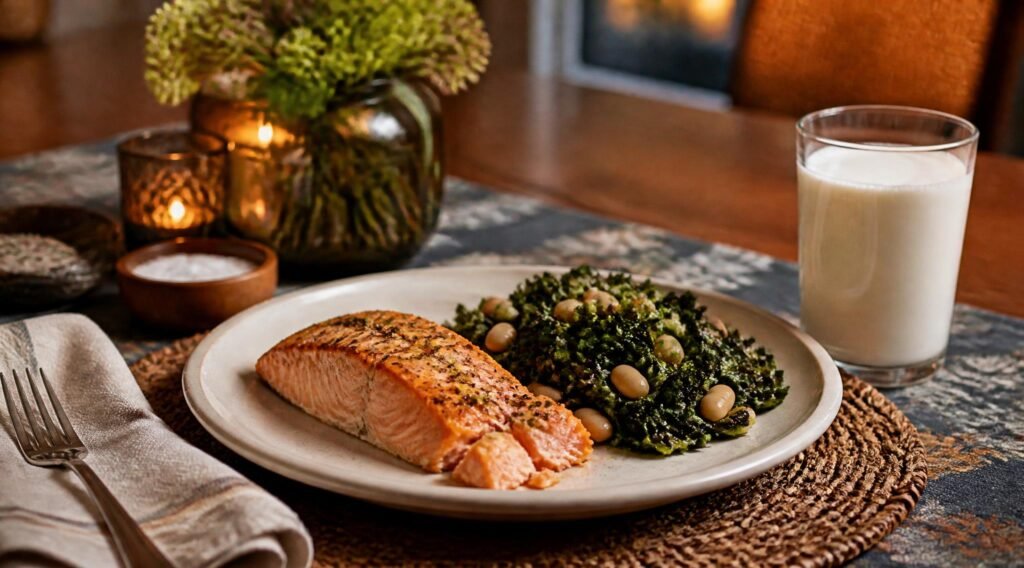
Sample day: Yogurt with chia and prunes; sardines on toast with sautéed bok choy; a fortified soy latte and pumpkin seeds; baked salmon with collards and white beans. That day lands well within reach of a 1,000 to 1,200 mg calcium target.
Common Mistakes
1. Counting spinach as a calcium source. Spinach looks calcium-rich on paper, but its oxalates bind the mineral so little is absorbed. Choose collards, bok choy, or kale instead.
2. Leaning on high-dose calcium supplements instead of food. Large single doses absorb poorly, can cause gas and constipation, and the evidence for fracture prevention is mixed. Take an evidence-first approach, like the one in our essential brain supplements guide.
3. Ignoring what drains bone. Heavy drinking, smoking, excess salt, very low-calorie diets, and unmanaged stress all work against you. Our anxiety and stress relief foods guide is a good place to start on the last one.
Expert Tips
1. Pair vitamin D foods with fat. Vitamin D is fat-soluble, so salmon, eggs, and mushrooms absorb better in a meal that contains some fat, such as olive oil.
2. Time supplements carefully, if you need them. Calcium carbonate absorbs best with meals, while calcium citrate can be taken anytime. Keep doses at or below about 500 mg. If you take thyroid medication, space calcium about four hours apart and ask your pharmacist.
3. Get measured, not guessed. If you have risk factors (menopause, long-term steroid use, low body weight, family history), ask about a DXA scan and a vitamin D blood test so you know where you stand.
Final Verdict
The best foods for bone health aren’t exotic. They’re everyday foods used on purpose: yogurt or fortified milk, canned fish with bones, calcium-set tofu, cooked greens, fatty fish, and a daily handful of seeds.
- Best overall: Plain yogurt plus fortified milk or soy milk
- Best budget: Canned sardines and beans
- Best for vegans: Calcium-set tofu and collards
- Best for vitamin D: Salmon and UV-exposed mushrooms
Bone health is part of healthy aging, so pair this guide with our posts on protecting your vision with food, foods that support memory, and eating for better sleep. This article is for general education and isn’t medical advice; talk to your healthcare provider about your own needs.
Frequently Asked Questions
How much calcium do I need per day? Most adults need about 1,000 mg daily. The NIH raises that to 1,200 mg for women over 50 and men over 70. Count calcium from food first, then use supplements only to fill any remaining gap.
Do I need a vitamin D supplement? Many people do, because few foods contain much vitamin D. If you get little sun, live far from the equator, have darker skin, or rarely eat fish, ask your doctor about a blood test before choosing a dose.
How long does it take for diet to improve bone density? Bone renews slowly. Changes in density typically take months to years and are tracked by scans every year or two. Diet often helps most by slowing loss, so consistency matters more than speed.
Is dairy or plant-based calcium better? Neither wins outright. Dairy is dense and convenient, while low-oxalate greens, fortified soy milk, and calcium-set tofu are well absorbed. What matters is reaching your daily target consistently with foods you enjoy.
Can I reverse osteoporosis with food alone? Usually not. Food and exercise can slow loss and support treatment, but many people with osteoporosis also need prescription medication. Work with your doctor on a full plan.
I eat enough calcium, so why is my bone density still low? Low vitamin D, gut absorption problems, certain medications (like long-term steroids), hormone changes, thyroid issues, low protein, and inactivity can all play a role. Ask your doctor to look beyond calcium intake.
Does magnesium matter for bones? Yes. Magnesium is part of bone structure and helps activate vitamin D. Food sources like pumpkin seeds and beans come first, and our magnesium glycinate guide covers supplements.
Is natto or leafy greens safe with blood thinners? Vitamin K affects warfarin. You don’t necessarily have to avoid these foods, but keep your intake consistent and tell your doctor or pharmacist before making big changes.
Author: Adam Last Updated: October 2026