
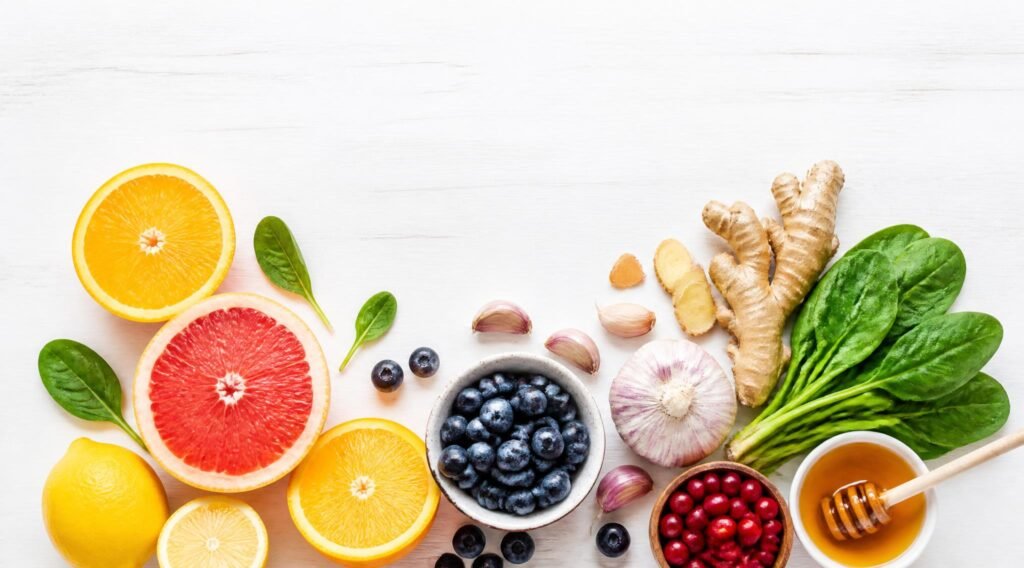
Did you know that nearly 70% of your immune system actually lives in your gut? That means what you eat isn’t just about weight or energy — it’s directly wired into how well your body defends itself against illness.
If you find yourself getting sick more often than the people around you, or you just want to build a stronger defense before cold and flu season hits, the solution might be simpler than you think. Certain foods are loaded with the specific vitamins, minerals, and antioxidants your immune cells need to function at their best. If you’ve already read our guide on 16 Best Foods for Eye Health, you already know that many of the same nutrients your body uses to protect one system often protect several others at once — immunity is no exception.
In this guide, you’ll find 18 foods backed by nutrition science that genuinely support immune health — plus exactly why each one works and how to easily fit them into your daily routine. Let’s dive in.
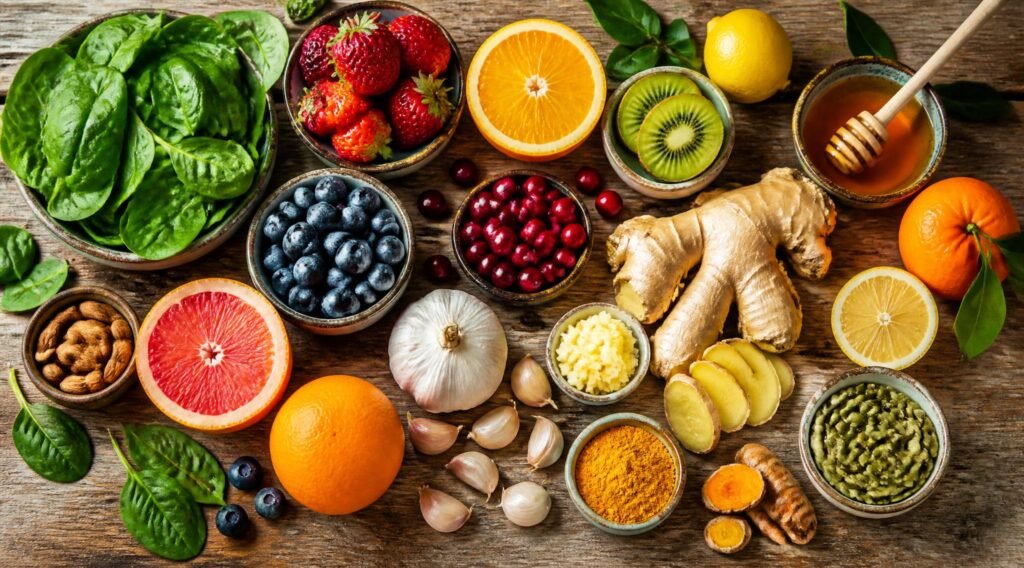
1. Citrus Fruits (Oranges, Grapefruit, Lemons)
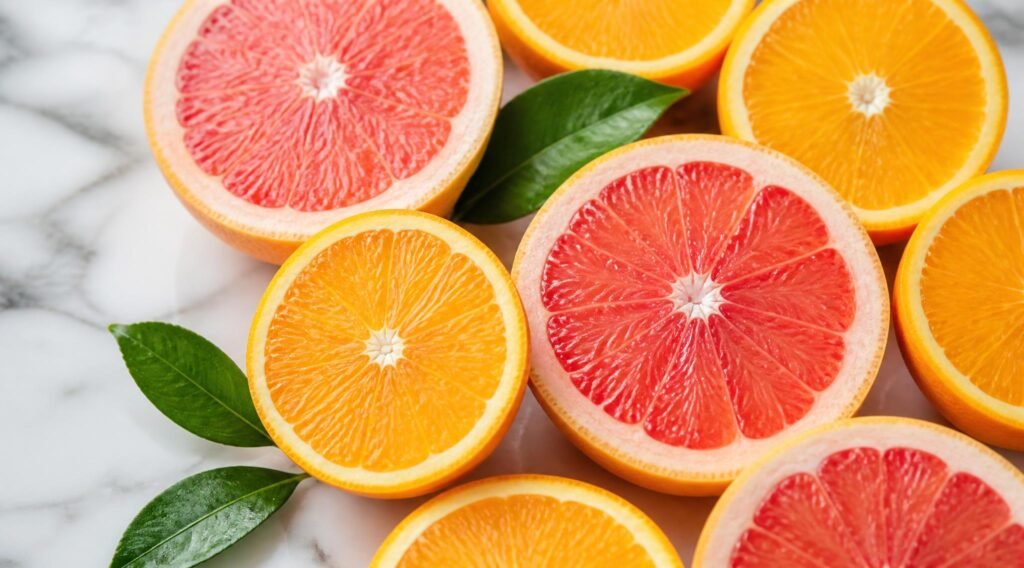
Citrus fruits are famous for their high vitamin C content, and for good reason. Vitamin C is thought to increase the production of white blood cells, which are key to fighting infections.
Why it works: Your body doesn’t produce or store vitamin C on its own, so you need a steady daily supply through food. Citrus fruits offer one of the most concentrated natural sources.
2. Red Bell Peppers
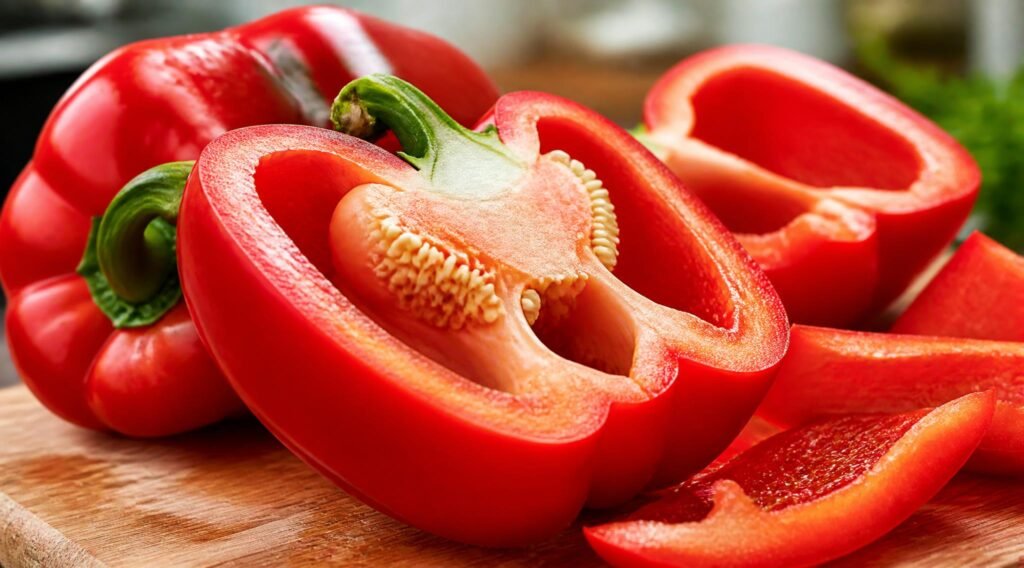
Surprisingly, red bell peppers contain almost three times more vitamin C than an orange. They’re also rich in beta carotene, which your body converts to vitamin A — important for healthy skin and mucous membranes that act as your body’s first line of defense, and for eye health too, as we cover in our eye health foods guide.
💡 Did You Know? One medium red bell pepper contains around 152mg of vitamin C — more than double the daily recommended intake for most adults.
3. Broccoli
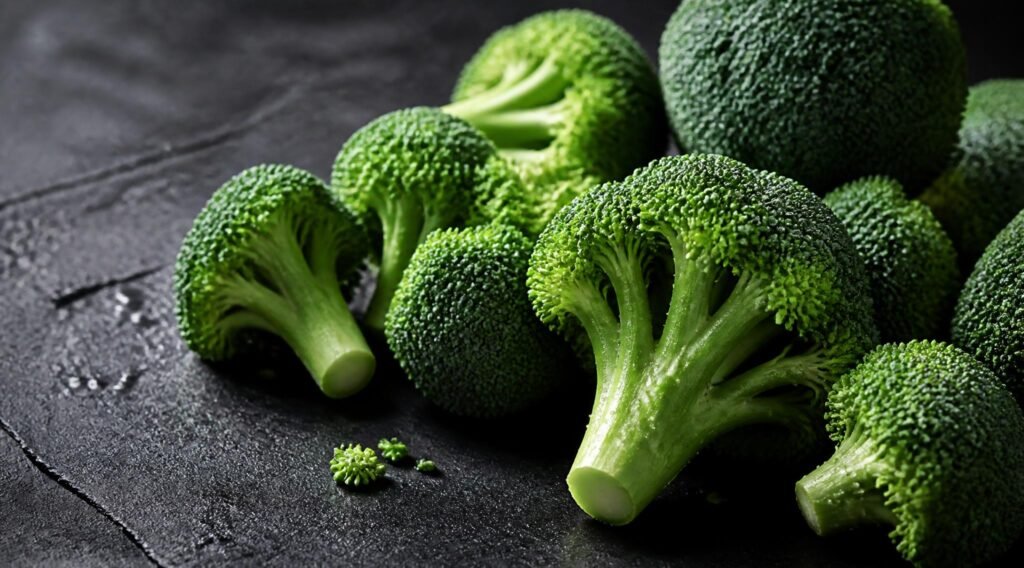
Broccoli is packed with vitamins A, C, and E, along with fiber and antioxidants like sulforaphane. This combination makes it one of the most nutrient-dense vegetables you can eat.
Why it works: To keep the most nutrients intact, cook broccoli as little as possible — steaming is your best option.
4. Garlic
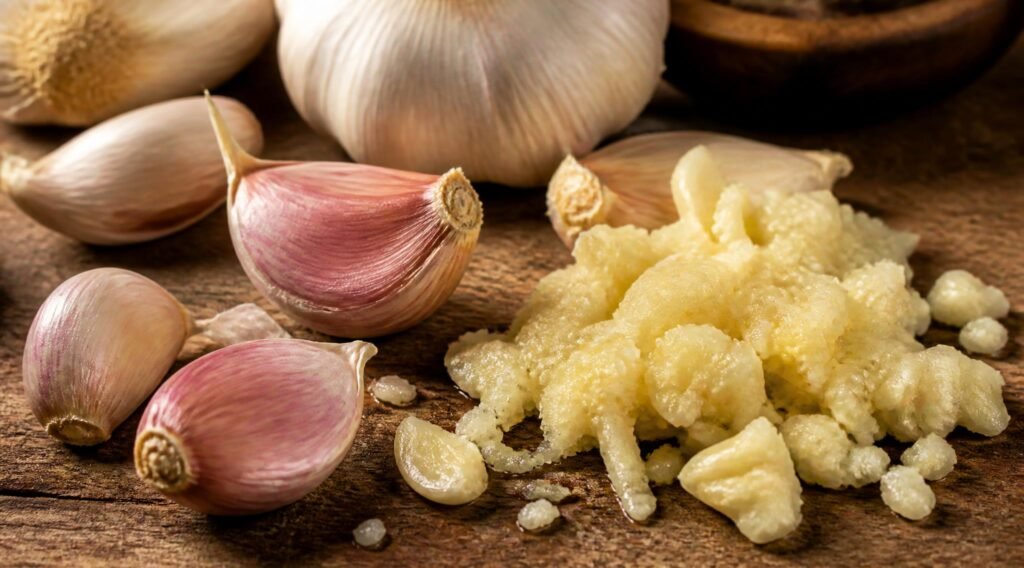
Garlic has been used for centuries across cultures for its health-supporting properties. It contains a compound called allicin, which is released when garlic is crushed or chopped, and is believed to help boost the immune system’s ability to fight germs. Garlic is also one of the standout entries in our 17 Best Foods to Lower Blood Pressure Naturally guide, since the same compounds that support immunity also help relax blood vessels.
5. Ginger
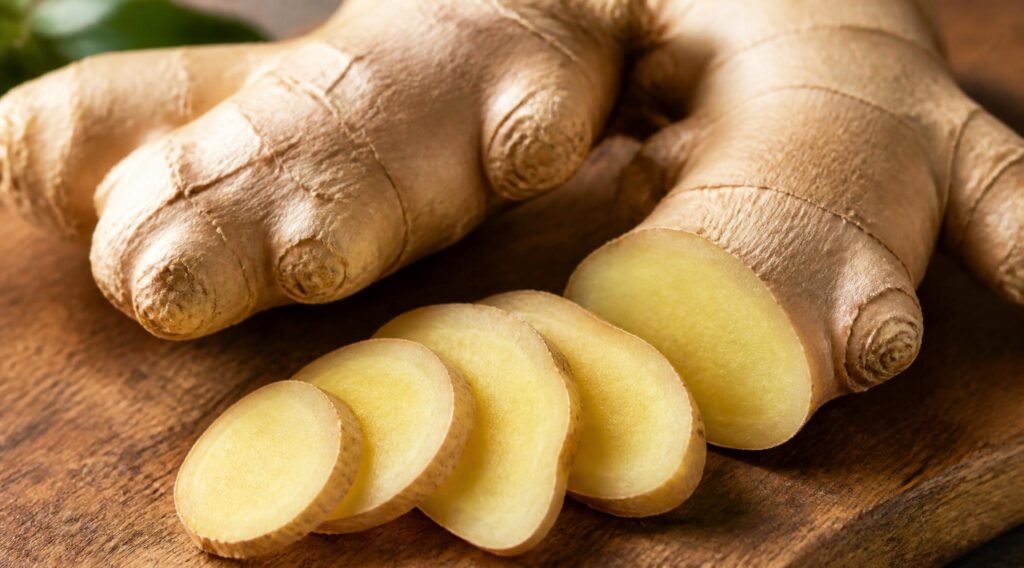
Ginger may help decrease inflammation and has been used traditionally to treat sore throat and other inflammatory conditions. It also has antioxidant properties that support overall immune function.
6. Spinach
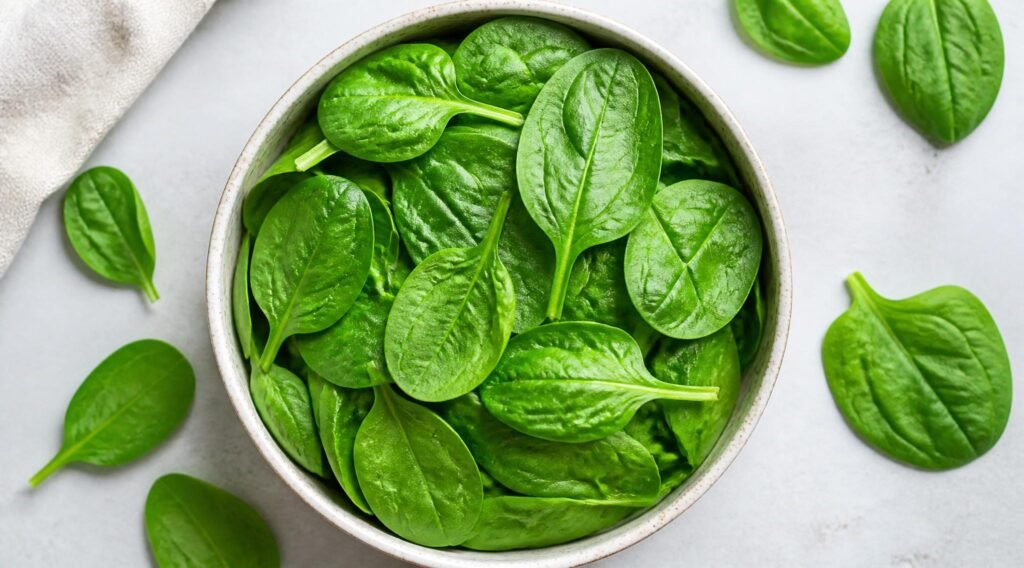
Spinach is rich in vitamin C, along with numerous antioxidants and beta carotene, which may increase the infection-fighting ability of your immune system. Like broccoli, it’s healthiest when cooked as little as possible.
💡 Quick Tip: Lightly sautéing spinach for just a minute or two helps break down oxalic acid while still preserving most of its nutrients.
7. Yogurt (with Live Cultures)
Yogurt with live and active cultures can help stimulate your immune system to help fight diseases, thanks to the beneficial probiotic bacteria it contains. These good bacteria play a major role in gut health, which is closely tied to immune function. If you want to go deeper on this connection, our guide to the 7 Best Probiotic Supplements for Gut Health breaks down exactly which strains matter most.
Why it works: A large portion of your immune system is located in your gut lining, so feeding it beneficial bacteria directly supports immune defense.
8. Almonds
Almonds are packed with vitamin E, a powerful antioxidant that’s key to a healthy immune system. Vitamin E is fat-soluble, meaning it requires the presence of fat to be properly absorbed — almonds naturally contain healthy fats, making them an ideal source.
9. Sunflower Seeds
Sunflower seeds are loaded with vitamin E, as well as selenium and phosphorus, all of which contribute to a healthy immune response. They’re also a great source of magnesium and vitamin B6 — nutrients that overlap closely with what’s recommended in our Best Foods for Thyroid Health guide, since selenium supports both systems.
10. Turmeric
Turmeric has long been used as an anti-inflammatory in treating various conditions. Its active compound, curcumin, has been shown in some research to help decrease exercise-induced muscle damage and support overall immune resilience.
11. Green Tea
Green tea is rich in flavonoids, a type of antioxidant, and contains an amino acid called L-theanine, which may aid in the production of germ-fighting compounds in your T-cells. It’s also a calming ritual worth pairing with the tips in our 15 Best Foods for Anxiety and Stress Relief guide, since chronic stress is known to suppress immune function.
💡 Did You Know? Green tea also contains small amounts of the amino acid L-theanine, which may help boost immune function even beyond its antioxidant content.
12. Papaya
Papaya is another fruit loaded with vitamin C. It also contains a digestive enzyme called papain that has anti-inflammatory effects, along with decent amounts of potassium, folate, and vitamins B and E.
13. Kiwi
Kiwi is naturally packed with a host of essential nutrients, including folate, potassium, vitamin K, and vitamin C, which help support the immune system while the rest of the fruit’s nutrients keep other bodily functions working properly.
14. Poultry (Chicken and Turkey)
Poultry is high in vitamin B6, an important player in many chemical reactions that happen in the body, including supporting healthy immune function. Chicken and turkey are also rich sources of protein, which your body needs to build and repair immune cells — the same principle behind several picks in our 16 Best Iron-Rich Foods to Fight Anemia and Fatigue guide.
15. Shellfish (Oysters, Crab)
Certain types of shellfish are packed with zinc, a mineral your immune system needs to function properly. While zinc is available in small amounts throughout many foods, shellfish offer a concentrated dose.
Why it works: Zinc deficiency can significantly impair immune function, so getting enough through diet supports your body’s ability to respond to infection.
16. Blueberries
Blueberries contain a type of flavonoid called anthocyanin, which has antioxidant properties that may play a role in supporting your respiratory tract’s immune defense system. They also show up in our 15 Best Collagen-Rich Foods for Firmer, Healthier Skin guide for the same antioxidant reasons.
17. Dark Chocolate
Dark chocolate contains an antioxidant called theobromine, which may help boost your immune system by protecting your body’s cells from free radical damage. Choose varieties with at least 70% cocoa for the most benefit.
18. Mushrooms (Shiitake, Maitake, Reishi)
Certain mushroom varieties have been studied for their potential to support immune function. They contain beta-glucans, a type of fiber that may help activate the immune system’s ability to respond to threats.
How Your Immune System Actually Uses These Nutrients
It helps to understand why these foods matter, not just that they do. Your immune system is made up of two main branches: innate immunity (your body’s fast, general-purpose defense) and adaptive immunity (a slower, more targeted response that “remembers” specific germs). Both branches depend heavily on nutrients you get from food.
Vitamin C, for example, doesn’t just sit in your bloodstream — it accumulates in white blood cells like neutrophils and lymphocytes, where it’s used to help these cells move toward infection sites and destroy pathogens more effectively. Zinc plays a similar structural role, acting almost like a building block for immune cell development. Without enough of it, your body simply can’t produce as many functional immune cells.
Antioxidants like the flavonoids in green tea and blueberries work differently — they help reduce oxidative stress, which is the cellular “wear and tear” caused by fighting off infections and everyday environmental exposure. Left unchecked, oxidative stress can actually weaken your immune response over time, which is why antioxidant-rich foods aren’t just a “bonus” — they’re protective.
And then there’s your gut. Roughly 70% of your immune tissue is located in and around your digestive tract, which is why probiotic-rich foods like yogurt have such an outsized effect on overall immunity. A healthy gut microbiome helps train your immune system to tell the difference between harmless substances and actual threats — reducing unnecessary inflammation while keeping your defenses sharp when they’re truly needed.
Simple Ways to Build an Immune-Supportive Day
You don’t need to eat all 18 foods in one day to see benefits — consistency across the week matters far more than perfection in a single meal. Here’s a simple way to think about spreading these foods across your day:
Morning: Start with yogurt topped with blueberries and a few almonds, or a smoothie with spinach, kiwi, and a spoon of ginger.
Midday: Add a big handful of red bell peppers or broccoli to your lunch, along with a source of lean protein like chicken or fish.
Afternoon: Reach for sunflower seeds or a square of dark chocolate instead of processed snacks — or if you’re low on energy, our Best Natural Energy Foods Without Caffeine guide has more caffeine-free ideas.
Evening: Cook with garlic and turmeric as your flavor base, and finish the day with a cup of green tea.
This kind of simple rotation means you’re naturally covering vitamin C, zinc, vitamin E, probiotics, and antioxidants without needing to track anything closely.
FAQ
Can food alone prevent me from getting sick? No single food can guarantee you won’t get sick, but a consistent diet rich in these nutrients gives your immune system the tools it needs to respond more effectively when you’re exposed to germs.
How long does it take for diet changes to affect immunity? Your immune system relies on ongoing nutrient supply, so consistency matters more than any single meal. Most people notice benefits after several weeks of consistently eating immune-supportive foods.
Should I take supplements instead of eating these foods? Whole foods offer a combination of vitamins, minerals, fiber, and antioxidants that work together — something a single supplement typically can’t replicate. Food should be your first approach, with supplements considered only when advised by a healthcare provider.
Are there foods I should avoid for better immunity? Highly processed foods, excess added sugar, and excessive alcohol can all place extra stress on your immune system. Reducing these while increasing whole, nutrient-dense foods gives your body a better foundation to work from.
Which food boosts immunity the fastest? No food works instantly, but vitamin C-rich options like citrus fruits and red bell peppers are absorbed quickly and start supporting white blood cell activity within hours of eating them.
Can kids eat these immune-boosting foods too? Most of these foods, like citrus fruits, yogurt, and poultry, are perfectly safe and beneficial for children. Just introduce shellfish and stronger flavors like ginger or turmeric gradually, and watch for allergies as with any new food.
Conclusion
Your immune system works hardest when it has the right raw materials to work with — and that starts on your plate. From vitamin C-rich citrus and peppers to gut-supporting yogurt and zinc-packed shellfish, these 18 foods give your body real, science-backed support against everyday illness.
Try this today: Pick 2-3 foods from this list you don’t already eat regularly and add them to your grocery list this week. Small, consistent changes add up to real immune resilience over time.
If sleep has also been a struggle for you, poor sleep can weaken immune function too — check out our guide on Top 5 Weighted Blankets for Anxiety and Better Sleep to tackle both at once.
Pingback: 15 Best Foods for Bone Health: A Proven Guide | nutrieatss