If you’ve been told your thyroid is underactive — or you’re just tired, cold, and foggy more often than you’d like — you’ve probably already searched “what should I eat for my thyroid” more than once. The frustrating part is how much conflicting advice is out there: some sites tell you to load up on leafy greens, others warn you away from them entirely.
The truth sits in the middle. Your thyroid genuinely does depend on specific nutrients — iodine, selenium, zinc, and iron chief among them — to produce hormones properly. But a handful of foods (goitrogens like raw cruciferous vegetables, and excess soy) can interfere with that process in large amounts, and if you’re on thyroid medication, even the timing of a fiber-rich breakfast matters. This guide walks through both sides: what to eat more of, what to watch, and how to build a day of eating that actually supports your thyroid instead of working against it.
If gut health is also part of your picture, our 30-Day Gut Health Reset Plan pairs naturally with thyroid-focused eating, since digestive health and thyroid function are closely linked.
Quick Answer
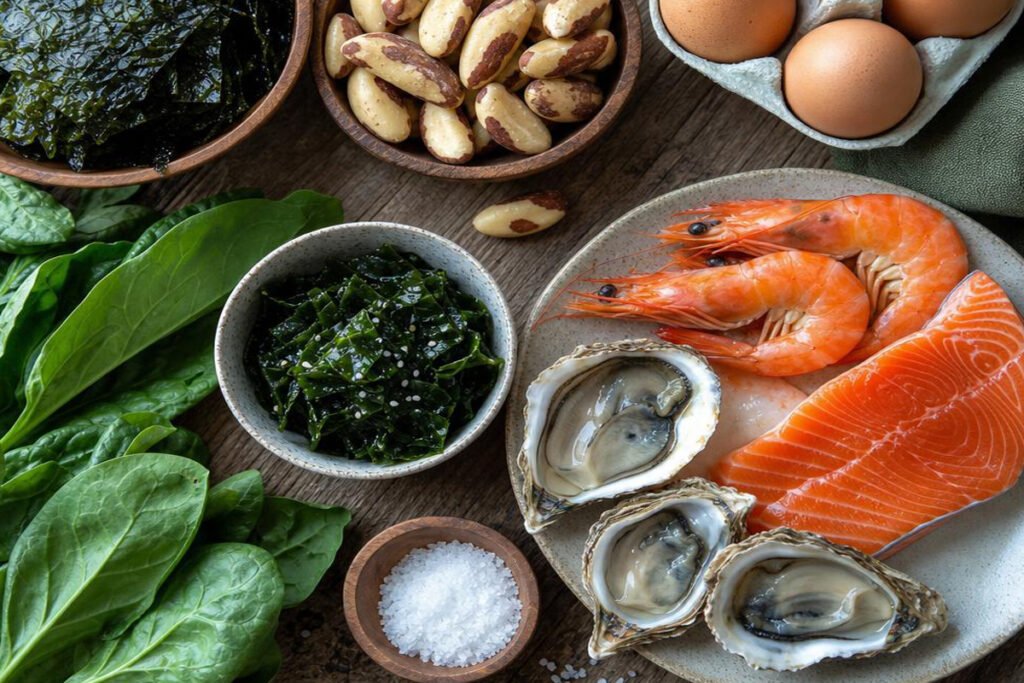
The best foods for thyroid health are the ones that supply iodine, selenium, zinc, and iron — the four nutrients your thyroid needs to produce and convert hormones. Seafood, seaweed, eggs, and dairy cover iodine. Brazil nuts, sardines, and eggs cover selenium. Oysters, beef, and pumpkin seeds cover zinc. Lean meats, beans, and spinach cover iron. The main things to watch are excessive raw cruciferous vegetables and soy in very large amounts, and timing — if you take thyroid medication, fiber, calcium, and iron all need to be spaced several hours apart from your dose, not avoided altogether.
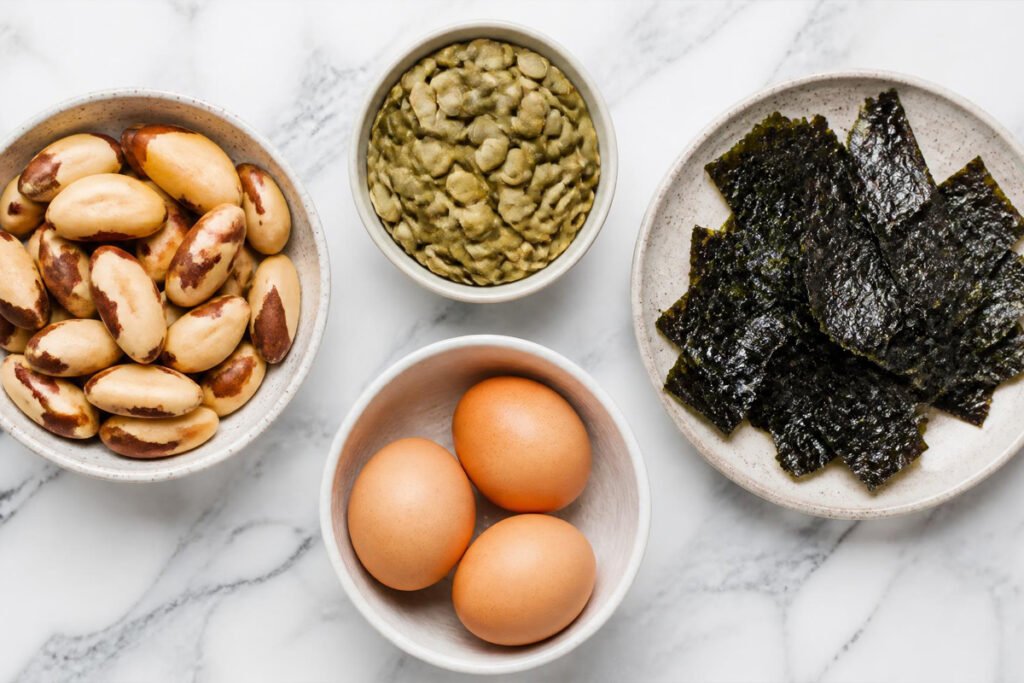
Table of Contents
- How Diet Affects Thyroid Function
- How to Choose the Right Foods for You
- 15 Best Foods for Thyroid Health
- Comparison Table
- Foods to Watch (Not Necessarily Avoid)
- How to Time Meals Around Thyroid Medication
- Common Mistakes
- Expert Tips
- Final Thoughts
- FAQ
How Diet Affects Thyroid Function {#how-diet-affects}
Your thyroid gland uses iodine as the literal building block for thyroid hormones (T3 and T4). Without enough iodine, hormone production drops — which is why iodized salt became a public health success story in the first place. But iodine is only part of the picture. Selenium is required to convert the less-active T4 hormone into the more-active T3 form, and a selenium deficiency can blunt that conversion even when iodine levels are fine. Zinc and iron play supporting roles in hormone synthesis and receptor function, and low levels of either are linked to worse thyroid symptoms, especially in people who are already hypothyroid.
On the flip side, a category of plant compounds called goitrogens — found in raw cruciferous vegetables like broccoli, cabbage, and kale, and in soy — can interfere with iodine uptake in very large, mostly raw and uncooked quantities. Cooking substantially reduces this effect, which is why the common advice isn’t “avoid these vegetables” but “don’t eat pounds of them raw every day.” For a deeper look at how these same vegetables affect other systems, our anti-inflammatory meal plan for beginners covers cooking methods that reduce compounds like this while keeping the nutritional benefits.
How to Choose the Right Foods for You {#how-to-choose}
- Do you have hypothyroidism, hyperthyroidism, or just want general support? The advice differs — someone with hyperthyroidism (overactive thyroid) generally needs to moderate iodine, not increase it, which is the opposite of hypothyroid guidance.
- Are you on thyroid medication (like levothyroxine)? If so, timing matters as much as food choice — several common thyroid-healthy foods can reduce medication absorption if eaten too close to your dose.
- Do you have an autoimmune thyroid condition (Hashimoto’s or Graves’)? Some people with autoimmune thyroid disease also manage gluten or dairy sensitivities — worth discussing with your doctor rather than eliminating food groups on your own.
15 Best Foods for Thyroid Health {#best-foods}
1. Seaweed (Nori, Kelp, Wakame)
Overview: One of the most concentrated natural sources of iodine available, though the amount varies widely by type and needs moderation. Key Features:
- Very high iodine content (varies significantly by species)
- Also provides some iron and fiber
- Common in sushi, soups, and salads Best For: People needing a food-based iodine boost Pros: ✅ Extremely iodine-dense ✅ Low calorie Cons: ❌ Easy to overdo — some kelp products contain far more iodine than needed in a single serving ❌ Not appropriate for hyperthyroidism without medical guidance Our Verdict: A little goes a long way; a few servings a week of nori or wakame is plenty for most people.
2. Fish (Cod, Tuna, Shrimp)
Overview: Seafood is naturally rich in iodine and, in fattier varieties, selenium as well. Key Features:
- Reliable iodine source
- Cod and shrimp are particularly iodine-dense
- Lean protein source Best For: A twice-weekly protein swap Pros: ✅ Dual iodine and protein source ✅ Widely available Cons: ❌ Portion-dependent — very large servings can push iodine intake high Our Verdict: Two to three servings a week fits comfortably into most thyroid-supportive diets.
3. Sardines
Overview: Small but mighty — sardines pack iodine, selenium, and omega-3s into one inexpensive can. Key Features:
- Good source of iodine and selenium
- Rich in omega-3 fatty acids
- Shelf-stable and affordable Best For: A convenient pantry staple Pros: ✅ Budget-friendly ✅ No prep required Cons: ❌ Canned versions can be high in sodium — rinse or choose low-sodium options Our Verdict: An easy weekly addition; pairs well with the heart-healthy fish habits in our foods that help lower cholesterol naturally guide.
4. Eggs
Overview: A rare food that delivers iodine and selenium at the same time, mostly concentrated in the yolk. Key Features:
- Contains both iodine and selenium
- Complete protein source
- Versatile and inexpensive Best For: A daily breakfast staple Pros: ✅ Two key nutrients in one food ✅ Affordable and versatile Cons: ❌ Nutrient content is concentrated in the yolk — egg-white-only diets miss out Our Verdict: One of the easiest daily habits on this list; see our best breakfast foods for blood sugar control for ways to build a full breakfast around it.
5. Brazil Nuts
Overview: The single richest natural food source of selenium — just one to two nuts can cover a full day’s needs. Key Features:
- Extremely high selenium content per nut
- Also provides healthy fats and magnesium
- Easy snack, no prep Best For: A quick, targeted selenium boost Pros: ✅ Small serving covers a full day’s selenium ✅ No cooking needed Cons: ❌ Easy to over-consume — more than a few a day can push selenium intake too high over time Our Verdict: Stick to one or two a day rather than a handful; more isn’t better here.
6. Greek Yogurt and Dairy
Overview: Dairy is a reliable, often-overlooked source of iodine, alongside calcium and protein. Key Features:
- Consistent iodine content
- Good source of calcium and protein
- Widely available and versatile Best For: A breakfast or snack staple Pros: ✅ Convenient ✅ Dual iodine and calcium source Cons: ❌ Calcium content means it needs to be timed away from thyroid medication (see the timing section below) Our Verdict: A solid daily habit — just not right alongside your medication dose.
7. Oysters
Overview: One of the richest natural sources of zinc, a mineral thyroid hormone synthesis depends on. Key Features:
- Extremely high zinc content
- Also provides some iodine and selenium
- Nutrient-dense in a small serving Best For: An occasional zinc-focused meal Pros: ✅ Multiple thyroid-relevant nutrients in one food Cons: ❌ Less accessible/affordable than other zinc sources for regular use Our Verdict: A great occasional choice; pumpkin seeds (below) are a more everyday alternative.
8. Pumpkin Seeds
Overview: A convenient, plant-based zinc source that’s easy to eat daily. Key Features:
- Good source of zinc and magnesium
- Portable, shelf-stable snack
- Unsalted versions keep sodium low Best For: A daily snack habit Pros: ✅ Easy to portion ✅ Affordable Cons: ❌ Zinc absorption from plant sources is somewhat lower than from animal sources like oysters or beef Our Verdict: A practical everyday zinc source, especially for plant-forward eaters.
9. Lean Beef
Overview: A reliable source of both zinc and iron, two minerals commonly low in people with hypothyroidism. Key Features:
- Good source of zinc and heme iron (a more absorbable form)
- Complete protein
- Versatile across meals Best For: A few servings a week as part of a varied protein rotation Pros: ✅ Dual zinc and iron source ✅ Highly absorbable iron form Cons: ❌ Moderation matters if you’re also managing cholesterol — pair with the guidance in our cholesterol-lowering foods article Our Verdict: A useful but not mandatory protein rotation option — beans and poultry can fill similar roles.
10. Beans and Lentils
Overview: A plant-based iron and zinc source that also supports the broader digestive health tied to thyroid function. Key Features:
- Good source of non-heme iron and zinc
- High in fiber (note the medication-timing caveat below)
- Affordable and versatile Best For: Plant-forward eaters building iron intake Pros: ✅ Budget-friendly ✅ Doubles as a fiber source Cons: ❌ High fiber content means timing away from thyroid medication matters Our Verdict: A great addition — just not eaten right alongside your morning dose if you’re on medication.
11. Spinach and Leafy Greens
Overview: A source of iron and a wide range of micronutrients, though it’s also technically a mild goitrogen when eaten raw in very large amounts. Key Features:
- Good source of iron and magnesium
- Cooking reduces goitrogenic compounds significantly
- Versatile across meals Best For: A daily vegetable base Pros: ✅ Nutrient-dense ✅ Cooking neutralizes most of the goitrogen concern Cons: ❌ Large raw quantities (think multiple blended smoothies a day) are the scenario worth moderating, not an occasional salad Our Verdict: Cooked spinach a few times a week is a net positive, not something to fear.
12. Brown Rice and Whole Grains
Overview: A steady energy source that also supports the digestive regularity often disrupted by hypothyroidism. Key Features:
- Good source of fiber, B vitamins, and selenium (varies by soil content)
- Supports steady energy levels
- Versatile base for meals Best For: A grain base for balanced meals Pros: ✅ Filling ✅ Supports digestive regularity Cons: ❌ Also a fiber source that needs medication timing consideration Our Verdict: A solid staple — just build your medication schedule around it, not the other way around.
13. Berries
Overview: An antioxidant-rich fruit choice that supports overall metabolic health without interfering with thyroid function. Key Features:
- High in antioxidants and fiber
- Lower glycemic impact than many fruits
- No known interference with thyroid hormone Best For: A daily fruit habit Pros: ✅ No timing restrictions ✅ Supports broader metabolic health Cons: ❌ None specific to thyroid function Our Verdict: An easy, unrestricted daily addition.
14. Bone Broth or Poultry
Overview: A gentle, easily digestible protein source that supports overall nutrient absorption, which matters more when thyroid function is already compromised. Key Features:
- Easy to digest
- Provides protein and some minerals
- Gentle on a sensitive digestive system Best For: People also managing digestive symptoms alongside thyroid issues Pros: ✅ Gentle and versatile ✅ Supports overall gut-thyroid connection Cons: ❌ Not a significant source of the four key thyroid minerals on its own Our Verdict: A supportive addition rather than a primary nutrient source — best paired with iodine- and selenium-rich foods elsewhere on this list.
15. Iodized Salt (in moderate amounts)
Overview: For many people, iodized table salt remains a simple, reliable iodine source — worth noting since sea salt and specialty salts often aren’t iodized. Key Features:
- Reliable iodine source when used consistently
- No special preparation needed
- Widely available Best For: People who don’t regularly eat seafood or dairy Pros: ✅ Consistent, predictable iodine source Cons: ❌ Needs to be balanced against overall sodium goals, especially if blood pressure is also a concern — see our foods to lower blood pressure naturally guide for that balance Our Verdict: Worth checking whether your salt at home is iodized — many trendy salts (Himalayan pink, flaky sea salt) are not.
Comparison Table {#comparison-table}
| Food | Best For | Key Nutrient | Medication Timing Concern | Ease of Daily Use |
|---|---|---|---|---|
| Seaweed | Targeted iodine boost | Iodine | Low | Medium |
| Fish/Seafood | Iodine + protein | Iodine, selenium | Low | Medium |
| Eggs | Daily staple | Iodine, selenium | Low | High |
| Brazil Nuts | Fast selenium boost | Selenium | Low | High |
| Dairy/Yogurt | Iodine + calcium | Iodine, calcium | High* | High |
| Pumpkin Seeds | Everyday zinc | Zinc | Low | High |
| Beans/Lentils | Plant iron + zinc | Iron, zinc | High* | High |
*High fiber and calcium content means these should be timed away from thyroid medication — see the timing section below.
Foods to Watch (Not Necessarily Avoid) {#foods-to-watch}
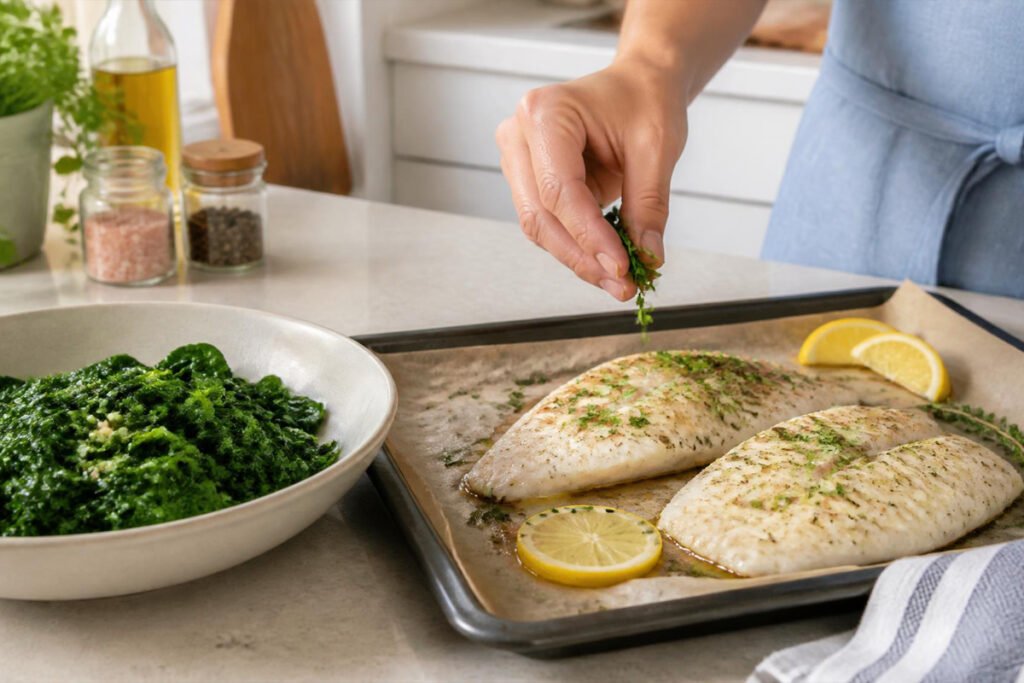
Raw cruciferous vegetables in large quantities. Broccoli, cauliflower, cabbage, and kale contain goitrogens that can interfere with iodine uptake — but the effect is dose-dependent and mostly studied at levels far beyond a normal salad. Cooking reduces the effect substantially, so the practical takeaway is “don’t drink multiple raw kale smoothies daily,” not “avoid vegetables.”
Soy in very large, concentrated amounts. Similar story to cruciferous vegetables — occasional tofu or edamame is not the concern; large, sustained soy intake alongside thyroid medication is what warrants attention, and mainly because it can reduce medication absorption rather than damage the thyroid itself.
Unregulated iodine supplements. More iodine is not automatically better — excessive supplemental iodine can actually worsen thyroid function in some people, particularly those with autoimmune thyroid conditions. Food sources are generally safer than high-dose supplements for this reason.
How to Time Meals Around Thyroid Medication {#how-to-time}
Step 1: Take Medication on an Empty Stomach
Most guidance calls for taking levothyroxine or similar medication first thing in the morning, on an empty stomach, with water only.
Step 2: Wait Before Eating
A common recommendation is to wait 30-60 minutes before breakfast, though your prescribing doctor’s specific instructions take priority over general guidance.
Step 3: Separate High-Fiber and High-Calcium Foods
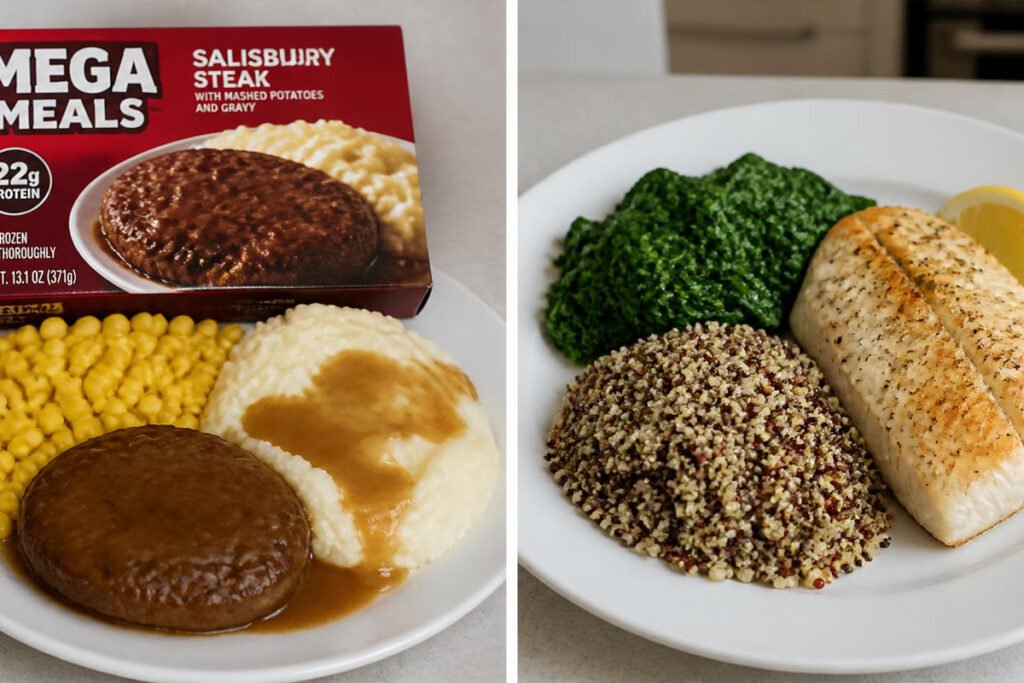
Foods like beans, whole grains, and dairy are excellent for thyroid health overall, but eaten too close to your dose, they can reduce how much medication your body absorbs. Aim for a few hours of separation.
Step 4: Watch Coffee Timing Too
Coffee can also reduce absorption if taken too close to your dose — space it out the same way you would high-fiber foods.
Step 5: Keep Timing Consistent Day to Day
Absorption is more predictable when your routine — medication, food, and coffee timing — stays consistent rather than shifting daily.
Common Mistakes {#common-mistakes}
- Avoiding entire food groups out of goitrogen fear. Cutting out all cruciferous vegetables or soy is rarely necessary and removes genuinely beneficial foods over a manageable, dose-dependent concern.
- Taking thyroid medication with breakfast. Even a “healthy” high-fiber breakfast taken too close to your dose can meaningfully reduce absorption — this is one of the most common, fixable mistakes.
- Assuming more iodine is always better. Especially for people with autoimmune thyroid conditions, excess iodine (often from supplements or concentrated seaweed products) can worsen symptoms rather than help.
Expert Tips {#expert-tips}
- Get labs checked before overhauling your diet. Whether you’re low in iodine, selenium, or iron (or none of the above) should guide which foods you prioritize — guessing wastes effort.
- Cook cruciferous vegetables instead of eating them raw daily. Steaming or roasting significantly reduces goitrogenic compounds while keeping the fiber and vitamin content.
- Pair thyroid-focused eating with gut health basics. Thyroid hormone conversion and absorption are closely tied to digestive health — our 30-Day Gut Health Reset Plan is a natural complement to this list.
Final Thoughts {#final-thoughts}
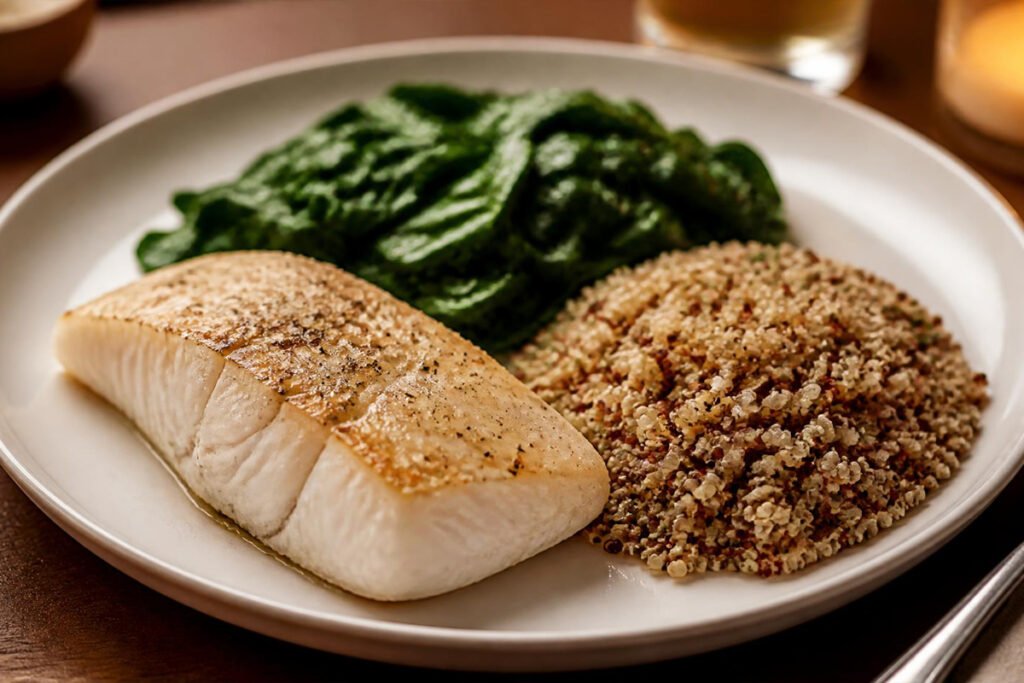
Best overall: Eggs and fish, for delivering iodine and selenium together in foods most people already eat regularly. Best targeted pick: Brazil nuts, for the fastest, simplest selenium boost. Best for beginners: Checking whether your household salt is iodized — it’s a five-second fix that’s easy to overlook.
Thyroid health isn’t about one perfect food or a long avoid-list — it’s about consistently getting enough iodine, selenium, zinc, and iron, while keeping high-fiber and high-calcium foods a few hours away from your medication if you take any. For a broader approach to eating that supports this alongside heart and metabolic health, our Mediterranean diet meal plan for beginners and foods for insulin resistance guides both complement this list well.
Frequently Asked Questions {#faq}
Can diet alone fix hypothyroidism? No. Diet supports thyroid function and can help you feel better alongside treatment, but it doesn’t replace medication for diagnosed hypothyroidism. Always follow your doctor’s treatment plan.
How much iodine do I actually need per day? Most adults need around 150 micrograms daily, with higher needs during pregnancy and breastfeeding. Most people get enough through iodized salt, dairy, and seafood without needing supplements — check with your doctor before supplementing.
Should I avoid broccoli and kale if I have hypothyroidism? Not necessarily. Cooking these vegetables significantly reduces the goitrogenic compounds of concern, and the effect at normal serving sizes is minimal. A daily raw kale smoothie habit is the more relevant concern than an occasional side of roasted broccoli.
How long after taking thyroid medication can I have coffee? General guidance suggests waiting at least 30-60 minutes, similar to food, since coffee can also reduce absorption. Your prescriber’s specific instructions should take priority.
Are there foods that help with hyperthyroidism instead of hypothyroidism? Yes, and the guidance is largely the opposite — people with hyperthyroidism are often advised to moderate iodine intake rather than increase it. This is a case where personalized medical guidance matters more than a general list.
Does gluten affect thyroid health? Some people with autoimmune thyroid conditions like Hashimoto’s also have or develop gluten sensitivity, but this isn’t universal. It’s worth discussing with your doctor rather than eliminating gluten preemptively without a specific reason.
Can I take a multivitamin with iron at the same time as my thyroid medication? It’s generally better not to — iron supplements, like high-fiber and high-calcium foods, can reduce thyroid medication absorption if taken too close together. Space them a few hours apart.
Is seaweed safe to eat every day? It depends on the type and amount — some seaweed products contain very high iodine levels, and daily large servings can push intake too high. A few moderate servings a week is a safer default than daily heavy use.
Do I need a selenium supplement, or is food enough? For most people, one to two Brazil nuts a day provides more than enough selenium without a supplement. Supplementing on top of that can push intake higher than needed, so food-based sources are generally the safer first approach.
Author: Howdy, Adam Last Updated: August 2026