
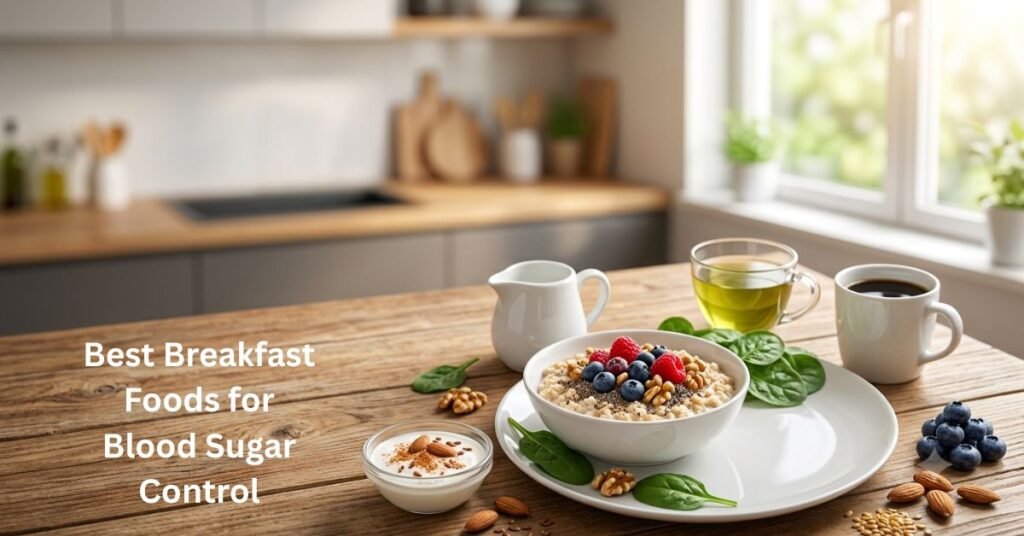
Discover the best breakfast foods for blood sugar control, backed by science. Get recipes, a 7-day meal plan, and expert tips for stable glucose.
Ever notice how some mornings you feel steady and clear-headed, while other mornings — usually after a bowl of sugary cereal or a pastry on the go — you’re starving again by 10 a.m. and feeling foggy? That’s not a coincidence. It’s your blood sugar talking.
Breakfast is often called the most important meal of the day, and when it comes to blood sugar control, that’s more than a cliché. What you eat in the morning sets the tone for your glucose levels, energy, hunger hormones, and even your metabolism for the rest of the day. A breakfast built around protein, fiber, healthy fats, and slow-digesting carbohydrates helps prevent the sharp glucose spikes and crashes that leave you tired, irritable, and reaching for more sugar by mid-morning.
This guide breaks down exactly which breakfast foods support stable blood sugar, which ones tend to cause spikes, and how to build meals that work for real life — whether you’re managing type 2 diabetes, prediabetes, insulin resistance, or simply want steadier energy.
Why Blood Sugar Spikes After Breakfast
To understand why some breakfasts spike blood sugar and others don’t, it helps to know what happens after you eat.
Carbohydrate digestion. When you eat carbohydrates, your body breaks them down into glucose, which enters your bloodstream. Your pancreas responds by releasing insulin, a hormone that helps move glucose out of the blood and into your cells for energy. The faster carbs are digested, the faster and higher your blood sugar rises.
Glycemic index (GI). This is a scale that ranks how quickly a carbohydrate-containing food raises blood sugar compared to pure glucose. High-GI foods (like white bread or sugary cereal) are digested quickly and cause rapid spikes. Low-GI foods (like oats or legumes) are digested more slowly, leading to a gentler rise.
Glycemic load (GL). GI only tells part of the story — it doesn’t account for portion size. Glycemic load factors in both the GI and the amount of carbohydrate in a typical serving, giving a more realistic picture of a food’s real-world effect on blood sugar.
Insulin response. Repeated blood sugar spikes force the pancreas to release large bursts of insulin over and over. Over time, cells can become less responsive to insulin — a condition known as insulin resistance, which is a key driver of prediabetes and type 2 diabetes.
Why sugary cereals and pastries are especially problematic. These foods combine refined carbohydrates with added sugar and almost no protein, fiber, or fat to slow digestion. The result is a fast glucose spike followed by an equally fast crash — which often triggers cravings and overeating later in the day.
What Makes a Blood Sugar-Friendly Breakfast?
High protein — slows digestion and promotes fullness (eggs, Greek yogurt, cottage cheese, tofu)
What Makes a Blood Sugar-Friendly Breakfast?
- High fiber — slows glucose absorption and feeds healthy gut bacteria (oats, chia seeds, berries, flaxseeds)
- Healthy fats — further blunts the glucose response and supports satiety (avocado, nuts, olive oil)
- Whole foods — minimally processed ingredients digest more slowly than refined ones
- Low added sugar — even “healthy” foods like flavored yogurt can be loaded with hidden sugar
- Low glycemic carbohydrates — choosing slow-digesting carbs over refined ones
- Portion control — even healthy carbs can raise blood sugar if portions are too large
Choose More Often vs. Limit
| Eggs | Sugary cereals |
| Oats | Donuts |
| Greek yogurt | Sweet pastries |
| Nuts | White bread |
| Berries | Sweetened yogurt |
Top 15 Best Breakfast Foods for Blood Sugar Control
1. Eggs
Eggs are a complete protein source, containing all nine essential amino acids, along with choline and vitamin D. Blood sugar benefits: Virtually zero carbohydrates, so eggs don’t directly raise blood sugar, and their protein content helps slow digestion of any carbs eaten alongside them. Best serving size: 2 eggs. Easy serving ideas: Scrambled with spinach, boiled and paired with avocado, or in a veggie omelet. Who benefits most: Anyone looking for a low-carb, high-protein start to the day.
2. Greek Yogurt
Higher in protein and lower in sugar than regular yogurt, with probiotics that support gut health. Blood sugar benefits: The protein content slows carbohydrate absorption when paired with fruit or granola. Best serving size: 3/4 to 1 cup, plain and unsweetened. Easy serving ideas: Top with berries, chia seeds, and a few walnuts. Who benefits most: People who want a quick, portable breakfast with gut-health benefits.
3. Steel-Cut Oats
Rich in beta-glucan, a soluble fiber shown to support healthy cholesterol and glucose levels. Blood sugar benefits: Digests more slowly than instant oats due to less processing, producing a gentler glucose response. Best serving size: 1/2 cup dry (cooked). Easy serving ideas: Cook with cinnamon and top with nuts and a spoon of nut butter. Who benefits most: People with prediabetes or type 2 diabetes looking for a fiber-rich carb option.
4. Chia Seeds
High in fiber, omega-3 fats, and plant protein. Blood sugar benefits: Chia seeds form a gel when soaked, which slows digestion and glucose absorption. Best serving size: 1–2 tablespoons. Easy serving ideas: Chia pudding, or stirred into yogurt or oatmeal. Who benefits most: Anyone wanting an easy fiber boost without much effort.
5. Flaxseeds
Excellent source of fiber and plant-based omega-3s (ALA). Blood sugar benefits: The soluble fiber helps slow carbohydrate digestion; some research links flaxseed to modest improvements in fasting blood sugar. Best serving size: 1–2 tablespoons, ground. Easy serving ideas: Sprinkle ground flaxseed into oatmeal, yogurt, or smoothies. Who benefits most: People looking to add fiber without adding noticeable carbs or calories.
6. Berries
Lower in sugar and higher in fiber than most fruits, plus rich in antioxidants. Blood sugar benefits: Their fiber-to-sugar ratio makes them one of the gentlest fruit choices for blood sugar. Best serving size: 1/2 to 1 cup. Easy serving ideas: Add to Greek yogurt, oatmeal, or eat on their own. Who benefits most: Anyone wanting fruit’s sweetness without a big glucose spike.
7. Avocados
High in monounsaturated fat and fiber, low in carbs. Blood sugar benefits: Healthy fats slow gastric emptying, which can blunt the blood sugar response to a meal. Best serving size: 1/4 to 1/2 avocado. Easy serving ideas: Mashed on whole-grain toast with an egg on top. Who benefits most: People wanting satiety and healthy fat without added carbs.
8. Cottage Cheese
High in casein protein, which digests slowly, plus calcium. Blood sugar benefits: Slow-digesting protein helps maintain steady energy and fullness for hours. Best serving size: 1/2 to 1 cup. Easy serving ideas: Top with berries and a sprinkle of cinnamon. Who benefits most: People who want a high-protein, low-carb breakfast that keeps them full until lunch.
9. Nuts
Provide healthy fats, plant protein, magnesium, and fiber. Blood sugar benefits: Some research associates regular nut consumption with improved insulin sensitivity. Best serving size: A small handful (about 1 ounce). Easy serving ideas: Add almonds or walnuts to yogurt or oatmeal. Who benefits most: Anyone needing a portable, blood sugar-friendly snack addition to breakfast.
10. Nut Butter
Similar benefits to whole nuts — healthy fats, protein, and some fiber. Blood sugar benefits: Slows digestion of any carbs it’s paired with. Best serving size: 1–2 tablespoons. Easy serving ideas: Spread on whole-grain toast or stirred into oatmeal. Who benefits most: People who want a quick way to add protein and fat to a carb-based breakfast.
11. Tofu Scramble
Plant-based protein source, low in carbs, often fortified with calcium. Blood sugar benefits: A protein-forward alternative to eggs with a minimal glucose impact. Best serving size: 1/2 to 3/4 cup, cooked. Easy serving ideas: Sauté crumbled tofu with turmeric, spinach, and peppers. Who benefits most: Vegans, vegetarians, or anyone looking to diversify protein sources.
12. Whole-Grain Toast
Provides fiber and B vitamins that refined white bread lacks. Blood sugar benefits: The fiber content slows digestion compared to refined bread, producing a smaller glucose spike. Best serving size: 1 slice. Easy serving ideas: Top with avocado and eggs, or nut butter and berries. Who benefits most: People who want a carb source but still need blood sugar stability — best paired with protein and fat.
13. Leafy Greens
Very low in calories and carbs, high in fiber, vitamins, and minerals. Blood sugar benefits: Adds volume and nutrients to a meal without meaningfully affecting glucose. Best serving size: 1–2 cups. Easy serving ideas: Sauté spinach into an omelet or blend kale into a smoothie. Who benefits most: Anyone wanting to add nutrients and fullness with almost no carb impact.
14. Cinnamon (Supportive, Not a Treatment)
A flavorful spice with antioxidant properties. Blood sugar benefits: Some studies suggest cinnamon may modestly support insulin sensitivity, though it should never replace medication or medical treatment. Best serving size: 1/2 to 1 teaspoon. Easy serving ideas: Sprinkle into oatmeal, yogurt, or coffee. Who benefits most: Anyone looking for a flavorful, low-risk addition — but it’s a supportive habit, not a treatment.
15. Unsweetened Smoothies
A way to combine protein, fiber, and healthy fats in one drink. Blood sugar benefits: When built correctly (protein powder or Greek yogurt, greens, a small amount of berries, and a fat source like nut butter or chia seeds), smoothies can be blood sugar-friendly. Fruit-heavy, juice-based smoothies are not. Best serving size: 12–16 ounces. Easy serving ideas: Blend spinach, Greek yogurt, berries, chia seeds, and unsweetened almond milk. Who benefits most: People who need a fast, portable breakfast without sacrificing balance.
10 Breakfast Foods That Can Spike Blood Sugar
Some breakfast staples look harmless but can send glucose soaring:
- Sugary cereals — high in refined carbs and added sugar, low in fiber and protein
- Pancakes with syrup — refined flour plus concentrated sugar is a fast-spiking combination
- White bread toast — refined carbs with little fiber to slow digestion
- Fruit juice — concentrated sugar without the fiber found in whole fruit
- Sweet coffee drinks — flavored lattes and blended coffees can contain as much sugar as dessert
- Muffins — often made with refined flour and a lot of added sugar
- Donuts — combine refined carbs, sugar, and fried fat
- Pastries — similar to donuts, with little protein or fiber to offset the sugar
- Sweetened yogurt — flavored yogurts can contain more added sugar than a cookie
- Instant flavored oatmeal — often has added sugar and less fiber than steel-cut or rolled oats
Healthier alternatives: Swap sugary cereal for Greek yogurt with berries, pancakes for a veggie omelet, white toast for whole-grain toast with avocado, and juice for whole fruit.
7 Easy Blood Sugar-Friendly Breakfast Recipes
1. Greek Yogurt Parfait with Berries and Chia
Ingredients: 1 cup plain Greek yogurt, 1/2 cup mixed berries, 1 tablespoon chia seeds, a few chopped walnuts Instructions: Layer yogurt, berries, and chia seeds in a bowl or jar. Top with walnuts. Prep time: 5 minutes | Calories: ~280 | Protein: 22g | Fiber: 8g
2. Veggie Omelet
Ingredients: 2 eggs, 1/4 cup spinach, 1/4 cup diced bell pepper, 2 tablespoons diced onion, olive oil Instructions: Whisk eggs. Sauté vegetables in olive oil, pour eggs over, cook until set, and fold. Prep time: 10 minutes | Calories: ~250 | Protein: 15g | Fiber: 2g
3. Overnight Oats
Ingredients: 1/2 cup rolled oats, 3/4 cup unsweetened almond milk, 1 tablespoon chia seeds, 1/2 cup berries, cinnamon Instructions: Combine oats, milk, and chia seeds in a jar. Refrigerate overnight. Top with berries and cinnamon before eating. Prep time: 5 minutes (plus overnight) | Calories: ~300 | Protein: 10g | Fiber: 10g
4. Chia Pudding
Ingredients: 3 tablespoons chia seeds, 1 cup unsweetened almond milk, 1/2 teaspoon vanilla, 1/4 cup berries Instructions: Whisk chia seeds and milk together, refrigerate for at least 3 hours or overnight, top with berries. Prep time: 5 minutes (plus chilling) | Calories: ~220 | Protein: 6g | Fiber: 12g
5. Avocado Egg Toast
Ingredients: 1 slice whole-grain bread, 1/4 avocado, 1 egg, salt, pepper, chili flakes Instructions: Toast bread, mash avocado on top, add a fried or poached egg, season to taste. Prep time: 10 minutes | Calories: ~280 | Protein: 12g | Fiber: 6g
6. Cottage Cheese Bowl
Ingredients: 3/4 cup cottage cheese, 1/2 cup berries, 1 tablespoon flaxseed, cinnamon Instructions: Combine cottage cheese with berries, sprinkle with flaxseed and cinnamon. Prep time: 5 minutes | Calories: ~230 | Protein: 20g | Fiber: 5g
7. Tofu Scramble
Ingredients: 1/2 block firm tofu, 1/2 teaspoon turmeric, 1/4 cup spinach, 1/4 cup diced tomato, olive oil Instructions: Crumble tofu, sauté with turmeric, spinach, and tomato in olive oil until heated through. Prep time: 10 minutes | Calories: ~200 | Protein: 14g | Fiber: 3g
Sample 7-Day Blood Sugar-Friendly Breakfast Meal Plan
| Day | Breakfast | Calories | Protein |
| Monday | Veggie omelet with spinach and peppers | 250 | 15g |
| Tuesday | Greek yogurt parfait with berries and chia | 280 | 22g |
| Wednesday | Overnight oats with flaxseed and berries | 300 | 10g |
| Thursday | Avocado egg toast | 280 | 12g |
| Friday | Cottage cheese bowl with berries | 230 | 20g |
| Saturday | Tofu scramble with spinach and tomato | 200 | 14g |
| Sunday | Chia pudding with berries and walnuts | 260 | 8g |
Foods That Improve Insulin Sensitivity
Beyond individual meals, certain food groups have been linked to better long-term insulin sensitivity when eaten regularly as part of an overall healthy diet:
- Nuts — healthy fats and magnesium
- Seeds — fiber and plant-based omega-3s
- Legumes — a combination of protein and slow-digesting fiber
- Oats — beta-glucan fiber
- Olive oil — monounsaturated fat linked to better metabolic health
- Berries — antioxidants (anthocyanins) associated with improved glucose metabolism
- Leafy greens — nutrient-dense with minimal impact on blood sugar
Tips to Prevent Morning Blood Sugar Spikes
- Eat protein first — starting your meal with protein before carbs can blunt the glucose spike
- Pair carbs with protein — never eat carbs alone
- Add healthy fats — fat slows gastric emptying and glucose absorption
- Increase fiber — aim for at least 5–10 grams of fiber at breakfast
- Avoid sugary drinks — juice, sweetened coffee, and soda spike blood sugar quickly
- Stay hydrated — dehydration can affect blood sugar regulation
- Walk after breakfast — even a 10-minute walk can help muscles use glucose more efficiently
- Sleep well — poor sleep is linked to reduced insulin sensitivity
- Manage stress — stress hormones like cortisol can raise blood sugar
Frequently Asked Questions (FAQ)
What is the healthiest breakfast for blood sugar control?
A breakfast that combines protein, fiber, and healthy fats — such as eggs with vegetables, or Greek yogurt with berries and chia seeds — tends to produce the most stable blood sugar response.
Are eggs good for diabetes?
Yes. Eggs are low in carbohydrates and high in protein, making them a good option for people managing diabetes, though individual cholesterol needs should be discussed with a doctor.
Is oatmeal good for blood sugar?
Steel-cut or rolled oats can be blood sugar-friendly thanks to their fiber content, but instant, flavored varieties often contain added sugar and less fiber, so they’re a less ideal choice.
Can diabetics eat bananas?
In moderation, yes. Choosing a smaller or slightly underripe banana and pairing it with protein or fat (like nut butter) can help minimize the glucose impact.
Is coffee safe for blood sugar?
Black coffee has minimal effect on blood sugar for most people. Sweetened, flavored coffee drinks are a different story, as they can contain large amounts of added sugar.
Which fruits are best in the morning?
Lower-sugar, higher-fiber fruits like berries, apples, and pears tend to have a gentler effect on blood sugar than tropical fruits like mango or pineapple.
Should people with diabetes skip breakfast?
Generally, no — skipping breakfast can lead to bigger blood sugar swings later in the day for many people, though individual responses vary and this should be discussed with a healthcare provider.
What is the best protein for breakfast?
Eggs, Greek yogurt, cottage cheese, and tofu are all excellent protein sources that pair well with fiber-rich carbohydrates.
Are smoothies healthy for blood sugar?
It depends on what’s in them. Smoothies built with protein, fiber, and healthy fats (Greek yogurt, greens, chia seeds) can be blood sugar-friendly, while fruit-juice-based smoothies can spike glucose quickly.
How much carbohydrate should breakfast contain? This varies by individual, activity level, and medication use, but many blood sugar-focused guidelines suggest pairing 15–30 grams of carbohydrate with adequate protein and fiber at breakfast. A registered dietitian or diabetes educator can help personalize this number.
Conclusion
The best breakfast foods for blood sugar control all share a few key traits: they’re rich in protein, fiber, and healthy fats, and low in refined carbohydrates and added sugar. Building your morning meal around foods like eggs, Greek yogurt, oats, chia seeds, berries, and leafy greens — while limiting sugary cereals, pastries, and juice — can help you avoid the spike-and-crash cycle that leaves you tired and hungry by mid-morning.
You don’t need to overhaul your entire diet overnight. Start with one or two small swaps, like trading sugary cereal for a veggie omelet or adding chia seeds to your oatmeal, and build from there. As always, work with your doctor or a registered dietitian to personalize these recommendations to your specific health needs, medications, and goals.
This article is intended for educational purposes only and is not a substitute for professional medical advice, diagnosis, or treatment. Always consult a qualified healthcare provider before making changes to your diet, especially if you have diabetes or take blood sugar medication.
Pingback: 16 Best Iron-Rich Foods to Fight Anemia and Fatigue | nutrieatss
Pingback: Best Natural Energy Foods Without Caffeine: Proven Ways to Beat Fatigue | nutrieatss