

You’ve cut calories, you’re moving more, and the scale still won’t budge the way you expected. It’s one of the most common frustrations in weight loss — and often the missing piece isn’t willpower, it’s metabolism. What you eat doesn’t just supply calories; it influences how efficiently your body burns them.
Metabolism isn’t something you can “hack” with a single food or drink, but certain foods do measurably support the processes that keep your metabolic rate from slowing down — protein that preserves muscle, compounds that mildly boost calorie burn, and fiber that keeps blood sugar (and hunger) steady. We’ve already covered the bigger picture in our foods for weight loss and burning belly fat guide; this guide zeroes in specifically on metabolism.
Below: the 15 best foods to boost metabolism, how to build them into a realistic routine, mistakes that quietly stall progress, and the questions people ask most.
Quick Answer
If you want your metabolism working with you instead of against you, prioritize protein at every meal — it burns more calories to digest than fat or carbs and protects the muscle mass that keeps your metabolic rate up. Layer in metabolism-supportive foods like green tea, chili peppers, and fiber-rich vegetables, and pair them with resistance training rather than relying on diet alone. If blood sugar swings are also part of your picture, our insulin resistance foods guide covers overlapping ground worth reading alongside this one.
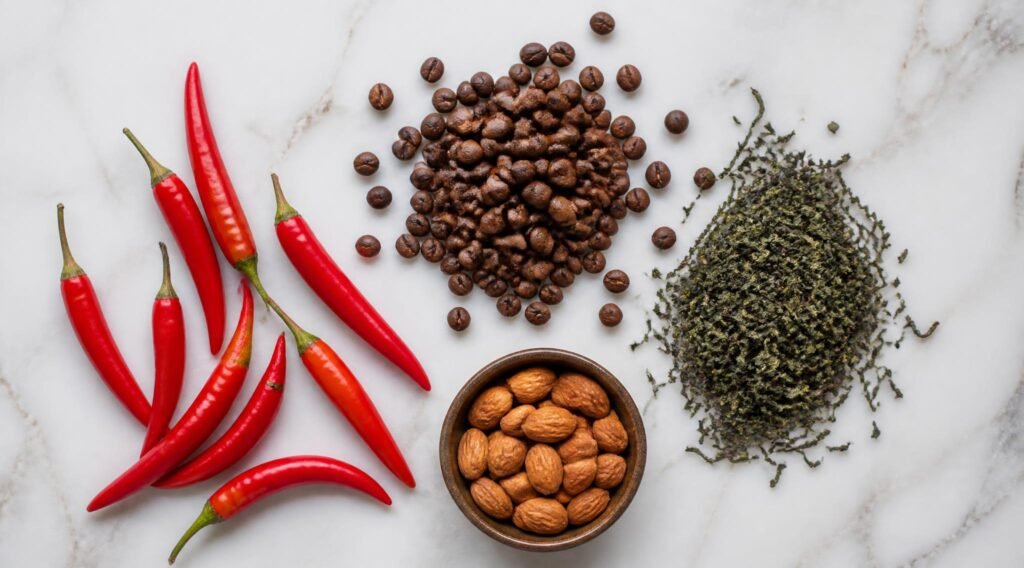
Table of Contents
- How Metabolism and Weight Loss Are Connected
- How to Choose the Right Foods for Your Metabolism
- The 15 Best Foods to Boost Metabolism
- Comparison Table
- Best Foods for Different Metabolism Goals
- How to Build a Metabolism-Friendly Diet
- Common Mistakes
- Expert Tips
- Final Thoughts
- FAQ
How Metabolism and Weight Loss Are Connected
Metabolism is the sum of chemical processes your body uses to convert food into energy — it doesn’t just determine how many calories you burn at the gym, but how many you burn simply existing (your basal metabolic rate, or BMR). BMR accounts for the majority of most people’s daily calorie burn, which is exactly why it matters so much for weight loss.
A few things influence it directly:
- Muscle mass burns more calories at rest than fat tissue, which is why strength training and adequate protein intake are two of the most reliable ways to support metabolic rate over time.
- Aggressive calorie restriction can backfire — cutting calories too hard for too long signals the body to conserve energy, slowing metabolism as a protective response.
- Meal composition, not just calorie count, affects the thermic effect of food (the energy your body spends digesting what you eat) — protein has the highest thermic effect, followed by carbs, then fat.
Diet doesn’t override genetics or age-related metabolic slowdown, but it meaningfully shapes how efficiently your body uses the calories you give it — and that adds up over months, not days.
How to Choose the Right Foods for Your Metabolism
Before restructuring your plate, ask yourself:
- Am I eating enough protein? Most people trying to lose weight underestimate this — protein needs often go up, not down, during a calorie deficit to protect muscle.
- Is my goal fat loss, energy, or both? Some foods (like caffeine and capsaicin) offer a short-term metabolic bump; others (like fiber and protein) support the longer game of preserving lean mass and appetite control.
- What’s sustainable for me long-term? A metabolism-friendly diet that you can’t maintain past six weeks won’t outperform a moderate one you can stick with for a year.
According to the National Institute of Diabetes and Digestive and Kidney Diseases (NIDDK), combining a balanced, protein-adequate diet with regular physical activity — particularly strength training — is one of the most consistently supported approaches for maintaining metabolic rate during weight loss.
The 15 Best Foods to Boost Metabolism {#the-15-best-foods}
1. Eggs
Why it helps: High-quality complete protein with a strong thermic effect, meaning your body burns more calories digesting it than digesting carbs or fat. Best for: A protein-forward breakfast that supports satiety through the morning.
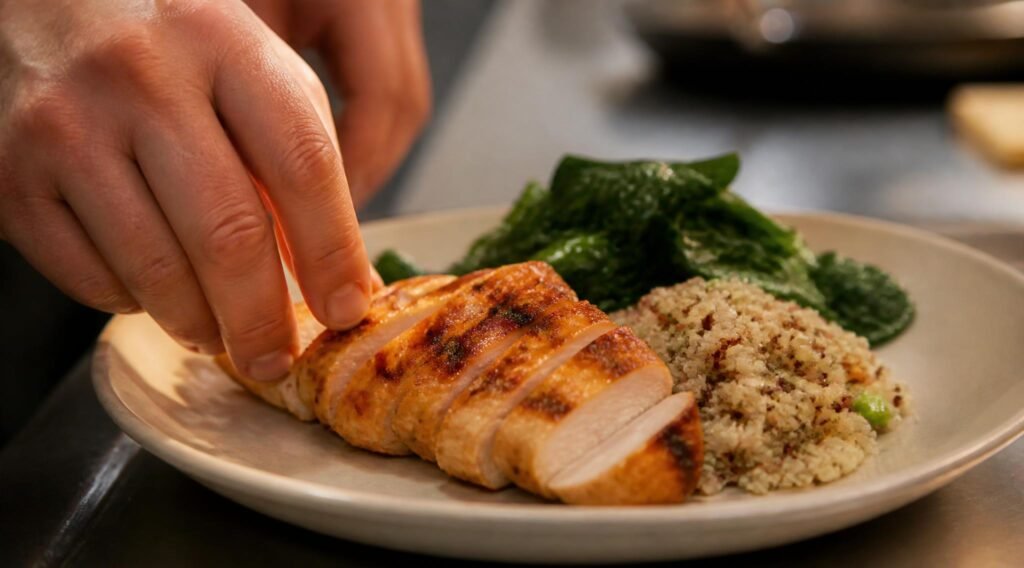
2. Lean Poultry (Chicken, Turkey)
Why it helps: Supports muscle maintenance during weight loss, which helps prevent the metabolic slowdown that comes with losing lean mass. Best for: Lunch and dinner protein anchors.
3. Green Tea
Why it helps: Contains catechins and modest caffeine, both linked in research to small, temporary increases in calorie burn and fat oxidation. Best for: A daily beverage swap for sugary drinks — see our omega-3 supplement guide if you’re stacking multiple daily habits.
4. Chili Peppers
Why it helps: Contain capsaicin, which has been shown to modestly and temporarily increase calorie burn and reduce appetite in some studies. Best for: Adding to meals rather than relying on as a standalone strategy.
5. Greek Yogurt
Why it helps: High protein content plus probiotics that support gut health, which is increasingly linked to metabolic function. Best for: A high-protein snack or breakfast base.
6. Legumes (Lentils, Chickpeas, Black Beans)
Why it helps: Combine plant protein and fiber, which slows digestion, stabilizes blood sugar, and supports satiety. Best for: Replacing refined carbs in lunches and dinners.
7. Salmon and Fatty Fish
Why it helps: Omega-3 fatty acids may help reduce inflammation associated with insulin resistance, indirectly supporting healthy metabolic function. Best for: Two servings a week alongside other protein sources.
8. Coffee (Black)
Why it helps: Caffeine is one of the most well-studied compounds for temporarily boosting metabolic rate and fat oxidation. Best for: Morning or pre-workout, without added sugar or heavy cream.
9. Leafy Greens (Spinach, Kale)
Why it helps: Very low in calories relative to volume, with fiber that supports fullness without excess energy intake. Best for: Bulking up meals without adding significant calories.
10. Cottage Cheese
Why it helps: High in slow-digesting casein protein, which supports satiety and muscle maintenance, especially at night. Best for: An evening snack that won’t undermine a calorie deficit.
11. Berries
Why it helps: High fiber and antioxidants with relatively low sugar impact compared to other fruits, supporting steady blood sugar. Best for: A satisfying, lower-impact way to manage sweet cravings.
12. Quinoa
Why it helps: A complete plant protein with fiber, offering more staying power than refined grains for the same calories. Best for: Replacing white rice or pasta in meals.
13. Nuts and Seeds (Almonds, Chia, Pumpkin Seeds)
Why it helps: Provide protein, healthy fats, and fiber that support satiety — though portion control matters given their calorie density. Best for: A measured daily snack, not unlimited grazing.
14. Water (and Staying Hydrated)
Why it helps: Mild dehydration can slow metabolic processes, and drinking water before meals has been shown in some studies to modestly reduce calorie intake. Best for: A baseline habit underlying every other change on this list.
15. Whole Grains (Oats, Brown Rice, Barley)
Why it helps: Require more digestive energy than refined grains and provide steadier blood sugar, reducing the crash-and-craving cycle. Best for: Replacing refined carbs as your primary starch source.
Comparison Table {#comparison-table}
| Food | Best For | Key Mechanism | How Often |
|---|---|---|---|
| Eggs | Morning satiety | High thermic effect | Daily |
| Lean poultry | Muscle preservation | Complete protein | Most meals |
| Green tea | Mild calorie burn | Catechins + caffeine | 1-3x/day |
| Chili peppers | Appetite control | Capsaicin | With meals |
| Legumes | Blood sugar stability | Fiber + plant protein | 3-4x/week |
| Cottage cheese | Overnight muscle support | Casein protein | Evening snack |
| Water | Baseline metabolic support | Hydration | Throughout day |
Best Foods for Different Metabolism Goals {#best-foods-for-different-metabolism-goals}
For Preserving Muscle During Weight Loss
Prioritize protein at every meal — eggs, lean poultry, Greek yogurt, and cottage cheese — since muscle loss is one of the biggest drivers of long-term metabolic slowdown. Pair this with resistance training rather than diet changes alone.
For Appetite and Blood Sugar Control
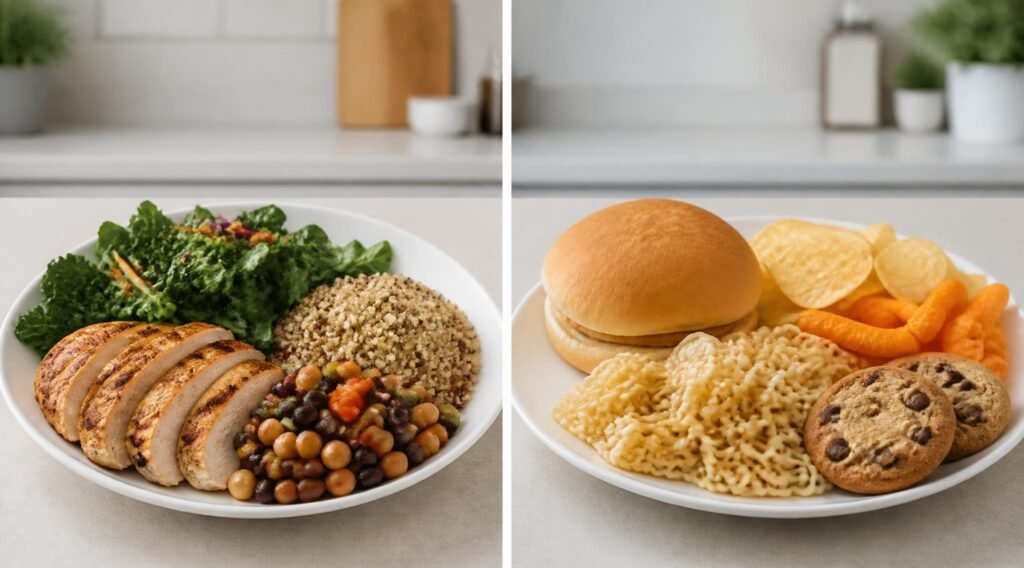
Lean on fiber-rich legumes, whole grains, and leafy greens, which slow digestion and reduce the blood sugar swings that often trigger overeating. Our insulin resistance foods guide goes deeper on this overlap.
For a Short-Term Metabolic Nudge
Green tea, coffee, and chili peppers offer modest, temporary boosts to calorie burn — useful as a complement to a solid diet, not a substitute for one.
How to Build a Metabolism-Friendly Diet {#how-to-build-a-metabolism-friendly-diet}
Step 1: Anchor Every Meal With Protein
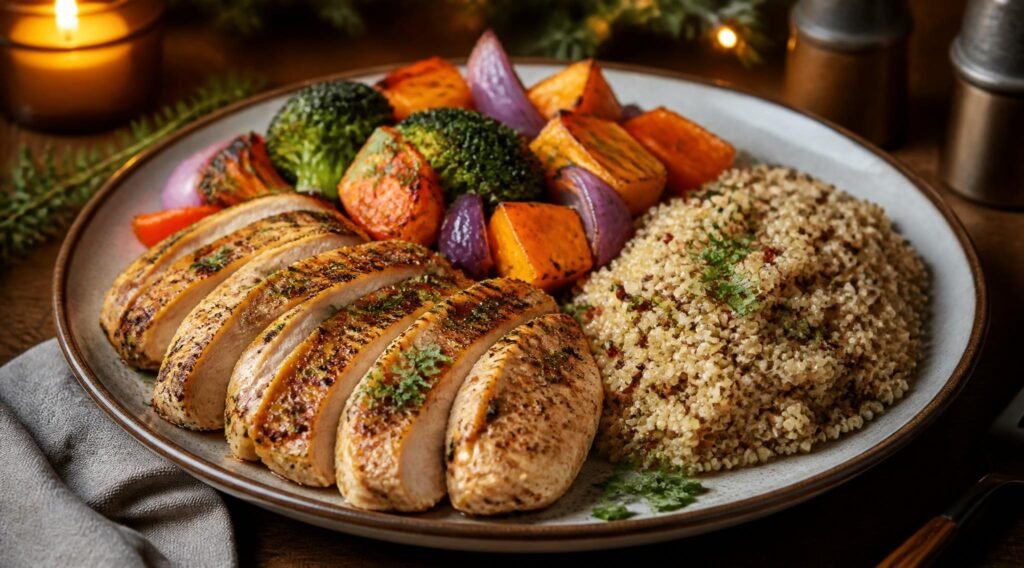
Start each meal by deciding your protein source first — eggs, poultry, fish, legumes, or dairy — then build the rest of the plate around it.
Step 2: Avoid Extreme Calorie Cuts
Aim for a moderate deficit rather than a drastic one; overly aggressive restriction is one of the most common triggers for metabolic slowdown.
Step 3: Add Fiber at Every Meal
Vegetables, legumes, and whole grains slow digestion and support the steady blood sugar that keeps hunger in check.
Step 4: Layer in Metabolism Supporters
Swap sugary drinks for green tea or black coffee, and season meals with chili peppers where you enjoy the heat.
Step 5: Pair Diet With Strength Training
Diet alone can’t preserve muscle the way resistance training can — the two work together, not separately.
Common Mistakes {#common-mistakes}
- Cutting calories too aggressively. Severe restriction often slows metabolism as the body adapts to conserve energy, which can stall weight loss rather than accelerate it.
- Under-eating protein. Many people reduce protein along with everything else when cutting calories, which accelerates muscle loss and undermines long-term metabolic rate.
- Chasing “metabolism boosting” supplements over food and training. No pill or drink replaces the combined effect of adequate protein, fiber, and resistance exercise.
Expert Tips {#expert-tips}
- Spread protein across the day rather than front- or back-loading it. Consistent protein intake at each meal supports muscle maintenance better than one large protein-heavy meal.
- Don’t fear carbs entirely. Whole grains and legumes support training performance and satiety — cutting them out completely often backfires on adherence.
- Sleep matters as much as food. Poor sleep is associated with disrupted hunger hormones and reduced insulin sensitivity, both of which work against metabolic health.
Final Thoughts {#final-thoughts}
There’s no single food that “boosts” metabolism enough to matter on its own — but the pattern across this list is consistent: enough protein to protect muscle, enough fiber to steady blood sugar, and enough calories to avoid triggering your body’s conservation response. That combination, sustained for months rather than days, is what actually moves the needle.
If you’re making one change this week, make it protein at breakfast — it’s the easiest habit on this list to build and one of the most consistently supported. For the fuller picture on sustainable fat loss, our weight loss and belly fat guide and gut health reset both connect directly to the same underlying goal.
Frequently Asked Questions {#faq}
Can certain foods really speed up metabolism? Some foods, like green tea, coffee, and chili peppers, produce small, temporary increases in calorie burn. The effect is modest on its own but can add up as part of a broader diet and training approach.
Does eating small, frequent meals boost metabolism? Not meaningfully. Total daily protein and calorie intake matter far more than meal frequency for most people’s metabolic rate.
Why does metabolism slow down with age? Age-related muscle loss is the biggest driver — less muscle mass means a lower resting calorie burn, which is part of why strength training becomes more important, not less, over time.
Is intermittent fasting good for metabolism? Research is mixed. Some people find it helps with calorie control, but it doesn’t appear to meaningfully boost metabolic rate beyond what a similar calorie deficit would achieve through other eating patterns.
Can drinking more water really help with weight loss? It can help modestly — some studies show drinking water before meals reduces calorie intake, and mild dehydration itself can slightly impair metabolic processes.
Do I need supplements to boost my metabolism? Most “metabolism boosting” supplements have weak or inconsistent evidence. Adequate protein, fiber, and resistance training have far stronger research support.
How much protein do I actually need for weight loss? Needs vary by body size, activity level, and goals — a registered dietitian or your doctor can help you land on a specific target rather than relying on generic numbers.
Can stress affect metabolism? Chronic stress raises cortisol, which can influence appetite and fat storage patterns in some people, though the relationship is individual and not fully one-directional.
Is it true that muscle burns more calories than fat? Yes — muscle tissue has a higher resting metabolic cost than fat tissue, which is part of why preserving or building muscle supports long-term metabolic rate.
Should I avoid all carbs to boost metabolism? No. Carbohydrates support training performance and are digested with a moderate thermic effect; cutting them out entirely isn’t necessary and can make a diet harder to sustain.
Author: Adam Last Updated: September 2026