When your mood is low, cooking can feel like climbing a mountain. Energy is gone, appetite swings, and the easiest option is usually whatever is already in the cupboard. If you’re searching for the best foods for depression, you’re probably hoping for something practical that doesn’t ask too much of you.
Here’s the honest picture. Food is not a cure for depression, and it doesn’t replace therapy, medication, or support from people who care about you. But research increasingly shows that what you eat can influence mood, and that eating patterns rich in vegetables, fish, legumes, and healthy fats are linked to lower depression risk.
This guide covers 15 foods with real evidence behind them, simple ways to eat them when motivation is low, and a gentle 5-step plan. If anxiety travels with your low mood, our guide to foods for anxiety and stress relief pairs well with this one.
Quick Answer
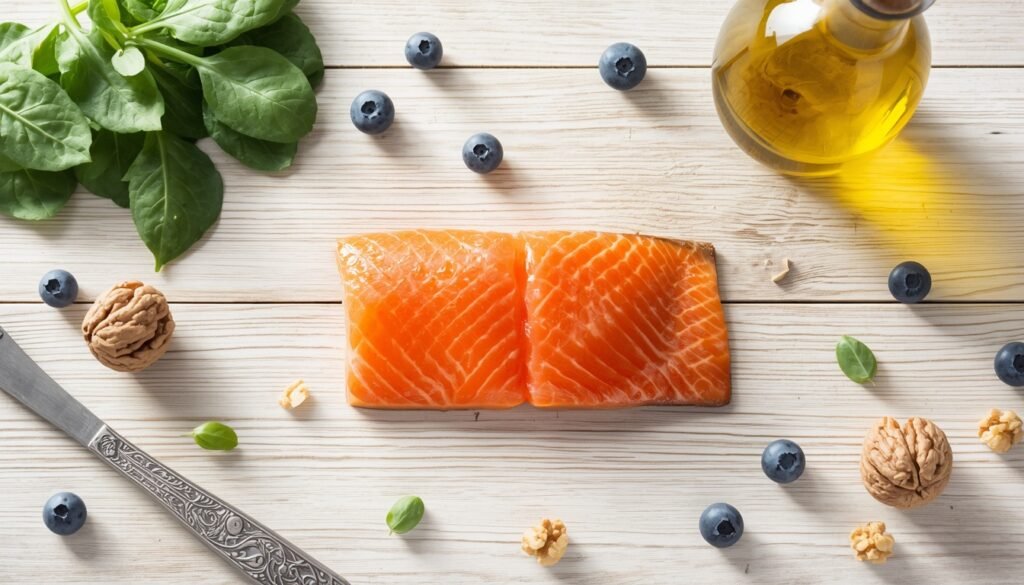
The best foods for depression are those that supply omega-3 fats, B vitamins, magnesium, zinc, and fiber, and that support a healthy gut. Fatty fish, walnuts, leafy greens, berries, legumes, eggs, fermented foods, and olive oil lead the list. The strongest evidence points to an overall Mediterranean-style pattern rather than any single superfood. Start small, add one or two foods at a time, and keep eating regularly. Food supports treatment, but doesn’t replace it.
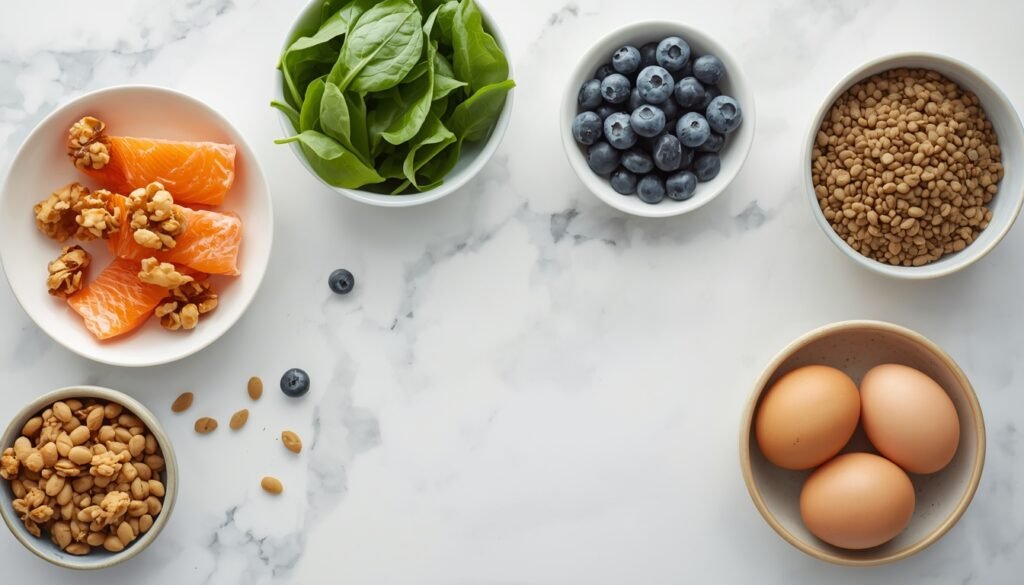
Table of Contents
- How Food Affects Mood
- How to Choose Foods That Work for You
- The 15 Best Foods for Depression
- Comparison Table
- Best Foods for Different Situations
- A Simple 5-Step Plan
- Common Mistakes
- Expert Tips
- Final Thoughts
- Frequently Asked Questions
How Food Affects Mood
Your brain uses roughly 20 percent of your body’s energy, and it relies on a steady supply of nutrients to build neurotransmitters like serotonin and dopamine. Omega-3 fats help build brain cell membranes. B vitamins, especially folate and B12, are involved in making mood-regulating chemicals. Magnesium and zinc support nerve signaling.
The gut matters too. A large share of the body’s serotonin is made in the digestive tract, and gut bacteria communicate with the brain through what researchers call the gut-brain axis. That’s one reason fiber-rich and fermented foods keep showing up in mood research. Our 30-Day Gut Health Reset Plan explains this connection in more depth.
Blood sugar plays a role as well. Sharp spikes and crashes can leave you irritable and drained. If you notice energy crashes after sugary meals, see our guide to the best foods for insulin resistance.
The best evidence comes from dietary patterns. In the SMILES trial, adults with moderate to severe depression who followed a modified Mediterranean diet for 12 weeks were far more likely to reach remission than those who received social support only: about 32 percent versus 8 percent. It was a small trial, but it shows that diet can be a meaningful part of care. For general guidance, the National Institute of Mental Health is a reliable place to learn about depression and treatment options.
How to Choose Foods That Work for You
Ask yourself three questions:
- How much energy do I have right now? On low-energy days, choose foods that need no cooking: canned sardines, yogurt, nuts, fruit, pre-washed greens.
- How is my appetite? If you’re eating very little, nutrient-dense small meals beat large plates. If you’re comfort eating, add good foods alongside, rather than banning favorites.
- Do I take medication or have other conditions? Some foods and supplements interact with antidepressants, and thyroid problems can mimic depression. Our thyroid health diet guide covers the food side of that connection.
A Mediterranean-style pattern is the easiest framework to follow. Our 7-day Mediterranean meal plan for beginners is a good starting template.
The 15 Best Foods for Depression
1. Fatty Fish (Salmon, Sardines, Mackerel)
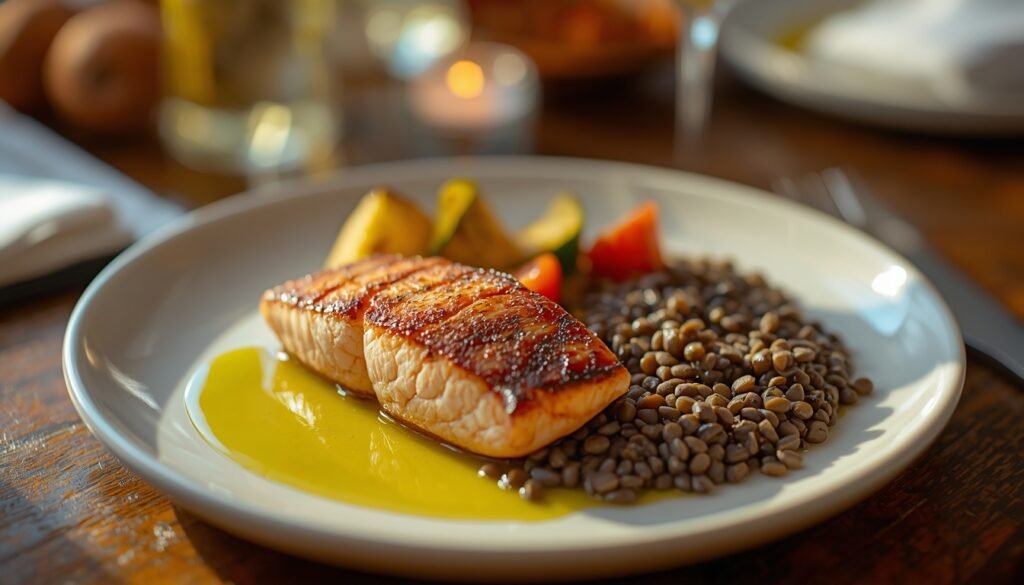
Fatty fish are the richest food source of EPA and DHA, the omega-3 fats most strongly linked to mood. Studies suggest EPA-rich omega-3s may modestly help depressive symptoms, and eating fish regularly is associated with lower depression risk. Aim for two servings a week. Canned sardines and salmon count and need no cooking. If you don’t eat fish, see our omega-3 supplements guide.
Best for: Overall brain and mood support.
2. Walnuts
Walnuts provide ALA, a plant omega-3, along with magnesium and antioxidants. A population study found people who ate nuts regularly, walnuts especially, reported fewer depressive symptoms. A small handful a day is plenty.
Best for: Easy snacking on low-energy days.
3. Spinach and Leafy Greens
Greens are rich in folate, magnesium, and vitamin K. Low folate is consistently associated with depression in research. Add a handful of spinach to eggs, soups, or smoothies, where it barely changes the taste. For more on magnesium, see our magnesium supplements guide.
Best for: Folate and magnesium on a budget.
4. Berries
Blueberries, strawberries, and raspberries are packed with polyphenols that fight inflammation and oxidative stress, both linked to depression. Frozen berries are just as nutritious and keep for months. Our anti-inflammatory meal plan uses them throughout.
Best for: A sweet, no-prep option.
5. Lentils and Beans
Legumes combine folate, magnesium, zinc, and fiber, and they release energy slowly, which helps steady mood. A can of rinsed chickpeas or lentils added to soup or salad takes two minutes.
Watch out for: Gas if you increase them too quickly.
6. Oats and Whole Grains
Whole grains provide steady glucose to the brain and fiber for gut bacteria. They also help the body use tryptophan, the building block of serotonin. Oatmeal topped with walnuts and berries is a three-in-one mood breakfast.
Best for: Avoiding mid-morning crashes.
7. Eggs
Eggs supply B12, choline, vitamin D, and high-quality protein, all useful for brain function. They’re also one of the easiest foods to cook when you’re tired: boil a batch at the start of the week.
Best for: Quick protein and B12.
8. Yogurt and Kefir
Fermented dairy provides live bacteria, protein, and calcium. Early research suggests probiotics may modestly improve mood, though results vary. Choose plain versions and add fruit. Our probiotic supplements guide covers capsule options.
Best for: Gut-brain support.
9. Kimchi, Sauerkraut, and Other Fermented Vegetables
Fermented vegetables add diversity to the gut microbiome. Studies of fermented food intake have linked it with lower stress and better mood markers, though more trials are needed. Start with a spoonful alongside meals.
Watch out for: High sodium in some brands.
10. Extra Virgin Olive Oil
Olive oil is the signature fat of the Mediterranean diet and rich in anti-inflammatory polyphenols. Large European cohort studies found people with higher olive oil intake had lower depression risk. Use it for dressing, drizzling, and cooking.
Best for: Replacing butter and processed oils.
11. Pumpkin Seeds
Pumpkin seeds are among the best plant sources of zinc and magnesium, and they contain tryptophan. Low zinc has been associated with depression in several studies. Sprinkle on yogurt, oats, or salads.
Best for: Zinc and magnesium in a tiny serving.
12. Bananas
Bananas provide vitamin B6, potassium, and fiber, along with natural sugars that give steady energy. B6 helps the body make serotonin. They’re also one of the easiest snacks to grab.
Best for: Grab-and-go energy.
13. Dark Chocolate
Dark chocolate (70 percent cacao or higher) contains flavanols and magnesium. Observational studies link moderate dark chocolate intake with fewer depressive symptoms, though it can’t prove cause. A small square or two is enough.
Watch out for: Added sugar and caffeine, especially late in the day.
14. Avocado
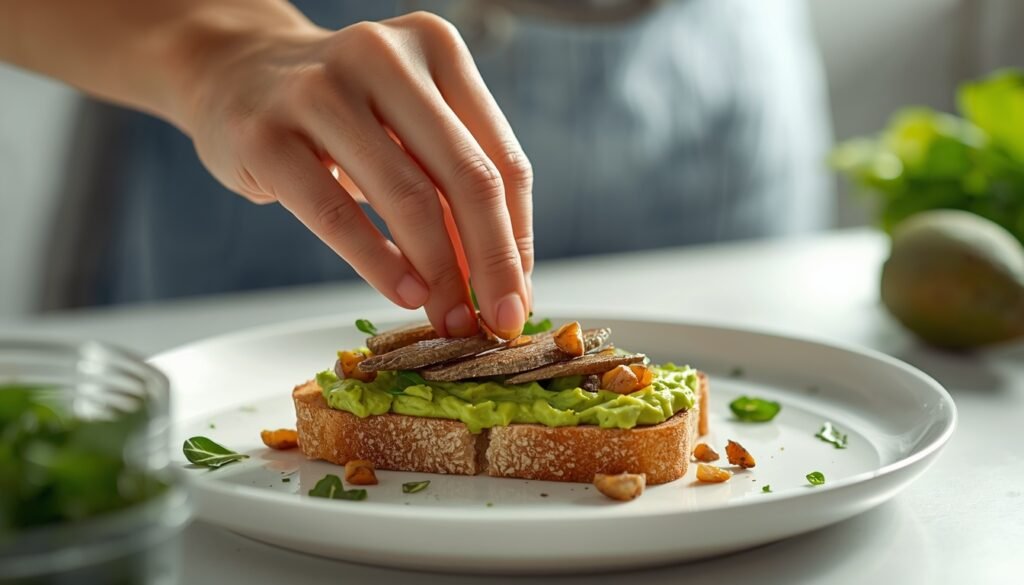
Avocados provide folate, potassium, magnesium, and healthy fats, which help your body absorb fat-soluble nutrients. Half an avocado on whole-grain toast with an egg is a complete, mood-friendly meal. Avocado also supports heart health, as in our guide to lowering blood pressure naturally.
Best for: A satisfying breakfast.
15. Mussels and Oysters
Shellfish are exceptionally rich in B12 and zinc, both linked to mood. Three ounces of mussels or oysters can supply well over a day’s B12 needs. Canned mussels are affordable and ready to eat.
Watch out for: Raw shellfish if you’re pregnant or immunocompromised.
Comparison Table
| Food | Key Nutrient | Typical Serving | Easiest Way to Eat |
|---|---|---|---|
| Fatty fish | EPA, DHA, B12 | 2 servings/week | Canned sardines |
| Walnuts | ALA, magnesium | Small handful | Straight from the bag |
| Leafy greens | Folate, magnesium | 1-2 cups | Add to eggs or soup |
| Berries | Polyphenols | 1 cup | Frozen in oats |
| Lentils/beans | Folate, zinc, fiber | 1/2 cup | Canned, rinsed |
| Oats | Fiber, slow carbs | 1 cup cooked | Overnight oats |
| Eggs | B12, choline | 1-2 | Boiled in batches |
| Yogurt/kefir | Probiotics | 3/4 cup | Plain with fruit |
| Fermented veg | Probiotics | 2 tbsp | Side spoonful |
| Olive oil | Polyphenols | 1-2 tbsp | Drizzle on anything |
| Pumpkin seeds | Zinc, magnesium | 1 oz | Sprinkle |
| Bananas | B6, potassium | 1 | Grab and go |
| Dark chocolate | Flavanols | 1-2 squares | After lunch |
| Avocado | Folate, fats | 1/2 | On toast |
| Mussels/oysters | B12, zinc | 3 oz | Canned mussels |
Best Foods for Different Situations
If You Have No Appetite
Choose small, nutrient-dense options: a smoothie with yogurt, berries, and ground flaxseed, or a handful of walnuts with a banana. Eat on a schedule rather than waiting for hunger, even if portions are small.
If You’re Craving Sugar and Carbs
Cravings are common when mood is low. Pair carbs with protein and fiber, such as oats with nuts, or fruit with yogurt, to avoid crashes. If low energy is a constant companion, read our guide to natural energy foods without caffeine.
If Sleep Is Also a Problem
Poor sleep and low mood feed each other. Magnesium-rich foods, kiwi, and tart cherries may help. See our foods for better sleep guide, and for non-hormonal options, our melatonin-free sleep aids review.
If Hormones Are Involved
Perimenopause, PCOS, and thyroid changes can all affect mood. Our guides to the menopause diet and PCOS hormonal balance foods cover these cases.
A Simple 5-Step Plan
Step 1: Pick Two Foods
Choose two foods from this list you already like, perhaps eggs and berries. Don’t overhaul everything at once.
Step 2: Eat at Regular Times
Aim for three meals or small snacks at similar times each day. Long gaps can worsen irritability and fatigue.
Step 3: Prep Once, Eat Many Times
Boil six eggs, cook a pot of lentils, and portion walnuts into bags. Future-you on a low-energy day will be grateful.
Step 4: Add, Don’t Ban
Add one mood-supporting food to each meal before cutting anything out. This keeps eating positive rather than punishing.
Step 5: Move a Little and Check In
A 10 to 15 minute walk, ideally in daylight, boosts mood alongside your diet. After two to four weeks, notice how your energy and mood feel, and share what you notice with your doctor or therapist.
Common Mistakes
1. Expecting food to replace treatment. Diet is a helpful partner, not a substitute for professional care. If symptoms last more than two weeks or interfere with daily life, speak with a doctor or mental health professional.
2. Skipping meals or cutting calories sharply. Under-eating worsens fatigue and brain fog. If concentration is also a problem, see our guide to foods that fight brain fog.
3. Relying on alcohol or heavy sugar to cope. Both can feel soothing in the moment but tend to worsen mood and sleep over time.
Expert Tips
Think pattern, not perfection. One good meal won’t change your mood, but a consistent pattern over weeks might. Missing a day doesn’t undo your progress.
Get your levels checked. Low vitamin D, B12, iron, or thyroid hormone can cause symptoms that resemble depression. Ask your doctor for bloodwork, and see our iron-rich foods guide if fatigue is prominent.
Use freezer and tin shortcuts. Frozen berries, frozen spinach, canned fish, and canned beans are nutritious and cut prep to almost zero. Our B-complex vitamins guide shows which foods supply B vitamins if you’d like to compare supplements with food.
Final Thoughts
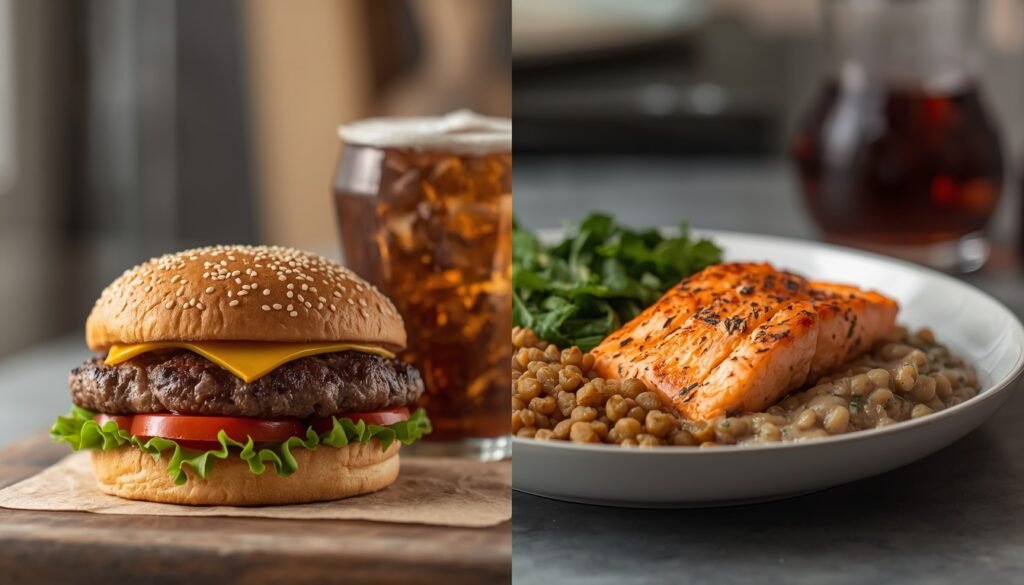
There’s no single superfood for depression, but there are clear winners. Best overall: fatty fish and leafy greens. Best budget pick: lentils, oats, eggs, and bananas. Best for low-energy days: canned sardines, walnuts, and yogurt. Best long-term strategy: a Mediterranean-style pattern you can actually maintain.
Be kind to yourself. Choose one small change, repeat it, and build slowly. To keep building a mood-supportive routine, explore our guides on improving focus and concentration, boosting memory and brain function, and foods that lower cholesterol naturally.
This article is for general information and isn’t medical advice. If you’re feeling hopeless, or having thoughts of harming yourself, contact a doctor, a trusted person, or your local emergency number or crisis line right away.
Frequently Asked Questions
Can food really help with depression? Food can support mood, but it isn’t a stand-alone treatment. Trials of Mediterranean-style diets show meaningful improvements in depressive symptoms for some people, and observational studies link healthy eating patterns with lower risk. Use food alongside therapy, medication, sleep, and movement as advised by your clinician.
What is the single best food for depression? No single food stands out, but fatty fish like salmon and sardines have some of the strongest support because of their EPA and DHA content. Leafy greens, legumes, and olive oil follow closely. Overall pattern matters more than any one item.
How long does it take for diet changes to improve mood? In the SMILES trial, changes were measured after 12 weeks. Some people feel steadier energy within a couple of weeks, but mood improvements generally take longer. Stay consistent and track how you feel.
Which vitamins are linked to depression? Low folate, B12, vitamin D, and zinc have all been associated with depression. Deficiencies can also mimic its symptoms. Ask your doctor for a blood test before supplementing, since more isn’t always better.
Is a Mediterranean diet good for depression? It’s the best-studied pattern. It emphasizes vegetables, fruit, legumes, whole grains, fish, nuts, and olive oil, while limiting processed food. Our Mediterranean meal plan is a good starting point.
Which foods should I limit when my mood is low? Ultra-processed foods, sugary drinks, excess alcohol, and large amounts of caffeine are associated with worse mood and sleep. You don’t need to eliminate them, just reduce them gradually and replace with foods you enjoy.
Can probiotics or fermented foods help? Results are promising but mixed. Fermented foods and some probiotic strains may modestly improve mood and stress, mainly as a support to other care. Yogurt, kefir, and kimchi are easy places to start.
When should I see a doctor? See a doctor if low mood lasts more than two weeks, affects work or relationships, or comes with hopelessness or thoughts of self-harm. If you’re in immediate danger, call your local emergency number straight away.
Author: Adam Last Updated: November 2026