
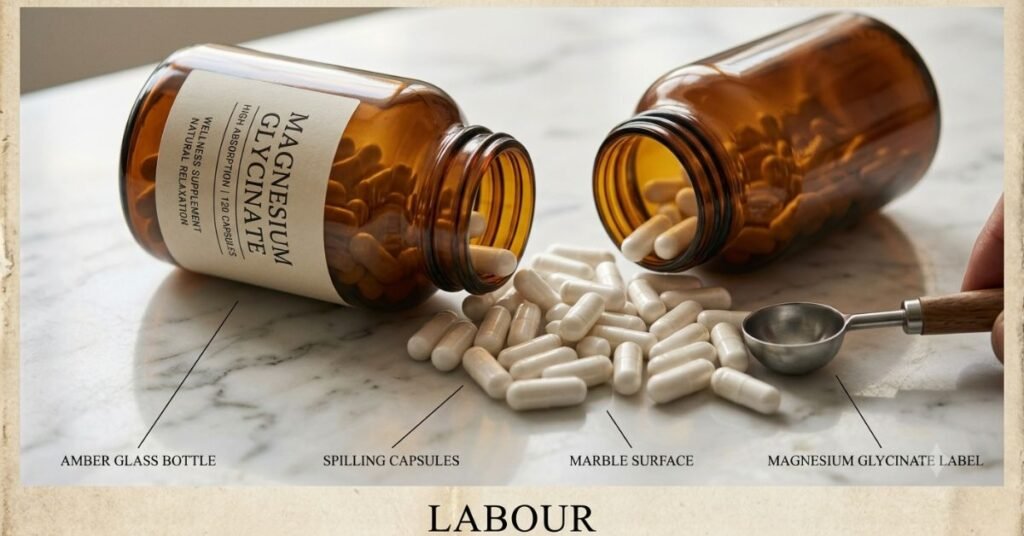
Discover the best melatonin-free sleep aids for 2026 — from magnesium glycinate to L-theanine. Learn how natural, non-hormonal ingredients support deep, restful sleep without morning grogginess.”
If you’ve ever woken up groggier than when you went to bed, or spent the night cycling through unusually vivid, almost cinematic dreams, melatonin might be the culprit rather than the cure. It’s the go-to supplement for millions of people chasing better sleep, but for a lot of us, it either stops working over time or trades one problem (can’t fall asleep) for another (can’t wake up clear-headed).
Here’s the thing: melatonin is a hormone, not a relaxant. It tells your body when to sleep by mimicking your natural circadian signal — it doesn’t actually calm an overactive nervous system or quiet racing thoughts. That mismatch is exactly why so many people feel “hungover” after taking it, or find their body simply stops responding the way it used to.
The good news is that melatonin isn’t the only path to good sleep. A growing category of non-hormonal, natural sleep aids works by calming the nervous system directly — supporting the systems your body already uses to relax — rather than forcing a hormonal shift. This guide breaks down the most evidence-backed, melatonin-free options for 2026, how each one works, how to use it, and what to actually look for on a supplement label.
Top Melatonin-Free Sleep Ingredients

| Ingredient | Best For | How It Works | Grogginess Risk |
| Magnesium Glycinate | Muscle tension, restless sleep | Relaxes muscles, supports GABA activity | Low |
| L-Theanine | Racing thoughts, nighttime anxiety | Promotes alpha brain waves, calms without sedating | Very Low |
| Tart Cherry Concentrate | Natural phytomelatonin + recovery | Contains small amounts of plant-based melatonin & tryptophan | Low |
| Apigenin / Chamomile Extract | Calming an overactive mind | Binds to GABA receptors, mild anxiolytic effect | Low |
| Glycine | Deep sleep, lowering core body temp | Signals the body to cool down and enter sleep mode | Low |
| Valerian Root + Passionflower | Stubborn, “wired but tired” insomnia | Boosts GABA availability; stronger sedative effect | Moderate |
Why Ditch Melatonin? The Science of Non-Hormonal Sleep
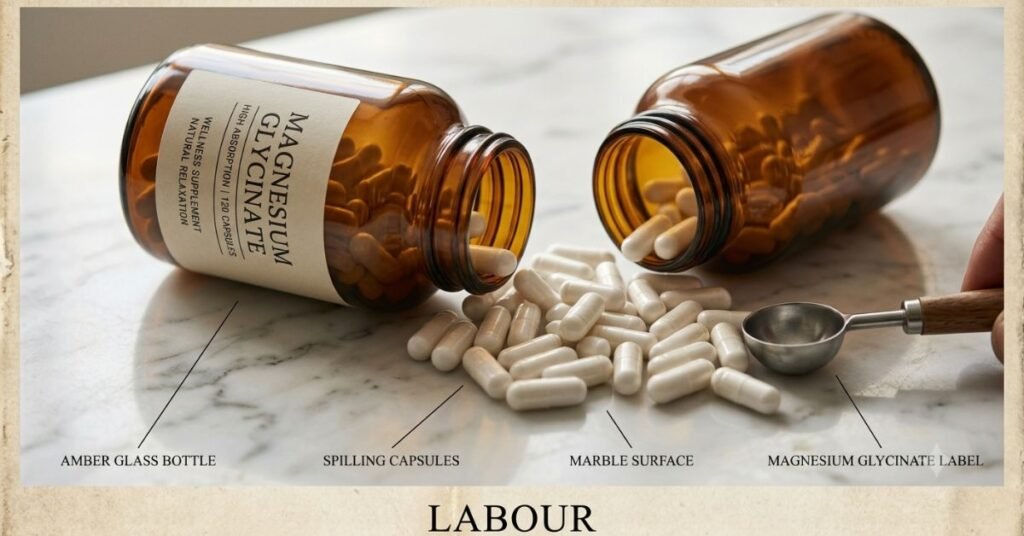
Melatonin works by forcing sleepiness — it’s a timing signal, telling your brain “it’s night now.” Non-hormonal alternatives take a different approach: they calm the nervous system so your body can wind down on its own, the way it’s designed to.
Ingredients like magnesium, L-theanine, and glycine interact with GABA, the brain’s primary calming neurotransmitter, or support processes like body-temperature regulation that naturally precede sleep. Nothing is being overridden — the nervous system is simply being supported.
This distinction matters because of two common melatonin issues:
- The “melatonin hangover”: Taking too much (many OTC doses are far higher than what the body naturally produces) can leave receptors saturated well into the morning, causing grogginess, headaches, or brain fog.
- Tolerance and feedback loops: Regularly supplementing with a hormone your body makes on its own can, over time, blunt its natural production, making it harder to sleep without external help.
Non-hormonal options don’t carry the same risk of disrupting your body’s own signaling.
The Top Melatonin-Free Sleep Ingredients & Picks for 2026
1. Magnesium Glycinate / Bisglycinate — Best for Muscle Relaxation & Restless Sleep
How it works: Magnesium is involved in hundreds of processes tied to relaxation, including regulating GABA activity and easing physical muscle tension. The glycinate (bisglycinate) form is bound to the amino acid glycine, which is gentler on digestion than magnesium oxide or citrate and comes with its own calming benefits.
Ideal dosage: Most formulations range from 200–400 mg taken 30–60 minutes before bed. Start at the lower end to assess tolerance.
Label check: Look specifically for “glycinate” or “bisglycinate” — not just “magnesium,” which could be a cheaper, less bioavailable form. Third-party testing certification (like NSF or USP) is a good trust signal.
2. L-Theanine — Best for Bedtime Racing Thoughts & Anxiety
How it works: This amino acid, found naturally in green tea, promotes alpha brain wave activity — the same relaxed-but-alert state associated with meditation. It doesn’t sedate; it quiets mental chatter so your brain can downshift into sleep naturally.
Ideal dosage: 100–200 mg is the typical effective range, taken about 30 minutes before bed.
Label check: Look for “Suntheanine,” a patented, clinically studied form of L-theanine, as a marker of quality sourcing.
3. Tart Cherry Concentrate — Best for Natural Phytomelatonin & Joint Support
How it works: Tart cherries naturally contain small amounts of melatonin and tryptophan (a melatonin precursor), along with anti-inflammatory compounds. This makes it a gentler, food-based way to nudge melatonin levels without a synthetic mega-dose.
Ideal dosage: Typically 480–500 mg of concentrated extract, or 8 oz of tart cherry juice, in the evening.
Label check: Look for “Montmorency tart cherry” specifically, the variety most studied for sleep and recovery benefits.
4. Apigenin / Chamomile Extract — Best for Calming the Mind
How it works: Apigenin, the active flavonoid in chamomile, binds to the same GABA receptors as anti-anxiety medications, but far more mildly. It’s often described as taking the “edge” off without heavy sedation.
Ideal dosage: 50 mg of concentrated apigenin, or a standard chamomile extract dose, roughly 30–45 minutes before bed.
Label check: Standardized extracts (listing a specific apigenin percentage) are more reliable than generic “chamomile flower” listings, which can vary widely in potency.
5. Glycine — Best for Lowering Core Body Temp & Deep Sleep
How it works: Glycine helps lower core body temperature, one of the body’s natural cues that it’s time to sleep. Several studies link it to improved sleep quality and reduced time to fall asleep, likely through this cooling mechanism plus mild GABA support.
Ideal dosage: 3 grams, taken shortly before bed, is the amount most commonly used in sleep research.
Label check: Glycine is inexpensive and simple — the main thing to check is purity and that it’s not bundled into a vague “sleep blend” that hides the actual dose.
6. Valerian Root + Passionflower Combo — Best Herbal Heavy Hitter
How it works: Valerian root increases GABA availability in the brain, producing a noticeably stronger calming effect than the gentler options above. Passionflower complements it with its own mild anxiolytic action, often smoothing out valerian’s occasionally strong smell and taste.
Ideal dosage: 300–600 mg of valerian root extract, often paired with 250–500 mg of passionflower, 30–60 minutes before bed.
Label check: Because valerian is more potent, look for standardized extracts (e.g., “0.8% valerenic acid”) so you know exactly what you’re getting, and start with a lower dose to see how you respond.
What to Avoid in OTC “Natural” Sleep Aids
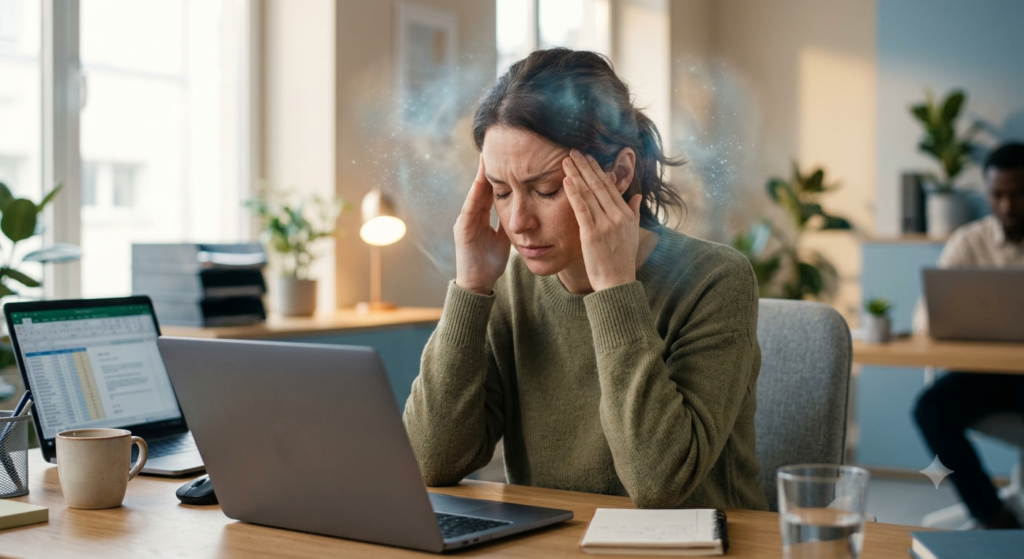
Not everything marketed as “natural” or “melatonin-free” is actually gentle. Watch for:
- Hidden antihistamines: Ingredients like diphenhydramine or doxylamine (common in many “PM” formulas) can knock you out, but they’re linked to next-day memory fog, dry mouth, and — with regular long-term use — have raised concerns in research around cognitive health.
- Proprietary blends: If a label lists a “Sleep Blend” or “Calm Complex” without breaking down individual ingredient amounts, there’s often not enough of the active ingredient to actually work. Transparent labeling is a strong marker of a trustworthy product.
- Excessive stacking: More ingredients isn’t always better. A well-dosed, single-purpose formula often outperforms a kitchen-sink blend with a dozen underdosed extras.
Lifestyle Hacks to Amplify Non-Melatonin Supplements
Supplements work best alongside supportive habits, not as a replacement for them:
- Dim the lights about an hour before bed to support your body’s natural wind-down signal.
- Cool the room to around 65°F (18°C) — this works with, rather than against, ingredients like glycine that lower core body temperature.
- Get morning sunlight exposure within the first hour of waking to help anchor your circadian rhythm, which makes evening relaxation easier.
- Keep a consistent sleep-wake schedule, even on weekends, so your body isn’t relearning its rhythm every few days.
Conclusion & Final Thoughts
There’s no single “best” melatonin-free sleep aid — the right choice depends on what’s actually keeping you up. If it’s a racing mind, L-theanine or apigenin are strong starting points. If it’s physical tension or restlessness, magnesium glycinate or glycine are worth trying first. For more stubborn, “wired but tired” insomnia, the valerian and passionflower combination offers a stronger option.
Non-hormonal sleep aids support the systems your body already uses to relax, rather than overriding them — which for many people means more consistent, natural-feeling rest without the grogginess or tolerance issues melatonin can bring.
Medical Disclaimer: This article is for informational purposes only and is not a substitute for professional medical advice. Always consult a healthcare provider before starting any new supplement, especially if you are pregnant, nursing, taking medication, or managing an existing health condition.