
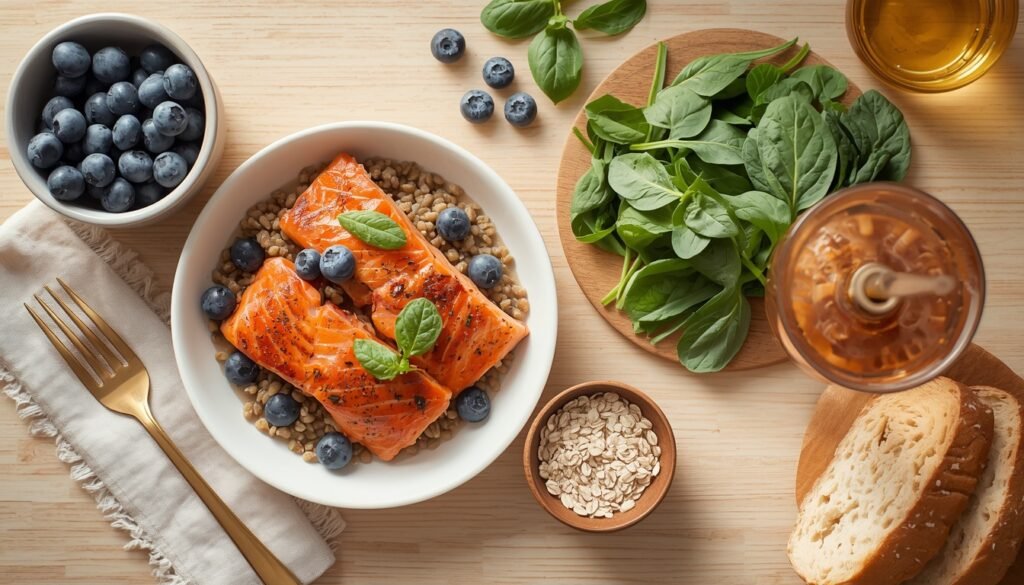
You eat what feels like a perfectly reasonable breakfast, and by 10:30 you’re shaky, foggy, and hunting for something sweet. Or maybe your doctor mentioned a fasting glucose number that’s creeping up, and now you’re staring at a grocery list wondering where to even begin. Either way, the pattern is the same: blood sugar is rising and falling faster than your body would like, and what’s on your plate is one of the biggest levers you can pull.
The good news is that the best foods for blood sugar control aren’t exotic or expensive. Fiber-rich vegetables, beans, intact whole grains, fatty fish, nuts, and unsweetened dairy do most of the work by slowing how quickly glucose enters your bloodstream. That means smaller spikes, fewer crashes, and steadier energy through the day.
Most people go wrong in one of two ways. They cut carbs so aggressively that they feel miserable and quit, or they swap in “healthy” packaged foods that still spike glucose. This guide gives you a better path: 15 proven picks, how each one works, how to combine them, and the mistakes that quietly undo your effort.
If afternoon crashes are your main complaint, our guide to natural energy foods without caffeine pairs well with this one. And if inflammation is part of your picture, start with our anti-inflammatory meal plan for beginners.
Note: This article is educational and isn’t a substitute for medical advice. If you have diabetes or take glucose-lowering medication, talk with your doctor or a registered dietitian before changing how you eat.
Quick Answer
The best foods for blood sugar control depend on what you need most. If you want fewer spikes at meals, build around fiber: non-starchy vegetables, beans and lentils, and steel-cut oats. If you want steadier energy between meals, add protein and healthy fats such as eggs, Greek yogurt, nuts, avocado, and salmon. If you’re rebuilding your breakfast, swap refined cereal for oats with berries and seeds. The guiding principle is simple: pair slow-digesting carbohydrates with fiber, protein, or fat, and your glucose curve flattens.
Table of Contents
- How Food Affects Your Blood Sugar
- How to Choose the Right Foods for Blood Sugar Control
- The 15 Best Foods for Blood Sugar Control
- Comparison Table
- Best Foods for Different Situations
- How to Build a Blood-Sugar-Friendly Plate
- Common Mistakes
- Expert Tips
- Final Thoughts
- Frequently Asked Questions
[IMAGE 2 — Tools Required | Alt text: “overhead flat lay of foods for blood sugar control: beans, oats, spinach, almonds, chia seeds, and Greek yogurt”]
How Food Affects Your Blood Sugar
When you eat carbohydrates, your digestive system breaks them down into glucose, which enters your bloodstream. Your pancreas responds by releasing insulin, the hormone that helps move glucose into your cells for energy. When this system works smoothly, blood sugar rises gently and returns to baseline.
Problems start when glucose arrives too fast or too often. Refined carbohydrates like white bread, sugary drinks, and pastries digest quickly and send glucose surging. Over time, repeated surges can make cells less responsive to insulin, a state called insulin resistance, which is a core feature of prediabetes and type 2 diabetes.
This is why foods for blood sugar control share a few traits. They’re high in fiber, which slows digestion. They’re rich in protein or healthy fat, which blunts the glucose rise from any carbs eaten alongside them. And they’re minimally processed, so the starch is still wrapped in its natural structure and digests slowly.
You’ll often hear about the glycemic index (GI), a score for how quickly a food raises blood sugar. It’s a helpful starting point, but it ignores portion size and what else is on your plate. A food with a moderate GI eaten with protein and vegetables often behaves very differently than it would alone.
Blood sugar also connects to the rest of your body. Stable glucose supports a healthier metabolism, and our guide to the best foods to boost metabolism for weight loss covers the overlap in detail.
How to Choose the Right Foods for Blood Sugar Control
Not every “healthy” food suits every person. Ask yourself three quick questions before you shop.
1. What’s my main goal? If you’re managing diagnosed diabetes, your priority is predictable carbohydrate portions and consistent timing. If you’re working on prediabetes or insulin resistance, focus on swapping refined carbs for fiber-rich ones. If you simply want to end the 3 p.m. crash, protein at breakfast and lunch will usually help most.
2. How do my own numbers respond? Individual responses vary. Two people can eat the same oatmeal and see different glucose curves. If you have a glucose meter or continuous glucose monitor, use it to test your staple foods rather than relying only on general rules.
3. What can I realistically keep up? The best plan is the one you’ll still follow in three months. Frozen vegetables, canned beans, and plain Greek yogurt are inexpensive, shelf-stable, and just as effective as pricey specialty items.
For trustworthy background on eating patterns, the CDC’s diabetes resources are a reliable place to start.
The 15 Best Foods for Blood Sugar Control
We’ve detailed the top five below, then covered the remaining ten more briefly. Every item is a whole food you can find at a regular grocery store.
1. Leafy Greens (Spinach, Kale, Swiss Chard)
Overview: Leafy greens are about as close as you’ll get to a “free” food for blood sugar. They’re extremely low in digestible carbohydrate, yet packed with fiber, magnesium, and antioxidants. Magnesium plays a role in how your body uses insulin, and many people don’t get enough of it.
Key Features:
- Very low in digestible carbs
- Good source of magnesium and fiber
- Adds volume to meals without spiking glucose
- Easy to add to eggs, soups, and smoothies
Best For: Anyone who wants to fill their plate without raising blood sugar.
Pros: ✅ Nearly zero glucose impact ✅ Inexpensive and versatile ✅ Supports overall nutrient intake
Cons: ❌ Some people find raw greens hard to digest ❌ Those on blood thinners need consistent vitamin K intake
Our Verdict: Aim for at least one large handful at lunch and dinner. Sautéed or blended greens are easier on digestion. If you’re also curious about magnesium, see our guide to magnesium supplements for better sleep, but food sources should come first.
2. Lentils, Chickpeas, and Beans
Overview: Legumes combine slow-digesting starch, fiber, and plant protein in one package. A half cup of cooked lentils delivers roughly 8 grams of fiber, which is why they produce a much gentler glucose response than rice or pasta of similar size.
Key Features:
- High in both fiber and protein
- Low to moderate glycemic index
- Cheap, shelf-stable, and filling
- Works in soups, salads, curries, and dips
Best For: Replacing refined starches at lunch and dinner.
Pros: ✅ Excellent satiety ✅ Budget-friendly ✅ Supports gut health
Cons: ❌ Can cause gas if you increase intake too fast ❌ Canned versions may be high in sodium (rinse them)
Our Verdict: If you only make one swap, replace half your usual rice or pasta with lentils or beans. Increase gradually to avoid bloating, and see our constipation relief guide for tips on building fiber comfortably.
3. Steel-Cut Oats
Overview: Oats contain beta-glucan, a soluble fiber that forms a gel in your gut and slows glucose absorption. Steel-cut and rolled oats digest far more slowly than instant packets, which are often sweetened and heavily processed.
Key Features:
- Rich in beta-glucan soluble fiber
- Slower digestion than instant oats
- Also supports healthy cholesterol
- Can be prepped in batches
Best For: A steady, filling breakfast.
Pros: ✅ Long-lasting fullness ✅ Heart-friendly ✅ Easy to customize
Cons: ❌ Longer cooking time ❌ Flavored packets can contain added sugar
Our Verdict: Top your oats with berries, nuts, and seeds so the carbs arrive with protein, fat, and extra fiber. For more on the heart connection, read our guide to foods that help lower cholesterol naturally.
4. Fatty Fish (Salmon, Sardines, Mackerel)
Overview: Fish contains no carbohydrate, so it doesn’t raise blood sugar directly. Its value is in protein and omega-3 fats, which matter because people with high blood sugar face a higher risk of heart disease. Health organizations commonly recommend fish at least twice a week.
Key Features:
- Zero carbohydrate
- High-quality protein
- Rich in EPA and DHA omega-3s
- Supports heart and brain health
Best For: Replacing processed meats and building balanced dinners.
Pros: ✅ Heart-protective fats ✅ Very filling ✅ Quick to cook
Cons: ❌ Fresh fish can be pricey ❌ Some people dislike the taste
Our Verdict: Canned salmon and sardines are budget-friendly and just as nutritious. If you don’t eat fish, our review of omega-3 supplements for brain health explains the alternatives.
5. Berries (Blueberries, Strawberries, Raspberries)
Overview: Berries are among the lowest-sugar fruits and among the highest in fiber. Raspberries provide about 8 grams of fiber per cup. Their anthocyanins and other plant compounds are linked with better insulin response in some studies.
Key Features:
- Lower in sugar than most fruit
- High in fiber and antioxidants
- Frozen berries work just as well
- Satisfies sweet cravings
Best For: Replacing dessert, candy, or fruit juice.
Pros: ✅ Naturally sweet ✅ Nutrient-dense ✅ Great frozen
Cons: ❌ Fresh berries can be costly out of season ❌ Portions still matter
Our Verdict: A cup of berries with plain Greek yogurt makes an excellent snack or dessert. They also support your vision and brain, as we cover in our eye health and memory guides.
More Proven Picks (6–15)
6. Eggs. Zero-sugar, protein-rich, and filling. A protein-forward breakfast like eggs tends to reduce mid-morning cravings compared with a cereal-based one.
7. Plain Greek Yogurt. High in protein with little sugar when unsweetened. Choose plain and add your own berries. It also supports your microbiome, as explained in our 30-day gut health reset plan.
8. Nuts (Almonds, Walnuts, Pistachios). Healthy fats, fiber, and protein in a small handful. An ounce of almonds has around 3.5 grams of fiber. Watch portions, since nuts are calorie-dense.
9. Chia and Flax Seeds. An ounce of chia provides nearly 10 grams of fiber, forming a gel that slows digestion. Stir into oats or yogurt.
10. Avocado. Rich in monounsaturated fat and fiber, with almost no sugar. It also supports healthy pressure levels, a topic we cover in our guide to foods that lower blood pressure naturally.
11. Extra-Virgin Olive Oil. The anchor of the Mediterranean pattern, linked with better metabolic health. Use it to dress vegetables and beans.
12. Barley and Quinoa. Intact whole grains with more fiber and protein than white rice. Barley is especially high in beta-glucan.
13. Sweet Potatoes. A starchy vegetable, but with fiber and a gentler response than white potatoes when eaten with skin and paired with protein. Portion size matters.
14. Broccoli and Other Cruciferous Vegetables. Low in carbs, high in fiber, and rich in sulforaphane, a compound being studied for glucose metabolism.
15. Vinegar (With Caution). Small studies suggest a tablespoon or two, diluted, before a carb-heavy meal may modestly blunt the spike. The evidence is limited, and vinegar can aggravate reflux. If that’s you, see our guide to foods for acid reflux first.
[IMAGE 3 — Before/After | Alt text: “foods for blood sugar control compared with a refined-carb breakfast: oats with berries versus sugary cereal and juice”]
Comparison Table
| Food | Best For | Fiber | Protein | Glucose Impact |
|---|---|---|---|---|
| Leafy greens | Filling the plate | High | Low | Minimal |
| Lentils and beans | Replacing rice or pasta | Very high | High | Low |
| Steel-cut oats | Breakfast | High | Moderate | Low to moderate |
| Salmon and sardines | Dinner protein | None | Very high | None |
| Berries | Sweet cravings | High | Low | Low |
| Eggs | Breakfast and snacks | None | High | None |
| Greek yogurt (plain) | Snacks and dessert | Low | Very high | Low |
| Almonds and walnuts | Snacking | Moderate | Moderate | Minimal |
| Chia and flax | Boosting fiber | Very high | Moderate | Minimal |
| Sweet potato | Healthy starch | Moderate | Low | Moderate |
Best Foods for Different Situations
For Prediabetes and Insulin Resistance
If your labs show elevated fasting glucose or A1C, swapping refined carbs for fiber-rich ones is the highest-impact change. Prioritize beans, lentils, oats, non-starchy vegetables, and nuts, and cut back on sugary drinks first, since liquid sugar hits fastest. Women with PCOS often face the same insulin challenges, and our guide to foods for PCOS hormonal balance goes deeper. Thyroid function can also influence glucose and weight, so see our thyroid health diet guide.
For Type 2 Diabetes
With diagnosed diabetes, consistency matters as much as food choice. Eating regular meals with balanced portions of carbohydrate, protein, and fiber helps keep levels predictable, especially if you take insulin or medication that can cause lows. Because diabetes affects other organs, it’s smart to support them too: see our guides to kidney health and liver health. Always coordinate changes with your care team.
For Energy Crashes and Weight Management
If you don’t have a diagnosis but ride a daily energy rollercoaster, start by adding protein to breakfast and a walk after meals. Low iron can mimic blood-sugar fatigue, so rule it out using our guide to iron-rich foods for anemia and fatigue. Persistent stiffness or inflammation can add to the picture, which our joint pain and arthritis relief guide addresses.
[IMAGE 4 — Step-by-Step Process | Alt text: “hands building a plate with foods for blood sugar control: half vegetables, a quarter protein, a quarter fiber-rich carbs”]
How to Build a Blood-Sugar-Friendly Plate
The simplest method is the “plate method,” widely taught by diabetes educators and described by the NIDDK. It needs no counting and works at home or in restaurants.
Step 1: Start With Vegetables
Fill about half your plate with non-starchy vegetables such as greens, broccoli, peppers, or zucchini. Eating them first can also slow the rest of the meal.
Step 2: Add a Protein
Devote roughly a quarter of the plate to fish, eggs, poultry, tofu, or beans. Protein slows digestion and keeps you full.
Step 3: Choose a Fiber-Rich Carbohydrate
Use the final quarter for lentils, barley, quinoa, sweet potato, or a slice of true whole-grain bread. Keep portions about the size of your cupped hand.
Step 4: Add a Healthy Fat
A drizzle of olive oil, a few nuts, or a slice of avocado improves flavor and further slows glucose absorption.
Step 5: Move After You Eat
A 10 to 15 minute walk after meals helps muscles take up glucose and often lowers the post-meal rise. It’s one of the most underrated habits you can add.
Common Mistakes
Mistake 1: Trusting “healthy” labels. Granola, flavored yogurt, smoothies, and “wholegrain” cereals can contain as much sugar as dessert. Read the label for added sugars and fiber. Skipping meals to compensate backfires too, as stress and hunger can push you toward worse choices.
Mistake 2: Eating carbs alone. A banana or a bagel by itself digests quickly. The same food paired with nut butter, yogurt, or eggs behaves much more gently. If stress eating is part of your pattern, our guide to foods for anxiety and stress relief can help, since stress hormones raise blood sugar directly.
Mistake 3: Ignoring sleep. Even a few nights of poor sleep can reduce insulin sensitivity. If sleep is the bottleneck, see our magnesium supplements for better sleep ranking, and fix the basics first.
Expert Tips
Eat in the right order. Studies suggest starting a meal with vegetables and protein, and saving starches for last, can reduce the post-meal glucose rise compared with eating carbohydrate first. It costs nothing and works with the same meal.
Cool your starches. Cooking and then cooling rice, potatoes, or pasta increases resistant starch, which digests more slowly. Reheating doesn’t fully reverse this, so batch-cooked leftovers can be a smart choice.
Test, don’t guess. If you have a meter or monitor, check your glucose one to two hours after a typical meal. Your own data beats any generic list, including this one.
[IMAGE 5 — Final Result | Alt text: “a balanced plate of foods for blood sugar control: grilled salmon, lentils, roasted broccoli, and olive oil”]
Final Thoughts
Blood sugar control isn’t about perfection or giving up carbohydrates entirely. It’s about choosing slower, fiber-rich foods more often and pairing them with protein and healthy fat. Small, repeatable swaps beat dramatic overhauls.
Best overall: Lentils and beans. Best budget: Frozen vegetables, oats, and canned fish. Best for beginners: The plate method with a post-meal walk. Best for busy mornings: Plain Greek yogurt with berries and chia.
If brain fog or low concentration is your main complaint, continue with our guides on fighting brain fog and improving focus and concentration. And if you’re struggling with mood alongside blood-sugar swings, read our guide to foods for depression.
Frequently Asked Questions
What foods lower blood sugar fastest? No food lowers blood sugar instantly. Fiber-rich, low-carb foods such as leafy greens, beans, and nuts prevent spikes rather than correcting them. If your blood sugar is dangerously high, follow your medical plan and contact your doctor rather than relying on food.
Do I need to avoid carbohydrates completely? No. Your body needs carbohydrates, and fiber-rich ones like beans, oats, and vegetables are beneficial. The goal is choosing slower-digesting sources, controlling portions, and pairing them with protein or fat.
How long does it take for diet changes to affect blood sugar? Post-meal responses change right away, while measures like A1C reflect roughly three months. Most people notice steadier energy within a couple of weeks of consistent changes.
Is fruit bad for blood sugar? Whole fruit is generally fine. Its fiber slows sugar absorption. Berries, apples, and pears tend to be gentlest, while fruit juice and dried fruit raise glucose much faster.
Are eggs okay every day? For most people, yes. Eggs contain no carbohydrate and are filling. If you have high cholesterol or heart disease, ask your doctor what’s right for you.
Oatmeal versus eggs for breakfast: which is better? Both can work. Eggs give zero glucose impact and plenty of protein, while steel-cut oats provide fiber and beta-glucan. Pairing oats with nuts and seeds, or eggs with a slice of whole-grain toast, gives the best of both.
Do cinnamon and apple cider vinegar really work? Research is mixed and effects are modest at best. They can be a small supplement to a good diet but never a replacement for fiber, protein, or medical care.
Why does my blood sugar spike even on healthy foods? Stress, poor sleep, illness, and portion size all matter, and individual responses vary. If you notice a pattern, track it and discuss it with your doctor.
Is it safe to change my diet if I take diabetes medication? Talk to your doctor first. Eating fewer carbohydrates while on insulin or certain medications can cause low blood sugar. Your care team can adjust doses safely.
What’s a good snack that won’t spike my glucose? Try a handful of almonds, plain Greek yogurt with berries, hummus with vegetables, or a hard-boiled egg. Each pairs protein or fat with fiber.
Author: Adam
Last Updated: November 2026