
You checked your blood pressure at the pharmacy kiosk, or your doctor mentioned that top number was creeping up, and now you’re staring at a grocery list wondering what actually helps. It’s a fair question — and a common one. High blood pressure, or hypertension, rarely comes with obvious symptoms, which is part of why it’s sometimes called a “silent” risk factor for heart disease and stroke.
The good news is that food is one of the most well-studied, low-risk tools for managing blood pressure. Diets high in sodium and low in potassium, magnesium, and calcium tend to push numbers up. Reversing that pattern — more leafy greens, more potassium-rich produce, less processed sodium — is the foundation of the DASH eating plan, the diet most consistently linked to lower blood pressure in clinical research.
This guide breaks down the best foods to lower blood pressure naturally, why they work, and how to build them into meals you’ll actually stick with. If you’re also working on cholesterol, our guide to foods that help lower cholesterol naturally pairs well with everything below, since many of the same foods support both.
Quick Answer
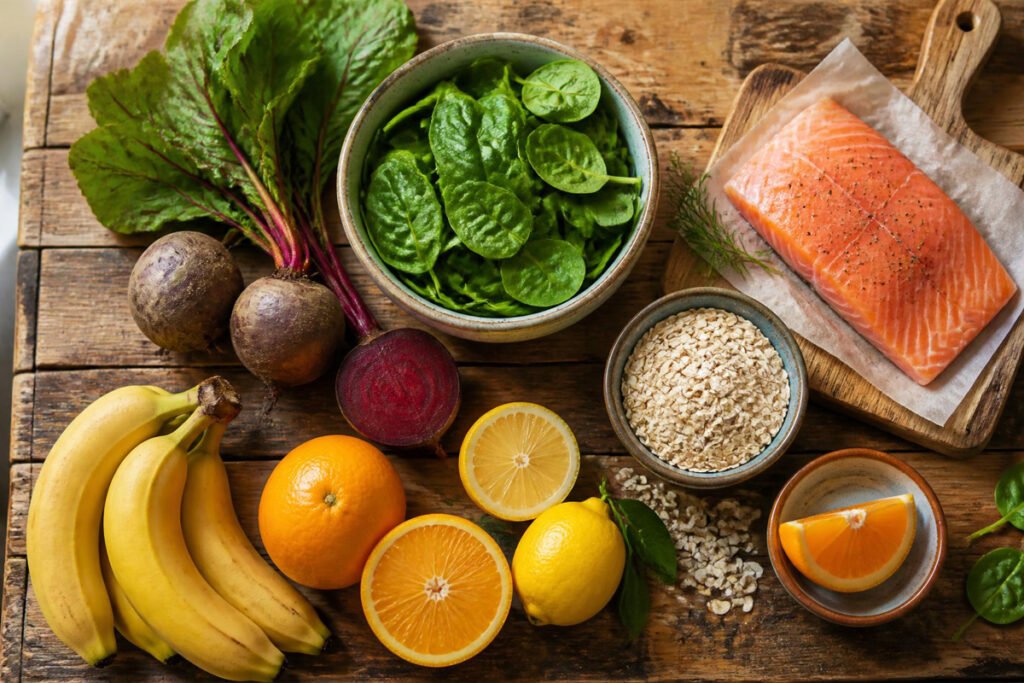
The best foods to lower blood pressure naturally are the ones rich in potassium, magnesium, calcium, and fiber — and low in sodium. If you want a fast start, focus on leafy greens (spinach, Swiss chard) and beets for their nitrates, bananas and citrus for potassium, fatty fish like salmon for omega-3s, and oats or beans for fiber. If sodium is your bigger issue, the priority shifts: cut processed and packaged foods first, since they account for most excess sodium intake, then layer in potassium-rich produce to help offset what’s already in your system. Either way, the underlying principle is the same — eat more whole, plant-forward foods and fewer processed ones.
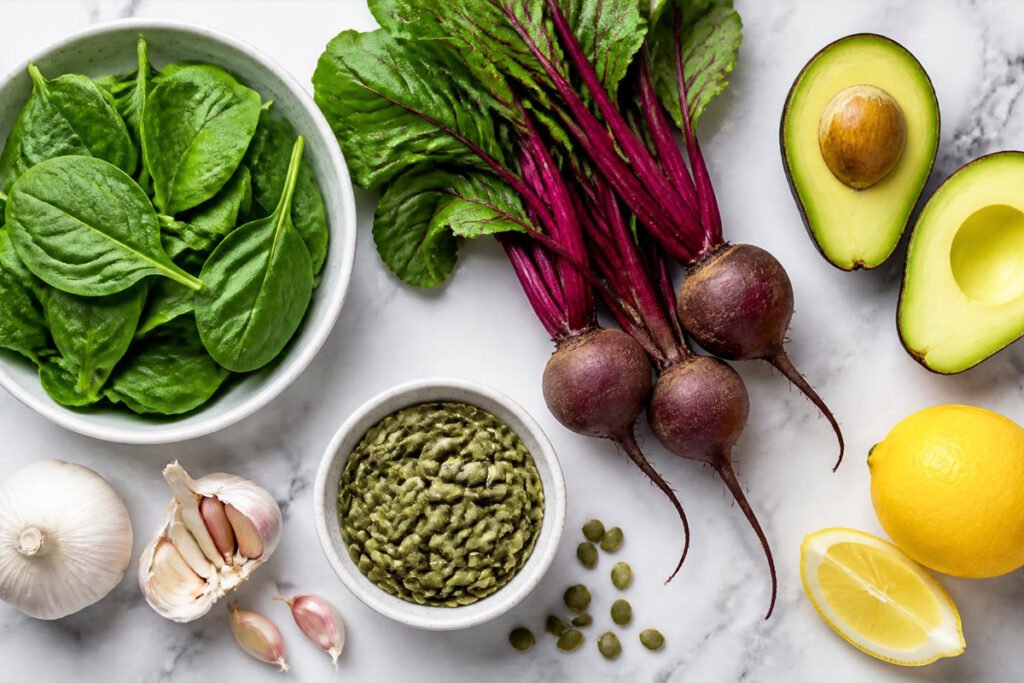
Table of Contents
- How Food Affects Blood Pressure
- How to Choose the Right Foods for You
- 17 Best Foods to Lower Blood Pressure Naturally
- Comparison Table
- Best Foods by Situation
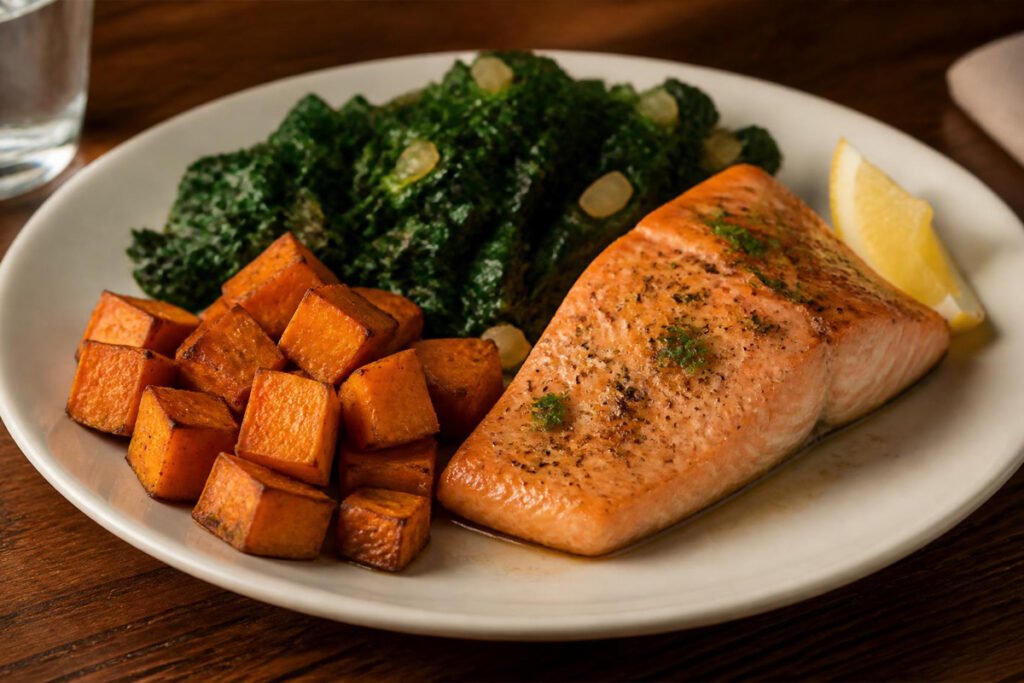
- How to Build a Blood-Pressure-Friendly Plate
- Common Mistakes
- Expert Tips
- Final Thoughts
- FAQ
How Food Affects Blood Pressure
Blood pressure is a measure of how hard your blood pushes against artery walls as your heart pumps. Two things push that number up over time: too much sodium, which causes your body to retain fluid and puts extra pressure on vessel walls, and too little of the minerals — potassium, magnesium, and calcium — that help vessels relax and let sodium pass out of the body more easily.
That balance is exactly what the DASH (Dietary Approaches to Stop Hypertension) eating plan was built around. Developed with backing from the National Heart, Lung, and Blood Institute, DASH centers on vegetables, fruits, whole grains, lean proteins, and low-fat dairy, while limiting sodium, saturated fat, and added sugar. It’s consistently ranked among the top diets for blood pressure because the effect shows up quickly — some studies found meaningful drops within just a few weeks of adopting the pattern, even before sodium was reduced further.
Certain foods also work through more specific mechanisms. Leafy greens and beets, for example, are rich in dietary nitrates, which the body converts into nitric oxide — a compound that helps blood vessels widen. Fatty fish contribute omega-3s, which are linked to reduced blood pressure through several pathways. None of these foods work like medication overnight, but the combined, sustained effect of eating this way is one of the better-supported natural strategies available. If blood sugar is also a concern, our best breakfast foods for blood sugar control guide overlaps closely with these same principles.
How to Choose the Right Foods for You {#how-to-choose}
Before you overhaul your grocery list, ask yourself:
- Is sodium or low potassium/magnesium my bigger issue? If you eat a lot of packaged, restaurant, or processed food, cutting sodium will likely move the needle faster than adding supplements-style “superfoods.”
- Do I have kidney disease or take blood pressure medication? Potassium-rich eating is generally safe for most people, but those with kidney disease or on certain medications (like ACE inhibitors, ARBs, or potassium-sparing diuretics) need to be more careful with high-potassium foods and salt substitutes. Check with your doctor before making major changes.
- What can I realistically sustain? A dramatic short-term diet rarely outperforms a moderate pattern you can keep up for years. DASH is designed as a long-term lifestyle, not a temporary fix.
17 Best Foods to Lower Blood Pressure Naturally {#best-foods}
1. Leafy Greens (Spinach, Swiss Chard, Kale)
Overview: Leafy greens are among the most nitrate-dense foods available, and they pack potassium and magnesium into very few calories. Key Features:
- High in dietary nitrates, potassium, and magnesium
- Low in calories and sodium
- Versatile — raw, sautéed, or blended Best For: Anyone adding a daily vegetable habit Pros: ✅ Nutrient-dense ✅ Cheap and widely available ✅ Works in almost any meal Cons: ❌ Easy to under-eat if you don’t plan for it ❌ Some (like spinach) are also high in oxalates, worth noting if you’re prone to kidney stones Our Verdict: A cup of cooked greens most days is one of the simplest habits on this list. Pair them with the 30-Day Gut Health Reset Plan for a broader whole-food overhaul.
2. Beets
Overview: Beets are one of the most concentrated natural sources of nitrates, which convert to blood-vessel-relaxing nitric oxide. Key Features:
- Very high in nitrates
- Good source of folate and manganese
- Works roasted, juiced, or shredded raw Best For: People who want a food with a fast, well-studied mechanism Pros: ✅ Strong research base for nitrate content ✅ Naturally sweet, easy to like Cons: ❌ Can turn urine or stool pink/red (harmless) ❌ Juice versions are easy to over-consume in sugar Our Verdict: Roasted beets in a salad a few times a week is an easy add without relying on juice.
3. Bananas
Overview: One of the most recognizable potassium-rich foods, bananas are an easy daily habit. Key Features:
- Roughly 400+ mg potassium per medium banana
- Portable, no prep needed
- Also provides fiber and vitamin B6 Best For: Busy mornings or a pre-workout snack Pros: ✅ No prep ✅ Inexpensive ✅ Kid-friendly Cons: ❌ Higher in natural sugar than some fruits ❌ Not ideal for people managing blood sugar closely Our Verdict: A simple, sustainable swap for a processed snack.
4. Citrus Fruits (Oranges, Grapefruit, Lemons)
Overview: Citrus fruits combine potassium with vitamin C and plant compounds that support vessel health. Key Features:
- Rich in potassium and vitamin C
- Naturally low sodium
- Easy to add to water, salads, or as a snack Best For: People who want variety beyond bananas Pros: ✅ Refreshing, versatile ✅ Supports overall immune health too Cons: ❌ Grapefruit interacts with several medications — check with a pharmacist if you take prescriptions Our Verdict: Rotate citrus with other potassium sources rather than relying on one fruit alone.
5. Berries (Blueberries, Strawberries)
Overview: Berries are rich in anthocyanins, plant pigments linked to better blood vessel function. Key Features:
- High in antioxidants and fiber
- Lower in sugar than many fruits
- Freeze well for year-round use Best For: A dessert or snack swap Pros: ✅ Satisfying ✅ Freezer-friendly and affordable frozen Cons: ❌ Fresh berries can be pricier out of season Our Verdict: A daily half-cup to one-cup serving is an easy, evidence-backed habit.
6. Fatty Fish (Salmon, Mackerel, Sardines)
Overview: Fatty fish deliver omega-3 fatty acids, which research links to modest but meaningful blood pressure reductions. Key Features:
- Rich in EPA and DHA omega-3s
- Good source of protein and vitamin D
- Naturally low in sodium (watch smoked/canned-in-brine versions) Best For: Replacing red or processed meat a few times a week Pros: ✅ Strong research support ✅ Doubles as a heart-healthy protein Cons: ❌ Cost can add up ❌ Canned and smoked versions can be high in sodium — check labels Our Verdict: Aim for two servings a week; our omega-3 supplement guide covers options if fish isn’t practical for you.
7. Oats
Overview: Oats bring soluble fiber to the table, which supports both blood pressure and cholesterol. Key Features:
- High in soluble fiber (beta-glucan)
- Naturally low sodium
- Cheap, shelf-stable staple Best For: A daily breakfast habit Pros: ✅ Filling ✅ Inexpensive ✅ Easy to prep ahead Cons: ❌ Flavored/instant packets are often high in added sugar and sodium Our Verdict: Stick with plain oats and add your own fruit; see our best breakfast foods for blood sugar control for more ideas.
8. Beans and Lentils
Overview: Legumes combine potassium, magnesium, and fiber in one inexpensive package. Key Features:
- High in potassium, magnesium, and plant protein
- Very low in sodium when cooked from dry or rinsed from a can
- Filling and budget-friendly Best For: Reducing red meat servings Pros: ✅ Affordable ✅ Highly versatile across cuisines Cons: ❌ Canned versions can be high in sodium unless rinsed or labeled “no salt added” Our Verdict: A few servings a week supports both blood pressure and the fiber goals in our anti-inflammatory meal plan.
9. Garlic
Overview: Garlic has a long history in heart-health research, with some studies linking it to modest blood pressure reductions. Key Features:
- Contains allicin, a sulfur compound studied for vascular effects
- Adds flavor without sodium
- Easy to use daily in cooking Best For: Replacing salt as a flavor source Pros: ✅ Zero sodium, zero calories in typical amounts ✅ Works in almost any savory dish Cons: ❌ Supplement forms vary widely in dose and quality Our Verdict: Cooking with fresh garlic regularly is a low-effort, high-reward habit.
10. Greek Yogurt and Low-Fat Dairy
Overview: Dairy is one of DASH’s core calcium sources, and calcium plays a supporting role in vessel function. Key Features:
- Good source of calcium and protein
- Some fermented options add probiotics
- Low-fat versions align with DASH guidance Best For: Breakfast or a protein-rich snack Pros: ✅ Convenient ✅ Doubles as a protein source Cons: ❌ Flavored yogurts often carry significant added sugar Our Verdict: Choose plain and add your own fruit or a drizzle of honey.
11. Avocados
Overview: Avocados are unusually potassium-dense for a fruit, often outpacing bananas per serving. Key Features:
- High in potassium and monounsaturated fat
- Naturally low sodium
- Filling due to healthy fat content Best For: Replacing butter or mayo as a spread Pros: ✅ Satisfying ✅ Versatile across meals Cons: ❌ Calorie-dense, so portion matters if you’re also managing weight Our Verdict: Half an avocado a few times a week fits comfortably into most eating patterns.
12. Pumpkin Seeds
Overview: A compact source of magnesium, potassium, and arginine — an amino acid involved in blood vessel relaxation. Key Features:
- Magnesium and potassium in a small serving
- Portable, shelf-stable snack
- Unsalted versions keep sodium low Best For: A crunchy snack swap Pros: ✅ Nutrient-dense in small amounts ✅ Easy to portion Cons: ❌ Roasted/salted versions can undo the benefit — choose unsalted Our Verdict: A small handful (about an ounce) makes a smart afternoon snack.
13. Sweet Potatoes
Overview: A potassium-rich starch alternative to white potatoes, with added fiber and beta-carotene. Key Features:
- High in potassium and fiber
- Naturally low sodium when prepared simply
- Versatile — roasted, mashed, or baked Best For: A side dish swap Pros: ✅ Filling ✅ Kid-friendly Cons: ❌ Toppings (butter, added salt) can offset benefits Our Verdict: Roast with olive oil and herbs instead of salt-heavy seasoning blends.
14. Tomatoes
Overview: Tomatoes bring potassium, vitamin C, and lycopene, an antioxidant studied for heart health. Key Features:
- Good potassium source, especially cooked/concentrated forms
- Low in sodium fresh (canned versions vary — check labels)
- Works across cuisines Best For: A base for low-sodium sauces Pros: ✅ Versatile ✅ Adds flavor without salt Cons: ❌ Canned tomato products and jarred sauces are frequently high in sodium Our Verdict: Choose “no salt added” canned tomatoes and season yourself.
15. Celery
Overview: A traditional folk remedy for blood pressure, celery contains compounds called phthalides that have been studied for a mild vessel-relaxing effect, alongside potassium. Key Features:
- Low calorie, high water content
- Contains potassium and phthalides
- Easy raw snack Best For: A crunchy, low-calorie snack Pros: ✅ Very low calorie ✅ Pairs well with other foods on this list (like hummus from beans) Cons: ❌ Evidence is more limited/preliminary compared to nitrate-rich vegetables Our Verdict: A reasonable everyday snack, though not a standalone strategy.
16. Dark Chocolate (in moderation)
Overview: Cocoa flavanols have been linked in research to modest improvements in blood vessel flexibility. Key Features:
- Look for 70%+ cocoa content
- Contains flavanols and some magnesium
- Small servings go a long way Best For: An occasional treat that still supports the goal Pros: ✅ Satisfies a sweet craving without undoing progress Cons: ❌ Easy to overeat ❌ Milk chocolate and candy bars don’t count Our Verdict: A square or two of dark chocolate a few times a week fits reasonably into a DASH-style pattern.
17. Herbal Seasonings (Basil, Oregano, Cumin, etc.)
Overview: Not a single food, but a category worth calling out: herbs and spices replace the sodium that usually comes from salt, bouillon, and packaged seasoning blends. Key Features:
- Zero sodium, zero calories
- Adds flavor complexity that makes low-sodium cooking sustainable
- Works across every cuisine Best For: Anyone struggling to cut sodium without losing flavor Pros: ✅ Makes every other food on this list easier to enjoy ✅ No downside Cons: ❌ Pre-made spice blends often sneak in salt — check labels Our Verdict: This is the single easiest swap on the list and makes everything else more sustainable.
Comparison Table {#comparison-table}
| Food | Best For | Key Nutrient | Sodium Level | Ease of Daily Use |
|---|---|---|---|---|
| Leafy Greens | Daily vegetable base | Nitrates, potassium | Very Low | High |
| Beets | Fast-acting nitrate boost | Nitrates | Very Low | Medium |
| Bananas | Grab-and-go snack | Potassium | Very Low | High |
| Fatty Fish | Protein swap | Omega-3s | Low* | Medium |
| Beans & Lentils | Meat replacement | Potassium, magnesium | Low* | High |
| Avocados | Spread/fat swap | Potassium | Very Low | High |
| Herbal Seasonings | Salt replacement | N/A | None | High |
*Sodium level depends on preparation (canned/smoked versions can be higher — check labels).
Best Foods by Situation {#by-situation}
If You’re Cutting Sodium First
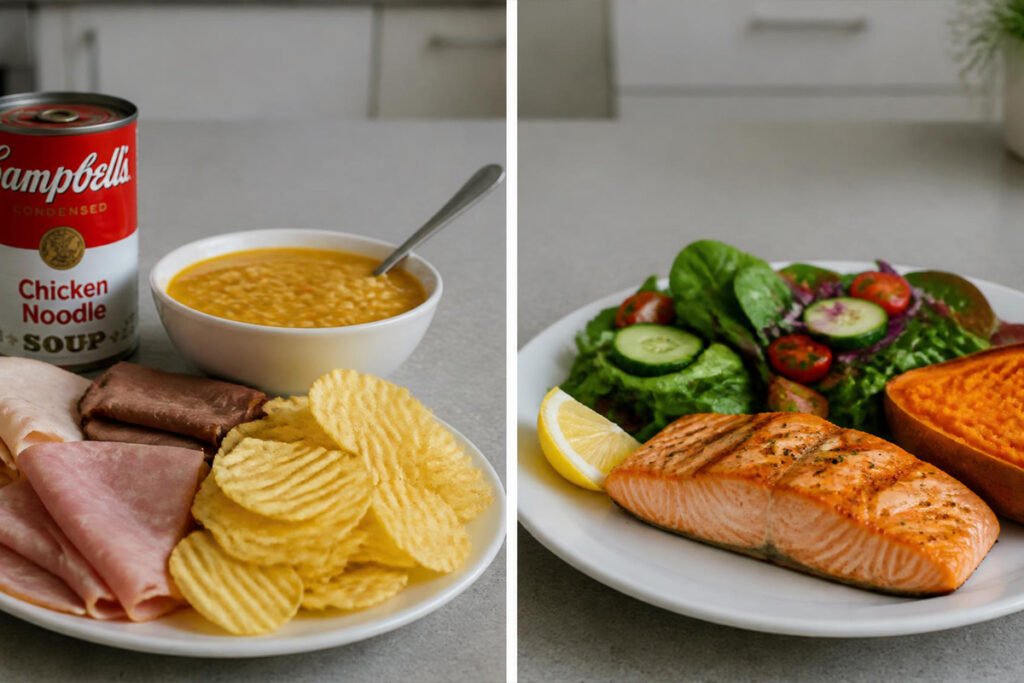
Prioritize fresh, unprocessed versions of everything above. Canned beans, canned tomatoes, and canned/smoked fish are the easiest hidden-sodium traps — rinse canned goods or look for “no salt added” labels. Herbal seasonings become essential here, since they replace the flavor salt was providing.
If You Have Kidney Disease or Are on Certain Medications
High-potassium foods and salt substitutes (which often use potassium chloride) can be risky if your kidneys can’t clear potassium efficiently, or if you’re on medications like ACE inhibitors, ARBs, or potassium-sparing diuretics. This is a case where talking to your doctor before increasing potassium intake matters more than following a general list. Our foods that help lower cholesterol naturally guide covers overlapping heart-healthy choices that are generally lower-risk.
If You’re Also Managing Weight or Blood Sugar
Lean toward the lower-calorie, higher-fiber options — leafy greens, beans, berries, and non-starchy vegetables — and use starchier picks like sweet potatoes and bananas in controlled portions. Pairing this list with our best foods for insulin resistance guide can help you build a plate that supports both goals at once.
How to Build a Blood-Pressure-Friendly Plate {#how-to-build}
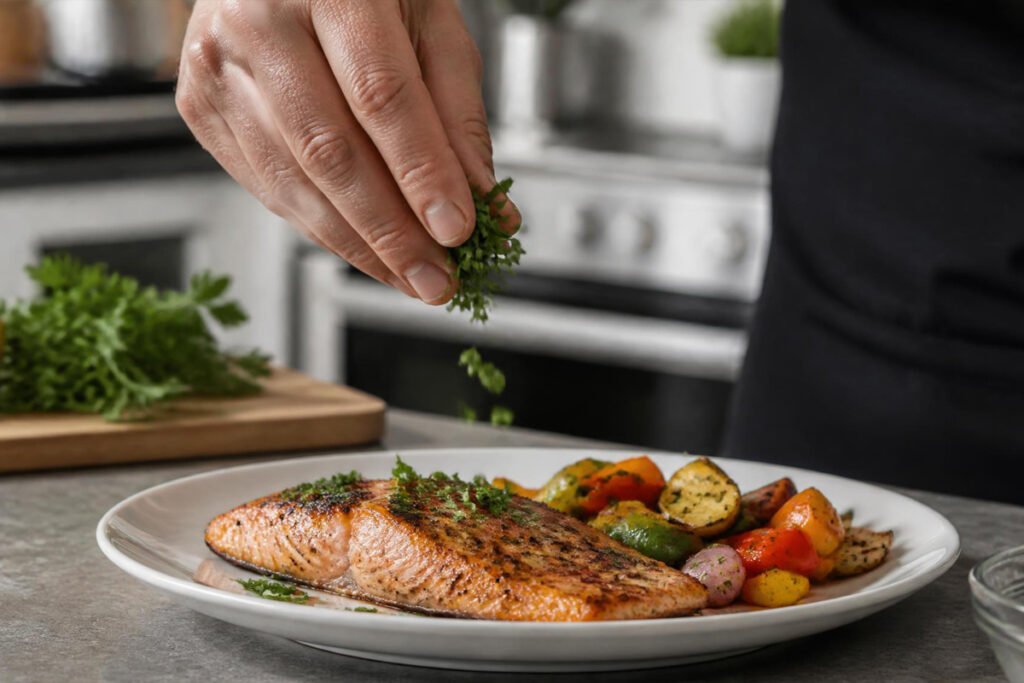
Step 1: Start With Vegetables
Fill half your plate with vegetables — leafy greens, tomatoes, beets, or a mix. This is the single biggest lever for potassium and nitrate intake.
Step 2: Choose a Lean, Low-Sodium Protein
Fatty fish, poultry, beans, or lentils. Skip cured, smoked, or heavily processed meats, which are among the highest-sodium foods in a typical diet.
Step 3: Add a Whole Grain or Starch
Oats, brown rice, quinoa, or a sweet potato — unsalted or lightly seasoned rather than boxed/flavored versions.
Step 4: Season With Herbs, Not Salt
Build flavor with garlic, herbs, citrus, and vinegar before reaching for the saltshaker.
Step 5: Reassess Weekly, Not Daily
Blood pressure responds to sustained patterns, not single meals. Track trends over weeks, and check in with your doctor on progress rather than judging any one day.
Common Mistakes {#common-mistakes}
- Relying on one “superfood” instead of the overall pattern. No single food — not celery, not garlic, not beet juice — replaces a broadly better diet. The DASH research shows the pattern matters more than any one ingredient.
- Overlooking hidden sodium in “healthy” packaged foods. Canned soups, bottled sauces, and even some breads and cereals carry significant sodium. Pairing label-reading with our top calcium-rich foods guide can help you find lower-sodium dairy and plant alternatives.
- Adding potassium-rich foods or salt substitutes without checking medications first. This is especially important for anyone on blood pressure medication or with kidney concerns — a conversation with your doctor takes five minutes and avoids a real risk.
Expert Tips {#expert-tips}
- Batch-cook beans and grains on the weekend. Having low-sodium staples ready to go removes the temptation to reach for a salty, convenient alternative on a busy weeknight.
- Read labels for “sodium per serving,” not just total sodium. A product can look reasonable until you realize the listed serving is a quarter of what you’d actually eat.
- Pair potassium-rich meals with hydration. Adequate water intake supports the kidneys in processing the extra potassium and helps the overall DASH-style pattern work as intended.
Final Thoughts {#final-thoughts}
Best overall: Leafy greens and beets, for their strong nitrate content and easy daily use. Best budget pick: Beans and lentils — cheap, filling, and nutrient-dense. Best for beginners: Bananas and herbal seasonings, since they require zero prep and replace an obvious habit (salty snacking and over-salting food).
None of these foods work like a switch you flip overnight — the research behind DASH and similar patterns points to a cumulative effect over weeks, not days. If you’re also working on cholesterol or blood sugar, our Mediterranean diet meal plan for beginners and foods for insulin resistance guides share a lot of overlap with this list, so you can build one sustainable way of eating rather than juggling separate diets.
Frequently Asked Questions {#faq}
Do I need to cut out salt completely to lower my blood pressure? No. The DASH eating plan targets 2,300 mg of sodium a day for most adults, or 1,500 mg for a stronger effect — not zero. The bigger win usually comes from cutting processed and packaged foods rather than eliminating salt from home cooking entirely.
How long does it take for diet changes to lower blood pressure? Some research on the DASH diet has shown measurable blood pressure reductions within a few weeks of consistent adherence, even before sodium is reduced further. Individual results vary, and medication changes should always be discussed with a doctor rather than adjusted based on diet alone.
Bananas vs. avocados — which has more potassium? Avocados typically edge out bananas in potassium per serving, though both are solid choices. Rotating between the two (and other sources like leafy greens and beans) is more sustainable than relying on just one.
Can drinking beet juice replace eating whole beets? Beet juice delivers concentrated nitrates and can be convenient, but whole beets also provide fiber that juice lacks, and juice can carry more sugar per serving. Both can fit into a blood-pressure-friendly diet — whole beets are generally the better everyday default.
Is it safe to use a salt substitute instead of table salt? Many salt substitutes replace sodium chloride with potassium chloride, which can be a helpful swap for most people but is potentially risky for those with kidney disease or on certain blood pressure medications. Check with your doctor before switching.
What foods should I avoid if I have high blood pressure? The biggest offenders are processed and cured meats, canned soups and sauces without a “no salt added” label, packaged snack foods, and fast food — these account for the majority of excess sodium in a typical diet, far more than the saltshaker at home.
Does caffeine affect blood pressure? Caffeine can cause a short-term spike in blood pressure, particularly in people who don’t consume it regularly, but the effect is generally temporary and doesn’t appear to cause lasting increases with habitual, moderate intake. If you’re sensitive to it, discuss your intake with your doctor.
Can losing weight lower my blood pressure without changing my diet? Weight loss on its own is linked to blood pressure reduction, but diet quality and weight are closely connected — the foods on this list support both goals simultaneously rather than working against each other.
Is the DASH diet the same as a low-sodium diet? Not exactly. DASH emphasizes potassium-, magnesium-, and calcium-rich foods in addition to reducing sodium — it’s a broader eating pattern, not just a sodium restriction.
Should I stop taking my blood pressure medication once my diet improves? No — never adjust or stop a prescribed medication without your doctor’s guidance, even if diet changes are working well. Diet and medication are typically meant to work together, not one replacing the other.
Author: [Site’s established author persona] Last Updated: August 2026
Pingback: 18 Best Foods to Boost Immunity Naturally Guide | nutrieatss
Pingback: 17 Best Foods to Boost Memory and Brain Function Naturally | nutrieatss