
Most of us understand intuitively that food affects how we feel physically. Eat a heavy meal and you feel sluggish. Skip breakfast and you feel irritable and unfocused. But the relationship between what you eat and how you feel emotionally goes far deeper than most people realize — and the science behind it is genuinely remarkable.
An entire field of research called nutritional psychiatry has emerged over the past two decades dedicated to studying the connection between diet and mental health. What researchers have found is striking: the foods you eat directly influence your brain chemistry, your body’s inflammation levels, your hormonal balance, and your ability to regulate stress and emotion. Clinical trials have demonstrated that dietary interventions can be as effective as medication for mild to moderate depression. Specific nutrients are now understood to be essential raw materials for producing the neurotransmitters that govern your mood, motivation, and emotional resilience.
This isn’t about eating perfectly or following a rigid diet plan. It’s about understanding which nutrients your brain actually needs to function at its emotional best — and making informed choices that support your mental health every single day. This guide from NutriEats covers exactly that: the science, the foods, and the practical steps to naturally boost your mood through nutrition.
The Bidirectional Relationship Between Food and Mood
The food-mood relationship works in both directions. When we feel sad, anxious, or stressed, we tend to reach for comfort foods — usually high in sugar, fat, and refined carbohydrates. These foods may provide momentary relief through dopamine release, but they ultimately worsen mood through inflammation, blood sugar crashes, and disrupted gut health.
The other direction is where the real opportunity lies. By consistently eating foods that support brain chemistry, gut health, and inflammation control, you create the biological conditions for stable, positive mood — not just in the short term, but as a sustained baseline.
Understanding this bidirectional relationship is the first step toward using food as a genuine tool for emotional wellbeing. For more evidence-based nutrition guidance, visit NutriEats.
The Neurotransmitter-Nutrient Connection
Your mood is largely governed by neurotransmitters — chemical messengers that carry signals between neurons in the brain. The most mood-relevant neurotransmitters are serotonin, dopamine, GABA, and norepinephrine. Here’s what most people don’t realize: all of these neurotransmitters are synthesized from amino acids and cofactors that come entirely from the food you eat.
Serotonin is often called the contentment neurotransmitter. It regulates mood, sleep, appetite, and social behavior. Low serotonin is closely associated with depression, anxiety, and irritability. Serotonin is synthesized from tryptophan, an amino acid found in turkey, eggs, cheese, tofu, nuts, and seeds. But tryptophan alone isn’t enough — serotonin synthesis also requires adequate vitamin B6, magnesium, and zinc as essential cofactors. Without these nutrients, the conversion process stalls regardless of how much tryptophan you consume.
Dopamine is the motivation and pleasure neurotransmitter. It drives reward-seeking behavior, focus, and the feeling of satisfaction from accomplishing something. Dopamine is synthesized from tyrosine, found in high-protein foods like meat, fish, eggs, and dairy. Its synthesis requires iron, folate, and vitamins B3 and B6. Low dopamine is associated with depression, lack of motivation, brain fog, and difficulty experiencing pleasure.
GABA is the brain’s primary calming neurotransmitter. It counterbalances excitatory signals and is essential for managing anxiety and stress. GABA is synthesized from glutamate, and fermented foods and green tea are particularly supportive of GABA function.
Norepinephrine regulates alertness, energy, and the stress response. Like dopamine, it’s synthesized from tyrosine and requires similar nutritional cofactors.
The critical takeaway is this: nutritional deficiencies in any of these cofactors directly impair neurotransmitter production. When your brain doesn’t have the raw materials it needs, mood instability, depression, anxiety, and emotional reactivity are the predictable result. Eating to support neurotransmitter production is one of the most direct and evidence-based ways to support your mental health.
Key Mood-Supporting Nutrients and Their Food Sources
Omega-3 Fatty Acids (EPA and DHA)
Omega-3 fatty acids — particularly EPA (eicosapentaenoic acid) — are the most consistently supported nutritional intervention for depression in the scientific literature. Multiple meta-analyses have shown EPA to have antidepressant effects comparable to standard medications in cases of mild to moderate depression. Omega-3s work by reducing neuroinflammation, supporting cell membrane fluidity in neurons, and modulating serotonin and dopamine signaling.
The best dietary sources are fatty fish — salmon, sardines, mackerel, herring, and anchovies. Algae oil is an excellent plant-based source of DHA and EPA. Aim for at least two servings of fatty fish per week. For personalized omega-3 guidance, explore NutriEats.
Magnesium
Magnesium is often called nature’s relaxant, and for good reason. It’s required for over 300 enzymatic reactions in the body and plays a central role in regulating the stress response, calming the nervous system, and supporting sleep quality. Modern diets — heavily reliant on refined and processed foods — are widely deficient in magnesium. This deficiency is directly associated with increased anxiety, depression, insomnia, and irritability.
Top food sources include pumpkin seeds (one of the richest sources by weight), dark chocolate, leafy greens like spinach and Swiss chard, almonds, avocado, and black beans. If you’re regularly experiencing anxiety, poor sleep, or muscle tension, inadequate magnesium is worth investigating.
Zinc
Zinc is essential for hippocampal function — the hippocampus is the brain region central to emotional regulation and memory. Zinc is also required for serotonin production and has direct anti-inflammatory effects in the brain. Low zinc levels are consistently found in people with depression, and zinc supplementation has been shown in multiple studies to enhance the effectiveness of antidepressant medications.
The richest dietary source of zinc by far is oysters — a single serving contains more zinc than almost any other food. Other good sources include beef, pumpkin seeds, lentils, and chickpeas.
Vitamin D
Vitamin D functions more like a hormone than a traditional vitamin, regulating hundreds of genes involved in mood regulation, immune function, and brain health. Deficiency is extraordinarily common — particularly in northern latitudes, in people who spend limited time outdoors, and in individuals with darker skin tones. Low vitamin D is strongly associated with depression, seasonal affective disorder, and poor emotional resilience.
Dietary sources include fatty fish, egg yolks, and fortified foods, but sunlight exposure remains the most effective way to maintain adequate vitamin D levels. For many people — especially those living in northern states during winter months — supplementation is necessary to maintain optimal levels. Have your vitamin D levels tested and work with a healthcare provider on appropriate supplementation if needed.
B Vitamins (B12, Folate/B9, and B6)
The B vitamin family is collectively essential for methylation — a fundamental biochemical process that regulates neurotransmitter synthesis, gene expression, and the detoxification of stress hormones. B12 deficiency in particular is strongly associated with depression, cognitive decline, and neurological deterioration. Groups at highest risk for B12 deficiency include older adults (who absorb it less efficiently), people following plant-based diets (B12 is found almost exclusively in animal products), and those taking certain medications like metformin or proton pump inhibitors.
Food sources: B12 is found in meat, fish, eggs, and dairy. Folate is abundant in leafy greens, legumes, and fortified foods. B6 is found in poultry, fish, potatoes, and bananas.
Mood-Supporting Foods to Eat Daily
Fatty Fish
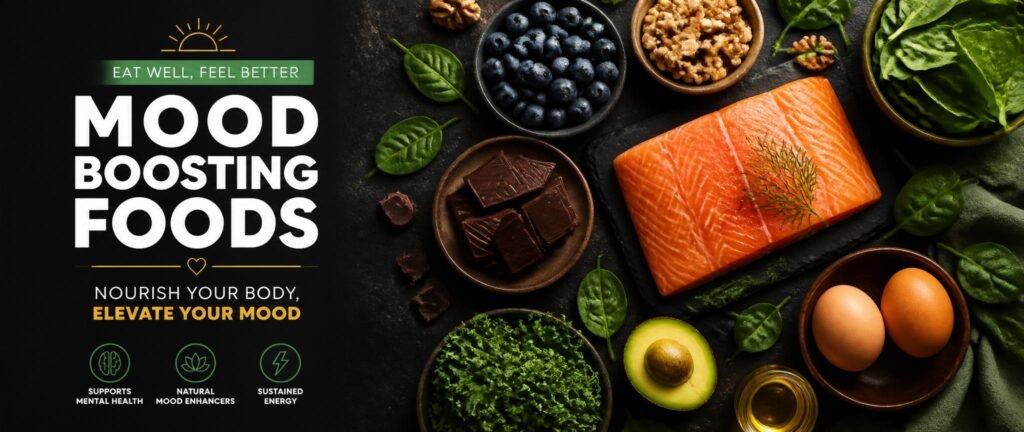
Salmon, sardines, mackerel, and herring provide EPA and DHA omega-3s — the most evidence-backed nutritional intervention for depression available. Aim for two to three servings per week at minimum.
Fermented Foods
This is where the gut-brain connection becomes practically important. The gut produces approximately 90% of the body’s serotonin. The health of your gut microbiome directly influences how much serotonin your gut produces and how effectively it communicates with your brain. Fermented foods — yogurt, kefir, kimchi, sauerkraut, miso, and kombucha — introduce beneficial bacteria that nourish the microbiome and support this gut-brain serotonin pathway. Regular fermented food consumption is associated with lower rates of depression and anxiety in population research.
Dark Chocolate (70%+ Cacao)
Dark chocolate is genuinely good for your mood — and the science backs it up. It contains magnesium, theobromine (a gentle stimulant that improves focus and alertness), and flavonoids that increase cerebral blood flow. Studies show that consuming even a small amount of dark chocolate measurably improves mood, and the pleasure response it triggers directly stimulates dopamine release. Choose chocolate with at least 70% cacao content to maximize the benefits and minimize sugar content.
Walnuts
Walnuts have one of the highest omega-3 contents of any nut (in the form of ALA, which partially converts to EPA and DHA) combined with potent antioxidants. Population studies consistently find that people who eat walnuts regularly report lower rates of depression and better emotional wellbeing scores.
Leafy Greens
Spinach, kale, Swiss chard, arugula, and other leafy greens are dense sources of folate, vitamin K, magnesium, and anti-inflammatory polyphenols. Regular consumption of leafy greens is one of the dietary habits most consistently associated with improved emotional wellbeing and reduced risk of depression across large population studies.
Eggs
Eggs are nutritional powerhouses for brain health. They’re one of the richest sources of choline (essential for neurotransmitter synthesis and cell membrane integrity), tryptophan (the precursor to serotonin), B12, and vitamin D. The combination makes eggs one of the most mood-supportive single foods available.
Berries
Blueberries, strawberries, raspberries, and blackberries are loaded with anthocyanins and other flavonoids that reduce neuroinflammation and protect brain cells from oxidative stress. Studies show that regular berry consumption measurably reduces inflammatory markers that are strongly associated with depression. Add them to yogurt, oatmeal, or eat them as snacks.
Foods That Harm Your Mood — Minimize These
Understanding what to avoid is just as important as knowing what to eat.
Refined Sugar and Ultra-Processed Foods
Multiple large population studies have found that high consumption of refined sugar and ultra-processed foods is associated with two to three times higher rates of depression. These foods drive systemic inflammation, disrupt gut microbiome balance, cause blood sugar instability, and impair the HPA axis — the body’s central stress regulation system. The temporary mood lift from sugar is real but short-lived, followed by a crash that leaves mood lower than before.
Alcohol
Alcohol is a central nervous system depressant despite its initial relaxing effects. Regular alcohol consumption disrupts sleep architecture, depletes B vitamins (particularly B12 and folate), worsens anxiety, and directly suppresses serotonin production over time. If mood is a concern, alcohol reduction is one of the highest-impact changes you can make.
Excessive Caffeine
Moderate caffeine consumption (one to two cups of coffee per day) is generally fine and may even have mild mood-lifting effects. But excessive caffeine — particularly in people sensitive to it — worsens anxiety, disrupts sleep, and indirectly harms mood through sleep deprivation and elevated cortisol.
Skipping Meals
Blood sugar instability is a direct and underappreciated driver of emotional dysregulation. When blood sugar drops significantly between meals, cortisol and adrenaline are released to compensate — creating irritability, anxiety, difficulty concentrating, and emotional reactivity. Eating regular meals with adequate protein and fiber stabilizes blood sugar and creates a far more stable emotional baseline.
The SMILES Trial: Proof That Diet Treats Depression
The most compelling clinical demonstration of diet’s impact on mood came from the 2017 SMILES trial — Supporting the Modification of Lifestyle in Lowered Emotional States — a randomized controlled trial that compared a Mediterranean-style dietary intervention to social support as treatments for major depression.
The results were striking. The dietary intervention group showed significantly greater improvement in depression scores. Remarkably, 32% of participants in the dietary group achieved full remission from depression — compared to just 8% in the social support control group. Diet as a treatment for depression is no longer a fringe concept. It is evidence-based medicine, and nutritional psychiatry is now a recognized clinical discipline.
A Practical One-Week Mood-Boosting Meal Framework
Putting this into practice doesn’t require perfection. Start with these principles from NutriEats:
Include fatty fish at least twice this week. Add one fermented food daily — even just a small serving of yogurt or a spoonful of kimchi. Eat leafy greens at least once per day. Have eggs two to three times this week. Swap refined snacks for a small handful of walnuts or a square of dark chocolate. Drink water consistently and avoid skipping meals.
These six shifts alone will meaningfully change your nutritional support for mood within days to weeks.
Conclusion
Your mood is not fixed. It is not purely determined by genetics, life circumstances, or brain chemistry you have no control over. It is profoundly and consistently shaped by what you eat every single day.
By prioritizing omega-3 rich fatty fish, fermented foods for gut health, magnesium and zinc-rich whole foods, B vitamin sources, and antioxidant-rich berries and greens — while minimizing refined sugar, alcohol, and ultra-processed foods — you create the neurochemical conditions for genuine emotional stability, stress resilience, and lasting wellbeing.
Start with one or two changes today. The shift you feel may surprise you more than you expect.
For more science-backed nutrition guidance to support your health and mood, visit NutriEats.