

Brain fog — that frustrating state of mental cloudiness, difficulty concentrating, slow thinking, and forgetfulness — is one of the most common cognitive complaints of modern life. Most people attribute it to stress, poor sleep, or simply the demands of busy lives. While these factors certainly contribute, an often-overlooked cause is diet.
Certain foods reliably impair cognitive function through a variety of mechanisms: blood sugar disruption, neuroinflammation, gut microbiome damage, and interference with neurotransmitter production. Eliminating or drastically reducing these foods can produce a remarkable improvement in mental clarity, often within days to weeks.
Brain Fog Culprit 1: Refined Sugar and High-Glycemic Carbohydrates

The most direct dietary cause of brain fog is chronically elevated and fluctuating blood sugar. The brain depends on a steady supply of glucose for fuel. When you eat high-glycemic foods — white bread, sugary beverages, pastries, candy, white rice — blood sugar spikes rapidly, triggering an insulin response that drives blood sugar back down.
This blood sugar rollercoaster disrupts brain energy supply, causing the fatigue and mental cloudiness most people recognize as the “afternoon slump.” Over time, chronically high insulin levels reduce brain insulin sensitivity — a process now recognized as a significant risk factor for cognitive decline and Alzheimer’s disease (increasingly referred to as “Type 3 diabetes” by some researchers).
What to do: Replace refined carbohydrates with whole food alternatives. Choose whole grains over refined; sweet potatoes over white potatoes; fruit over fruit juice; water and herbal tea over sugary beverages. Pair all carbohydrates with protein and healthy fat to slow glucose absorption and prevent blood sugar spikes.
Brain Fog Culprit 2: Industrial Seed Oils

Refined vegetable and seed oils — soybean oil, corn oil, sunflower oil, cottonseed oil — are extraordinarily high in omega-6 polyunsaturated fatty acids. In excessive amounts relative to omega-3 intake, omega-6 fats drive systemic inflammation, including neuroinflammation.
Modern diets provide an omega-6 to omega-3 ratio of approximately 15–20:1; the ancestral ratio that our brains evolved with is estimated at 1:1 to 4:1. This radical imbalance promotes brain inflammation that impairs neurotransmitter function, reduces neuroplasticity, and contributes to depression, anxiety, and cognitive difficulties.
What to do: Replace seed oils with extra virgin olive oil, coconut oil, avocado oil, and grass-fed butter for cooking. Read ingredient labels — seed oils hide in almost all processed foods, sauces, dressings, and restaurant cooking.
Brain Fog Culprit 3: Trans Fats

Artificial trans fats (partially hydrogenated oils), while significantly reduced in food supplies since regulatory action in many countries, still appear in some processed foods, fast foods, and commercial baked goods. They are uniquely damaging to brain health, impairing memory, increasing neuroinflammation, and reducing levels of BDNF.
Even naturally occurring trans fats in some animal products, when consumed in excess, may have modest negative effects. Check ingredient labels for “partially hydrogenated oil” — any amount of trans fat is worth avoiding.
Brain Fog Culprit 4: Alcohol

Alcohol is a neurotoxin that directly impairs cognitive function even at moderate doses. Habitual alcohol consumption, even at socially accepted levels, is associated with reduced brain volume (particularly in the hippocampus, the brain’s memory center), impaired memory consolidation, disrupted sleep architecture (reducing restorative deep sleep), and depleted levels of B vitamins essential for brain function.
The “foggy” cognition many people experience in the days following alcohol consumption reflects a complex recovery process involving sleep disruption, dehydration, and direct neurological effects. Regular alcohol consumption normalizes this fog to the point where it becomes invisible — mistaken for simply how the person’s brain functions.
What to do: If mental clarity is a priority, reducing or eliminating alcohol is one of the highest-impact changes you can make. Even a 30-day elimination experiment reveals how dramatically alcohol was affecting your cognition.
Brain Fog Culprit 5: Ultra-Processed Foods

Ultra-processed foods — defined as industrial formulations made mostly from substances extracted or derived from foods, with little or no whole food content — are associated with dramatically increased rates of depression, cognitive decline, anxiety, and accelerated brain aging in epidemiological research.
The mechanisms are multiple: they promote gut dysbiosis (imbalanced microbiome), contain high levels of brain-disrupting food additives, provide excessive omega-6 fats and refined carbohydrates, and are nutritionally bankrupt in the vitamins and minerals the brain needs.
What to do: Adopt a “real food first” approach. If you can’t identify the ingredients as real foods or make the product in your own kitchen, it’s almost certainly ultra-processed. Cook from whole ingredients as often as possible.
Brain Fog Culprit 6: Artificial Sweeteners

Evidence on artificial sweeteners is mixed, but concerning signals are emerging. Some research suggests that certain artificial sweeteners (particularly aspartame and saccharin) negatively affect gut microbiome composition in ways that impair glucose metabolism and may contribute to cognitive difficulties. Aspartame, in particular, produces phenylalanine and methanol as metabolic byproducts, which at high intake may affect neurotransmitter levels.
What to do: If mental clarity is your goal, the safest approach is reducing all sweeteners — artificial and natural — and gradually recalibrating your palate toward less sweetness overall.
The Elimination Experiment
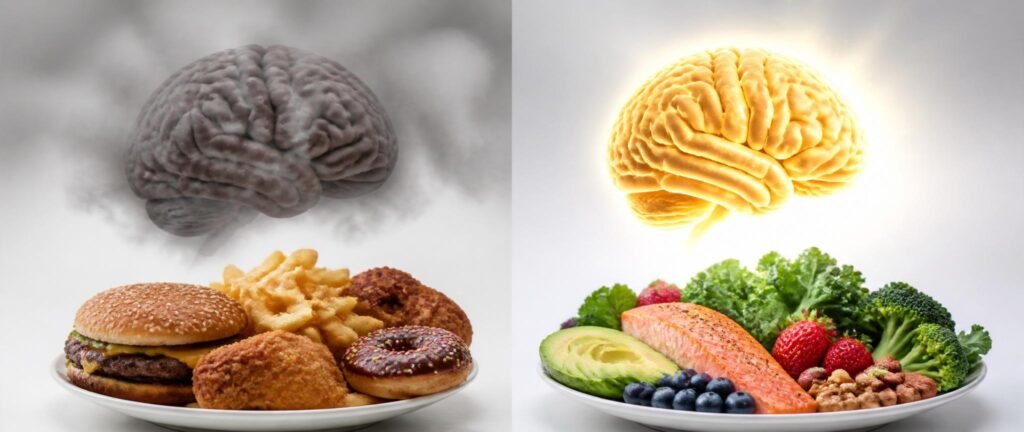
The most effective way to identify which foods are contributing to your brain fog is a structured elimination protocol: remove all the major culprits for 30 days, then systematically reintroduce them one at a time, noting changes in energy, focus, and mood.
Many people experience dramatic improvements in clarity, focus, and emotional stability within the first two weeks of eliminating refined sugar, seed oils, alcohol, and ultra-processed foods — improvements that make the changes more than worth maintaining.
Conclusion
Brain fog is not inevitable. For many people, it is almost entirely dietary in origin — caused by foods that disrupt blood sugar, promote neuroinflammation, damage the gut, and deprive the brain of essential nutrients. By identifying and eliminating the worst offenders and replacing them with whole, brain-nourishing foods, you can experience a level of mental clarity and cognitive energy that reveals how much your diet was quietly holding you back. Your brain deserves better fuel — give it what it needs.