
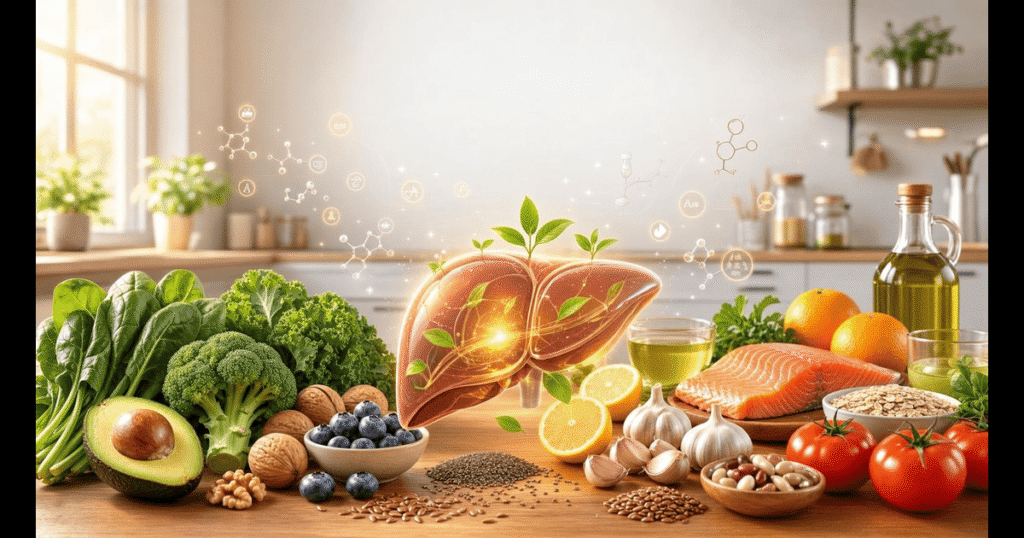
15 science-backed foods that may help reduce liver fat and support fatty liver health, plus a 7-day meal plan and expert lifestyle tips.
Certain foods — like leafy greens, oats, olive oil, fatty fish, and coffee — may help reduce liver fat and support liver health when combined with weight management, exercise, and good sleep. No single food reverses fatty liver alone, but a balanced, fiber-rich, low-sugar diet can meaningfully improve liver fat over time.
If you just found out you have fatty liver, you’re probably feeling two things at once: worried, and a little lost. Maybe your doctor mentioned it almost in passing during a routine blood test or ultrasound, then moved on before you could ask the questions actually keeping you up at night. Is this serious? Did I do this to myself? Can I fix it?
Here’s some good news to hold onto: fatty liver disease is one of the few chronic conditions where your daily choices — especially what’s on your plate — can make a measurable difference. Your liver is also one of the few organs in your body capable of real regeneration and repair.
Fatty liver disease, now more precisely called MASLD (Metabolic dysfunction-Associated Steatotic Liver Disease), has quietly become one of the most common liver conditions in the world. Rising rates of obesity, type 2 diabetes, sedentary lifestyles, and processed food consumption have pushed it into an estimated 1 in 3 to 1 in 4 adults globally, depending on the population studied.
Diet matters here more than almost anywhere else in medicine. This article walks through 15 foods that research links to improved liver fat, liver enzymes, and inflammation markers, along with a practical 7-day meal plan, common mistakes to avoid, and answers to the questions people search for most.
One important note before we start: no single food, supplement, or “detox” reverses fatty liver by itself. What actually helps is a consistent pattern — the right foods, combined with weight management, regular movement, good sleep, and blood sugar control. This article is educational and not a substitute for medical advice. Always talk with your doctor or a registered dietitian before making major changes, especially if you have diabetes, liver disease, or take medications.
What Is Fatty Liver Disease?
Fatty liver disease happens when fat builds up in liver cells beyond what’s normal — generally defined as fat making up more than 5% of the liver’s weight. A small amount of fat in the liver is normal; too much starts to interfere with how the liver functions.
The Changing Terminology: NAFLD, NASH, and MASLD
For years, doctors used the term NAFLD (Non-Alcoholic Fatty Liver Disease) to describe fatty liver not caused by heavy alcohol use. In 2023, major liver associations shifted to a new name: MASLD (Metabolic dysfunction-Associated Steatotic Liver Disease). This change reflects a better understanding that fatty liver is closely tied to metabolic issues like obesity, insulin resistance, and high blood sugar — not just “the absence of alcohol.
When fatty liver progresses to include inflammation and liver cell damage, it’s called MASH (Metabolic dysfunction-Associated Steatohepatitis) — formerly known as NASH. This is a more serious stage that can lead to scarring (fibrosis) and, in some cases, cirrhosis.
Alcohol-Related Fatty Liver Disease (ALD)
Separately, alcohol-related fatty liver disease develops from heavy or long-term alcohol use. It follows a similar pattern of fat buildup but has a different underlying cause and requires alcohol reduction or cessation as a central part of treatment.
Risk Factors
Common risk factors include:
- Being overweight or having obesity, particularly excess abdominal fat
- Type 2 diabetes or insulin resistance
- High triglycerides or poor cholesterol balance
- Metabolic syndrome
- Rapid weight loss or certain medications
- Genetics (some people are predisposed even at a healthy weight)
- Sedentary lifestyle and diets high in added sugar and refined carbohydrates
Symptoms
Fatty liver is often called a “silent” condition because early stages usually cause no symptoms at all. When symptoms do appear, they may include:
- Fatigue
- Mild discomfort or fullness in the upper right abdomen
- Unexplained weakness
Complications
Left unaddressed, fatty liver can progress toward inflammation, fibrosis, cirrhosis, and in rare cases liver failure or liver cancer. It’s also linked to a higher risk of heart disease, since fatty liver and cardiovascular risk often travel together. This is exactly why catching it early — and responding with real lifestyle changes — matters so much.
Can Diet Help Fatty Liver?
Yes — diet is one of the most powerful tools available for supporting liver health, and it’s backed by strong clinical evidence. But it’s important to be precise about what that means.
How Liver Fat Builds Up
Liver fat accumulates mainly from three sources: fat from food, fat made by the liver itself (especially in response to excess sugar and refined carbs), and fat delivered from other body tissue. When you consistently eat more calories — particularly from added sugars and refined starches — than your body uses, the liver converts the surplus into fat and stores it.
Weight Loss Is the Single Biggest Lever
Research consistently shows that losing even 5–10% of body weight can meaningfully reduce liver fat, and losing closer to 7–10% can improve inflammation markers as well. This doesn’t require extreme dieting — gradual, sustainable weight loss through better food choices and activity tends to work best and is easier to maintain.
Exercise
Both aerobic exercise (walking, cycling, swimming) and resistance training help reduce liver fat, independent of weight loss in some studies. Movement improves insulin sensitivity, which directly affects how much fat your liver stores.
Sleep
Poor sleep is linked to insulin resistance and weight gain, both of which contribute to liver fat. Aiming for consistent, quality sleep supports the same metabolic pathways that a good diet does.
Fiber
Fiber slows digestion, improves blood sugar control, feeds beneficial gut bacteria, and helps with satiety — all of which indirectly support liver health.
Healthy Fats
Not all fat is equal. Unsaturated fats from sources like olive oil, nuts, and fatty fish are associated with lower liver fat, while excess saturated and trans fats are associated with more.
Protein
Adequate protein helps preserve muscle mass during weight loss, supports metabolic health, and helps you feel fuller for longer, which makes calorie control easier.
Blood Sugar Control
Because insulin resistance is so closely tied to fatty liver, choosing lower-glycemic carbohydrates and limiting added sugar plays a direct role in reducing liver fat over time.
The bottom line: diet is a genuinely powerful, evidence-backed part of managing fatty liver — but it works best as part of an overall pattern that includes activity, sleep, and, when needed, medical management. No food is a magic fix on its own.
15 Foods That Naturally Support Liver Health
Below are 15 foods with research suggesting a positive association with liver fat, liver enzymes, or inflammation markers. Think of these as smart building blocks for a liver-friendly plate — not standalone remedies.
1. Coffee
Why It Helps: Coffee is one of the most studied foods for liver health. Multiple observational studies link regular coffee consumption with lower liver enzyme levels and a reduced risk of fibrosis progression in people with fatty liver.
Nutrients: Antioxidants (chlorogenic acid), polyphenols, caffeine
Scientific Benefits: Coffee’s antioxidant compounds appear to reduce inflammation and may slow the buildup of scar tissue in the liver.
Best Ways to Eat It: Black or with a small splash of milk. Skip the sugary syrups, whipped cream, and flavored creamers.
Daily Serving Recommendation: 2–3 cups per day, based on the amount studied in most research.
Precautions: Avoid loading it with sugar; limit intake if you have anxiety, insomnia, or are sensitive to caffeine; pregnant individuals should follow their doctor’s caffeine guidance.
Practical Tips: Swap your afternoon soda for a cup of coffee, and try cutting back gradually on added sugar so your taste buds adjust.
2. Leafy Greens
Why It Helps: Spinach, kale, and other leafy greens are high in nitrates, antioxidants, and fiber, and some research links higher intake to lower liver fat percentages.
Nutrients: Fiber, vitamin K, folate, plant nitrates, antioxidants
Scientific Benefits: Compounds in leafy greens may help reduce fat absorption and support fat metabolism in the liver.
Best Ways to Eat It: Sautéed with garlic and olive oil, blended into smoothies, or as a salad base.
Daily Serving Recommendation: 1–2 cups per day.
Precautions: People on blood thinners like warfarin should keep vitamin K intake consistent and check with their doctor.
Practical Tips: Add a handful of spinach to eggs, soups, or pasta — it wilts down and is easy to sneak in.
3. Oats
Why It Helps: Oats are rich in beta-glucan, a soluble fiber that slows digestion and supports healthy blood sugar and cholesterol levels.
Nutrients: Soluble fiber, B vitamins, magnesium
Scientific Benefits: Beta-glucan fiber has been associated with improved insulin sensitivity, which is directly relevant to reducing liver fat.
Best Ways to Eat It: As oatmeal, overnight oats, or added to smoothies and baked goods.
Daily Serving Recommendation: ½ to 1 cup dry oats per day.
Precautions: Watch for added sugar in flavored instant oatmeal packets; choose plain oats and add your own fruit.
Practical Tips: Cook oats with cinnamon and top with berries instead of brown sugar for flavor without the sugar spike.
4. Olive Oil
Why It Helps: Extra virgin olive oil is a cornerstone of the Mediterranean diet, which has some of the strongest evidence of any dietary pattern for reducing liver fat.
Nutrients: Monounsaturated fats, polyphenols, vitamin E
Scientific Benefits: Studies suggest olive oil can help reduce liver fat and improve liver enzyme levels when it replaces saturated fats in the diet.
Best Ways to Eat It: As a salad dressing base, drizzled over vegetables, or used for light cooking.
Daily Serving Recommendation: About 2 tablespoons per day.
Precautions: It’s calorie-dense, so portion control matters, especially if weight loss is a goal.
Practical Tips: Choose “extra virgin” for the highest polyphenol content, and store it away from heat and light to preserve quality.
5. Fatty Fish
Why It Helps: Salmon, mackerel, sardines, and other fatty fish are rich in omega-3 fatty acids, which are linked to reduced liver fat and lower triglycerides.
Nutrients: Omega-3 fatty acids (EPA and DHA), vitamin D, protein
Scientific Benefits: Omega-3s help reduce the fat the liver produces and may lower inflammation associated with fatty liver progression.
Best Ways to Eat It: Grilled, baked, or pan-seared with herbs and lemon.
Daily Serving Recommendation: 2–3 servings (about 3–4 oz each) per week.
Precautions: Choose lower-mercury options and vary your fish choices; those on blood thinners should discuss high omega-3 intake with their doctor.
Practical Tips: Canned salmon or sardines are a budget-friendly, quick way to get more fatty fish into your week.
6. Walnuts
Why It Helps: Walnuts are one of the few nuts with a meaningful amount of plant-based omega-3 fat, and research links nut consumption with improved liver enzyme levels.
Nutrients: Omega-3 (ALA), fiber, healthy fats, antioxidants
Scientific Benefits: The combination of healthy fats and antioxidants in walnuts may help reduce inflammation associated with liver fat buildup.
Best Ways to Eat It: Raw, as a snack, or added to oatmeal, salads, or yogurt.
Daily Serving Recommendation: A small handful (about 1 oz, or 7 whole walnuts) per day.
Precautions: High in calories, so keep portions in check; avoid if you have a tree nut allergy.
Practical Tips: Pre-portion walnuts into small containers so you don’t accidentally eat the whole bag.
7. Avocados
Why It Helps: Avocados are rich in monounsaturated fat and fiber, a combination linked to better metabolic health and lower liver fat in some studies.
Nutrients: Monounsaturated fat, fiber, potassium, vitamin E
Scientific Benefits: Avocado’s fat and fiber combination supports satiety and may help improve cholesterol and triglyceride levels.
Best Ways to Eat It: Sliced on toast, in salads, or blended into smoothies.
Daily Serving Recommendation: ¼ to ½ avocado per day.
Precautions: Calorie-dense — factor it into your overall intake if you’re managing weight.
Practical Tips: Mash avocado with lime and a pinch of salt as a healthier alternative to mayonnaise or butter.
8. Blueberries
Why It Helps: Blueberries are among the highest-antioxidant fruits, and small studies suggest berry-rich diets may help reduce liver fat and improve insulin sensitivity.
Nutrients: Anthocyanins, fiber, vitamin C
Scientific Benefits: Anthocyanins, the pigments that give blueberries their color, have antioxidant and anti-inflammatory properties studied for liver health.
Best Ways to Eat It: Fresh or frozen, added to oatmeal, yogurt, or eaten as a snack.
Daily Serving Recommendation: About 1 cup per day.
Precautions: Watch portions of dried blueberries, which are concentrated in sugar.
Practical Tips: Frozen blueberries are just as nutritious as fresh and often more affordable.
9. Garlic
Why It Helps: Garlic contains sulfur compounds studied for their effect on body weight and liver fat percentage in people with fatty liver.
Nutrients: Allicin, manganese, vitamin B6
Scientific Benefits: Some clinical trials suggest garlic supplementation or regular garlic intake is associated with reduced body fat and liver fat content.
Best Ways to Eat It: Fresh, minced, and added to cooked dishes; let it sit for a few minutes after chopping to boost its active compounds.
Daily Serving Recommendation: 1–2 cloves per day.
Precautions: High doses can cause digestive upset or interact with blood-thinning medications.
Practical Tips: Add minced garlic near the end of cooking to preserve more of its beneficial compounds.
10. Green Tea
Why It Helps: Green tea is rich in catechins, plant compounds studied for their potential to reduce liver fat and support fat metabolism.
Nutrients: Catechins (especially EGCG), antioxidants
Scientific Benefits: Some studies associate regular green tea consumption with modest reductions in liver fat and improved liver enzyme markers.
Best Ways to Eat It: Brewed hot or iced, unsweetened.
Daily Serving Recommendation: 2–3 cups per day.
Precautions: Very high-dose green tea extract supplements have been linked to liver injury in rare cases — stick to brewed tea rather than concentrated supplements, and check with your doctor before using extracts.
Practical Tips: Steep for 2–3 minutes; oversteeping can make it bitter and may reduce the appeal of drinking it regularly.
11. Broccoli
Why It Helps: Broccoli and other cruciferous vegetables have been studied for their potential to reduce fat accumulation in the liver in animal and early human research.
Nutrients: Fiber, sulforaphane, vitamin C, vitamin K
Scientific Benefits: Sulforaphane, a compound formed when broccoli is chopped or chewed, is being studied for its role in supporting the body’s natural detoxification enzymes.
Best Ways to Eat It: Steamed, roasted, or lightly sautéed to preserve nutrients.
Daily Serving Recommendation: 1–1.5 cups, several times per week.
Precautions: Very large amounts may affect thyroid function in people with existing thyroid conditions; cooking reduces this effect.
Practical Tips: Roast broccoli at high heat with olive oil for a caramelized flavor that makes it easier to eat often.
12. Beans and Lentils
Why It Helps: Legumes are high in fiber and plant protein, both linked to better blood sugar control and reduced liver fat.
Nutrients: Fiber, plant protein, resistant starch, folate
Scientific Benefits: The fiber and slow-digesting carbohydrates in legumes help blunt blood sugar spikes, which supports the insulin sensitivity closely tied to liver fat.
Best Ways to Eat It: In soups, stews, salads, or as a side dish.
Daily Serving Recommendation: ½ to 1 cup, cooked, most days of the week.
Precautions: Introduce gradually if you’re not used to high-fiber foods, to reduce bloating.
Practical Tips: Canned beans are a convenient option — just rinse them to reduce added sodium.
13. Citrus Fruits
Why It Helps: Oranges, grapefruit, and lemons are rich in vitamin C and flavonoids studied for their antioxidant effects on the liver.
Nutrients: Vitamin C, flavonoids (like hesperidin and naringenin), fiber
Scientific Benefits: Citrus flavonoids have been studied for their potential to reduce oxidative stress and support healthy fat metabolism in the liver.
Best Ways to Eat It: Whole, rather than juiced, to keep the fiber and limit sugar concentration.
Daily Serving Recommendation: 1–2 whole servings per day.
Precautions: Grapefruit can interact with certain medications, including some statins — check with your pharmacist or doctor.
Practical Tips: Keep whole citrus fruit visible on the counter as an easy grab-and-go snack.
14. Tomatoes
Why It Helps: Tomatoes are rich in lycopene, an antioxidant studied for its potential role in reducing oxidative stress linked to fatty liver progression.
Nutrients: Lycopene, vitamin C, potassium
Scientific Benefits: Lycopene becomes more absorbable when tomatoes are cooked, and some research links higher lycopene levels with better markers of liver health.
Best Ways to Eat It: Cooked into sauces, soups, or roasted, ideally with a little olive oil to boost absorption.
Daily Serving Recommendation: ½ to 1 cup, several times per week.
Precautions: Store-bought tomato sauces can be high in added sugar and sodium — check labels or make your own.
Practical Tips: Roast cherry tomatoes with olive oil and garlic as a simple, liver-friendly side dish.
15. Chia and Flax Seeds
Why It Helps: These tiny seeds are packed with fiber and plant-based omega-3 fat, both associated with improved metabolic markers relevant to liver health.
Nutrients: Omega-3 (ALA), soluble fiber, lignans
Scientific Benefits: The fiber in chia and flax slows digestion and may help improve cholesterol and blood sugar levels over time.
Best Ways to Eat It: Ground flaxseed (for better absorption) or whole chia seeds added to smoothies, oatmeal, or yogurt.
Daily Serving Recommendation: 1–2 tablespoons per day.
Precautions: Increase water intake alongside these seeds since their fiber content can cause constipation if you’re dehydrated.
Practical Tips: Make a quick chia pudding by soaking seeds in milk overnight — an easy, no-cook breakfast.
Quick Reference Table
| Food | Key Nutrient | Main Benefit | Best Serving |
|---|---|---|---|
| Coffee | Chlorogenic acid | May lower liver enzymes | 2–3 cups/day |
| Leafy Greens | Nitrates, fiber | Supports fat metabolism | 1–2 cups/day |
| Oats | Beta-glucan fiber | Improves insulin sensitivity | ½–1 cup dry/day |
| Olive Oil | Monounsaturated fat | Reduces liver fat | 2 tbsp/day |
| Fatty Fish | Omega-3s | Lowers triglycerides | 2–3 servings/week |
| Walnuts | Plant omega-3 | Reduces inflammation | 1 oz/day |
| Avocados | Monounsaturated fat | Improves cholesterol | ¼–½ per day |
| Blueberries | Anthocyanins | Antioxidant support | 1 cup/day |
| Garlic | Allicin | May reduce liver fat % | 1–2 cloves/day |
| Green Tea | Catechins | Supports fat metabolism | 2–3 cups/day |
| Broccoli | Sulforaphane | Supports detox enzymes | 1–1.5 cups, few times/week |
| Beans & Lentils | Fiber, plant protein | Blood sugar control | ½–1 cup/day |
| Citrus Fruits | Flavonoids, vitamin C | Reduces oxidative stress | 1–2 servings/day |
| Tomatoes | Lycopene | Reduces oxidative stress | ½–1 cup, few times/week |
| Chia & Flax Seeds | Omega-3, fiber | Improves cholesterol | 1–2 tbsp/day |
Foods to Avoid
Just as some foods support liver health, others actively work against it. Reducing these is often just as important as adding in liver-friendly foods.
- Sugary drinks: Soda, sweetened juices, and energy drinks are high in fructose, which the liver converts directly into fat. This is one of the most well-established dietary drivers of fatty liver.
- Processed meat: Bacon, sausage, and deli meats are high in saturated fat and sodium, and are linked to worse metabolic markers in several studies.
- White bread and refined grains: These break down quickly into sugar in the bloodstream, contributing to insulin resistance over time.
- Refined carbohydrates: Pastries, white rice in excess, and sugary cereals follow the same pattern as refined grains.
- Deep-fried food: Frying adds excess unhealthy fat and calories, and is associated with higher liver fat in observational studies.
- Excess alcohol: Even in non-alcohol-related fatty liver, alcohol adds extra strain to a liver that’s already working harder than normal.
- Ultra-processed snacks: Chips, packaged cookies, and similar snacks tend to combine refined carbs, unhealthy fats, and added sugar — a combination strongly linked to liver fat accumulation.
7-Day Fatty Liver Meal Plan
This sample plan is meant as a flexible starting point, not a rigid prescription. Adjust portions based on your calorie needs, and check with your doctor or a dietitian for a plan tailored to you, especially if you have diabetes.
Day 1
- Breakfast: Oatmeal topped with blueberries and a tablespoon of chia seeds
- Lunch: Spinach salad with grilled chicken, chickpeas, and olive oil dressing
- Dinner: Baked salmon, steamed broccoli, quinoa
- Snack: A small handful of walnuts and an orange
Day 2
- Breakfast: Greek yogurt with flaxseed and fresh berries
- Lunch: Lentil soup with a side salad
- Dinner: Grilled chicken, roasted tomatoes, sautéed leafy greens
- Snack: Sliced apple with a tablespoon of almond butter
Day 3
- Breakfast: Veggie omelet with spinach and tomatoes, cooked in olive oil
- Lunch: Quinoa bowl with black beans, avocado, and salsa
- Dinner: Baked cod, roasted broccoli, brown rice
- Snack: Carrot sticks with hummus
Day 4
- Breakfast: Overnight oats with chia seeds and sliced banana
- Lunch: Grilled fish tacos on corn tortillas with cabbage slaw
- Dinner: Stir-fried tofu or chicken with mixed vegetables in olive oil
- Snack: A small handful of walnuts
Day 5
- Breakfast: Smoothie with spinach, berries, flaxseed, and unsweetened almond milk
- Lunch: Chickpea and vegetable salad with olive oil and lemon
- Dinner: Grilled salmon, roasted sweet potato, steamed greens
- Snack: Orange slices and a cup of green tea
Day 6
- Breakfast: Whole-grain toast with avocado and a poached egg
- Lunch: Bean and vegetable soup with a side of leafy greens
- Dinner: Baked chicken breast, roasted tomatoes and garlic, brown rice
- Snack: Plain yogurt with a few berries
Day 7
- Breakfast: Oatmeal with walnuts and cinnamon
- Lunch: Mixed grain bowl with lentils, roasted vegetables, and tahini
- Dinner: Grilled fish, sautéed broccoli, quinoa
- Snack: Sliced citrus fruit
Throughout the week, unsweetened coffee, green tea, and water should be the main beverages, with sugary drinks and alcohol minimized or avoided.
Lifestyle Tips Beyond Diet
Food is powerful, but it works best alongside these habits:
- Weight loss: Losing 5–10% of body weight gradually — through a combination of diet and activity — is one of the most effective ways to reduce liver fat.
- Exercise: Aim for at least 150 minutes of moderate activity per week (like brisk walking), plus strength training twice a week if possible.
- Sleep: Prioritize 7–9 hours of consistent, quality sleep — poor sleep is tied to insulin resistance and weight gain.
- Hydration: Water supports every metabolic process in the body, including digestion and the processing of fiber-rich foods.
- Stress management: Chronic stress raises cortisol, which can contribute to weight gain and blood sugar problems over time. Simple practices like walking, breathing exercises, or hobbies you enjoy can help.
- Blood sugar control: Pairing carbohydrates with protein and fiber, and limiting added sugar, helps keep blood sugar — and by extension, liver fat — more stable.
Common Mistakes People Make
- Expecting overnight results. Liver fat typically improves over weeks to months of consistent changes, not days.
- Relying on detox teas or cleanses. These aren’t proven to reverse liver fat and can sometimes do more harm than good.
- Cutting out all fat. Healthy fats like olive oil and fatty fish actually support liver health — the goal is choosing the right fats, not eliminating fat entirely.
- Ignoring portion sizes of “healthy” foods. Nuts, oils, and avocado are nutritious but calorie-dense; overeating them can stall weight loss.
- Skipping exercise and focusing on diet alone. Diet and movement work better together than either one alone.
- Crash dieting or losing weight too fast. Very rapid weight loss can sometimes worsen liver inflammation — gradual is safer and more sustainable.
- Drinking fruit juice instead of eating whole fruit. Juice concentrates sugar and removes the fiber that helps balance it.
- Underestimating added sugar in “healthy” packaged foods. Granola bars, flavored yogurts, and sauces often hide significant added sugar.
- Not addressing sleep or stress. Diet changes are less effective when sleep and stress remain unmanaged.
- Stopping medical follow-up. Feeling better isn’t the same as your liver fat or enzymes actually improving — regular checkups and bloodwork matter.
- Trying to do everything at once. Overhauling your entire diet overnight is hard to sustain — small, steady changes tend to stick better.
Frequently Asked Questions {faq}
Can fatty liver be reversed naturally?**
In many cases, early-stage fatty liver can improve significantly, and sometimes liver fat can return to normal levels, through sustained weight loss, a healthier diet, and regular exercise. More advanced stages with scarring are harder to fully reverse, which is why early action matters and medical guidance is important.
How long does fatty liver take to improve?
Many people see improvements in liver enzymes and liver fat within a few months of consistent lifestyle changes, though timelines vary based on how much weight needs to be lost and individual health factors.
Are eggs good for fatty liver?
Eggs can fit into a liver-friendly diet in moderation. They’re a good source of protein, though people with fatty liver and high cholesterol may want to moderate egg yolk intake and discuss the right amount with their doctor.
Is rice bad for fatty liver?
White rice in large amounts can contribute to blood sugar spikes, but moderate portions, especially paired with protein, fiber, and vegetables, can fit into a balanced diet. Brown rice offers more fiber and is generally a better everyday choice.
Can bananas help fatty liver?
Bananas offer fiber, potassium, and antioxidants, making them a reasonable fruit choice in moderation as part of an overall healthy, balanced diet.
What drinks improve liver health?
Water, unsweetened coffee, and green tea are among the best beverage choices studied for liver health. Sugary drinks and excess alcohol should be limited or avoided.
Is intermittent fasting good for fatty liver?
Some research suggests intermittent fasting may help with weight loss and liver fat reduction for certain people, but it isn’t necessary for everyone and should be approached carefully, especially for people with diabetes. Talk to your doctor before starting.
Can fatty liver cause weight gain?
Fatty liver itself doesn’t directly cause weight gain, but the insulin resistance often associated with it can make weight management more challenging.
Is intermittent fasting safer than a low-carb diet for fatty liver?
Both approaches have research support for reducing liver fat in some individuals; the “best” approach is usually the one you can sustain long term, ideally chosen with guidance from a healthcare provider.
Does exercise alone help without diet changes?
Exercise can reduce liver fat even without significant weight loss, but combining it with dietary changes tends to produce better and faster results.
Can supplements reverse fatty liver?
Some supplements, like vitamin E, have limited evidence for specific fatty liver populations, but they’re not a substitute for diet and lifestyle changes, and should only be used under medical supervision.
When should I see a doctor about fatty liver?
If you’ve been diagnosed with fatty liver, or have risk factors like obesity, diabetes, or high cholesterol, it’s worth having your liver health monitored through regular checkups, bloodwork, and imaging as recommended by your doctor.
Conclusion
Fatty liver can feel overwhelming when you first hear the diagnosis, but it’s also one of the more responsive conditions to the choices you make every day. The 15 foods covered here — from coffee and leafy greens to fatty fish and olive oil — all have research behind them for supporting liver health, reducing liver fat, or lowering inflammation.
None of them work as a stand-alone fix. What actually moves the needle is the bigger picture: a diet built around whole foods, fiber, and healthy fats; regular movement; enough sleep; and steady, gradual weight loss if you have excess weight to lose. Small, consistent changes — swapping soda for water, adding a serving of vegetables, choosing whole grains over refined ones — add up over months into real, measurable improvements in liver health.
If you have fatty liver, or risk factors for it, use this article as a starting point, not a substitute for medical care. Talk with your doctor or a registered dietitian about a plan tailored to your health history, and keep up with the bloodwork and imaging that track your progress. Your liver has a real capacity to heal — and every liver-friendly meal is a step in that direction.