
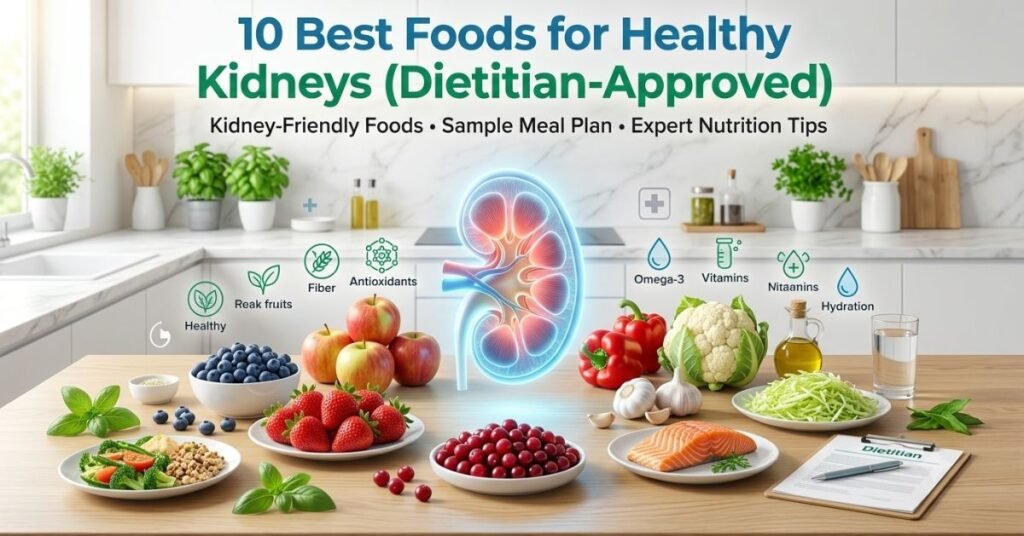
Discover the best foods for healthy kidneys, including dietitian-approved choices, kidney-friendly meal ideas, and nutrition tips to support kidney function naturally.
Your kidneys work around the clock, filtering roughly 150 quarts of blood every single day — yet most of us never think about them until something goes wrong. The encouraging news is that what’s on your plate has a direct, measurable impact on how well these two fist-sized organs do their job. Whether you’re trying to prevent kidney problems, support kidneys that are already under stress, or simply eat in a way that protects your long-term health, food is one of the most powerful tools you have.
This guide breaks down the 10 best foods for healthy kidneys, backed by nutrition science and guidance from organizations like the National Kidney Foundation (NKF) and the National Institute of Diabetes and Digestive and Kidney Diseases (NIDDK). We’ll also cover kidney warning signs, foods to limit, a sample meal plan, and lifestyle habits that make a real difference.
Quick note before we start: This article is written for generally healthy adults who want to support kidney function through everyday food choices. If you have chronic kidney disease (CKD), are on dialysis, or have a related condition, your nutrient needs (especially potassium, phosphorus, protein, and sodium) may be very different — sometimes even opposite — of general healthy-eating advice. Always work with your nephrologist or a renal dietitian for a personalized plan.
How Your Kidneys Work
You have two kidneys, each about the size of your fist, sitting just below your rib cage on either side of your spine. Their main jobs include:
- Filtering waste and toxins out of your blood and turning them into urine
- Balancing fluids in your body so you’re neither dehydrated nor swollen
- Regulating electrolytes like sodium, potassium, and phosphorus
- Controlling blood pressure through hormones and fluid balance
- Producing red blood cells by releasing a hormone called erythropoietin
- Keeping bones strong by activating vitamin D
When kidneys are healthy, all of this happens quietly in the background. When kidney function declines, waste products and fluid can build up in the body, and that imbalance can affect nearly every other organ system, including your heart.
Signs of Poor Kidney Health
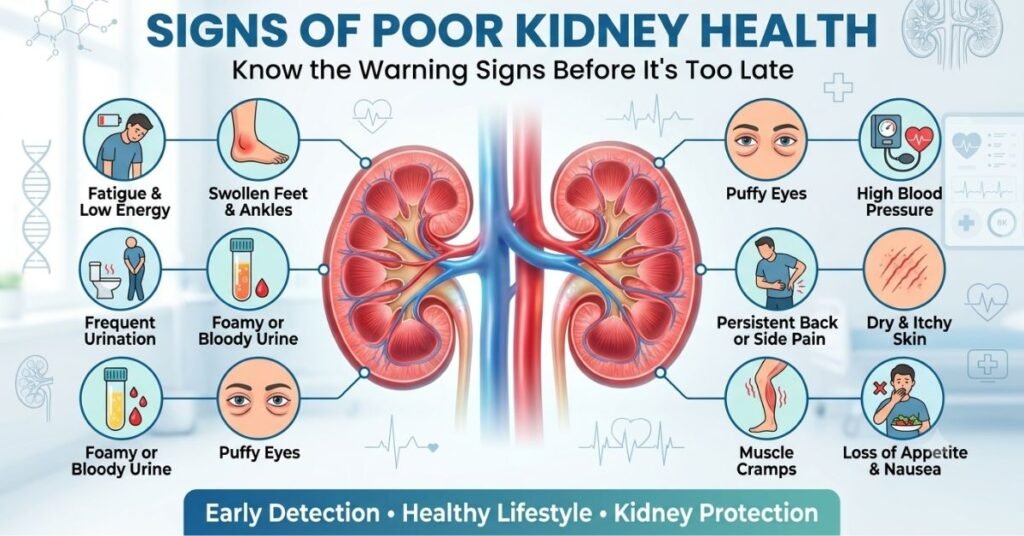
According to the NIDDK, most people in the early stages of kidney disease have no symptoms at all — testing is often the only way to catch it early [3]. As kidney function declines further, symptoms may start to appear, including:
- Swelling in the legs, ankles, feet, or around the eyes (edema)
- Fatigue and low energy
- Changes in urination (foamy urine, more frequent urination, or less urine than usual)
- Persistent itching or dry skin
- Nausea, loss of appetite, or a metallic taste in the mouth
- Muscle cramps, especially at night
- Trouble concentrating or “brain fog”
- Puffiness or swelling that doesn’t go away
The 10 Best Kidney-Friendly Foods
Foods like berries, apples, cauliflower, and red bell peppers are consistently recommended in kidney-healthy eating patterns because they tend to be lower in sodium, potassium, and phosphorus while being rich in antioxidants and anti-inflammatory compounds. Here’s a closer look at 10 standout choices.
1. Red Bell Peppers
Nutritional profile (per ½ cup, raw): ~10 mg sodium, ~110 mg potassium, low phosphorus, high in vitamin C and vitamin A.
Red bell peppers are naturally low in potassium compared to many other vegetables, while delivering a big dose of vitamin C, vitamin A, vitamin B6, and antioxidants like lycopene, which help fight inflammation and oxidative stress — a process closely linked to kidney damage.
Eat them raw with hummus, add to stir-fries, or roast and blend into a low-sodium dip.
: Generally very safe; portion size still matters for anyone tracking daily potassium intake.
2. Cauliflower
Nutritional profile (per ½ cup, cooked): Low in sodium and potassium; good source of vitamin C, folate, and fiber.
Cauliflower is a versatile, low-potassium alternative to higher-mineral vegetables like potatoes. It also contains compounds called glucosinolates that support the body’s natural detoxification processes.
Mash it as a lower-potassium substitute for mashed potatoes, roast it with herbs, or rice it for a grain-free side.
Cruciferous vegetables can cause gas or bloating in some people if eaten in large amounts.
3. Blueberries and Other Berries
Nutritional profile (per ½ cup): Low sodium, moderate potassium, rich in fiber and antioxidants.
Berries are among the most antioxidant-dense fruits available, packed with anthocyanins — plant compounds linked to reduced inflammation and better blood vessel and blood pressure control, both of which matter for kidney health.
Serving tips: Add to oatmeal, yogurt, or eat as a standalone snack.
Fine in normal portions; those on strict potassium limits should still track serving size with a dietitian.
4. Apples
Nutritional profile (per medium apple): Low sodium and potassium, high in fiber (especially pectin), vitamin C.
Apples are a classic kidney-friendly fruit because they’re low in potassium and phosphorus but high in fiber, which supports healthy cholesterol and blood sugar levels — both important for protecting kidney blood vessels over time.
Eat whole with the skin for maximum fiber, slice into salads, or bake with cinnamon for a simple dessert.
Precautions: Choose whole fruit over juice, which lacks fiber and is more concentrated in sugar.
5. Garlic
Nutritional profile: Virtually no sodium, minimal potassium and phosphorus in typical serving sizes.
Garlic is a favorite among renal dietitians because it adds bold flavor without salt — a key strategy for anyone trying to reduce sodium intake, which the NIDDK recommends capping around 2,300 mg per day for most adults [1]. Garlic also contains allicin, a compound studied for its anti-inflammatory and cholesterol-supporting properties.
Use fresh or roasted garlic generously in place of salt-based seasonings.
Precautions: Very high doses of garlic supplements (not food) can interact with blood thinners; food-level amounts are considered safe for most people.
6. Fish Rich in Omega-3s (Salmon, Sardines, Mackerel)
Nutritional profile (per 3 oz, salmon): Moderate sodium (varies by preparation), high-quality protein, rich in omega-3 fatty acids.
Omega-3 fatty acids from fatty fish have been studied for their role in supporting heart health and reducing inflammation. A large pooled analysis of 19 cohort studies found associations between higher omega-3 intake and lower incidence of chronic kidney disease [1].
Bake or grill with lemon and herbs instead of salt-heavy marinades; aim for two servings of fatty fish per week.
Precautions: People with advanced CKD may need to limit overall protein and phosphorus intake — ask a renal dietitian about appropriate portion sizes.
7. Cranberries
Nutritional profile (per ½ cup, fresh): Low sodium, low-to-moderate potassium.
Cranberries contain compounds that may help prevent bacteria from sticking to the urinary tract lining, which is part of why they’re traditionally linked to urinary and kidney health support, including fewer recurrent kidney stones in some studies [1].
Serving tips: Choose unsweetened cranberries or 100% cranberry juice rather than sugary cranberry cocktail drinks.
Precautions: Avoid added-sugar versions; those prone to certain types of kidney stones should discuss cranberry intake with their doctor.
8. Egg Whites
Nutritional profile (per egg white): Very low phosphorus and potassium relative to the whole egg, high-quality protein.
Egg whites provide protein with a favorable phosphorus-to-protein ratio, which is one reason they’re frequently recommended for people managing kidney-related dietary restrictions, as opposed to protein sources higher in phosphorus like organ meats or processed deli meats [4].
Serving tips: Use in omelets, scrambles, or as an egg-white wash for baking.
Precautions: People needing higher overall calorie or fat intake should balance egg whites with other nutrient sources, since the yolk is removed.
9. Cabbage
Nutritional profile (per ½ cup, shredded): Low sodium and potassium, good source of vitamin K and vitamin C.
Cabbage is a low-potassium, low-cost vegetable that’s rich in fiber and phytochemicals with antioxidant properties, making it a staple in many kidney-friendly meal plans, including materials distributed by regional National Kidney Foundation chapters [6].
Serving tips: Use in slaws, stir-fries, or as a low-sodium wrap alternative to tortillas.
Precautions: Can cause bloating in large quantities for some people; otherwise very well tolerated.
10. Olive Oil
Nutritional profile (per tablespoon): No sodium, potassium, or phosphorus; rich in monounsaturated fats.
Olive oil is a phosphorus-free fat source that provides calories without burdening the kidneys the way high-phosphorus processed fats can. Its anti-inflammatory polyphenols also support cardiovascular health, which is closely tied to kidney health since the two systems share blood vessels and blood pressure regulation.
Serving tips: Use for salad dressings, light sautéing, or drizzling over roasted vegetables.
Precautions: Still calorie-dense — moderate portions are important for maintaining a healthy weight.
Quick Comparison Table
| Food | Sodium | Potassium | Standout Nutrient | Best For |
| Red bell peppers | Low | Low | Vitamin C | Antioxidant support |
| Cauliflower | Low | Low | Fiber, folate | Potato substitute |
| Berries | Low | Moderate | Anthocyanins | Anti-inflammatory support |
| Apples | Low | Low | Pectin fiber | Blood sugar/cholesterol |
| Garlic | Very low | Low | Allicin | Salt-free flavor |
| Fatty fish | Moderate | Moderate | Omega-3s | Heart & kidney support |
| Cranberries | Low | Low-moderate | Proanthocyanidins | Urinary tract support |
| Egg whites | Low | Low | High-quality protein | Low-phosphorus protein |
| Cabbage | Low | Low | Vitamin K, fiber | Budget-friendly staple |
| Olive oil | None | None | Monounsaturated fat | Phosphorus-free energy |
Foods to Limit for Kidney Health
The National Kidney Foundation highlights several everyday foods worth cutting back on to protect kidney health, especially because many are hidden sources of sodium or added sugar [5]:
- Soda and sugary drinks — contribute excess sugar and calories with no nutritional benefit
- Processed and deli meats — often very high in sodium and phosphorus additives
- Canned soups and prepackaged meals — frequently loaded with hidden sodium
- Dark colas — contain phosphorus additives that are more easily absorbed than natural phosphorus
- Frozen, heavily processed meals — can hide sodium, sugar, and fat behind convenience
- Salt substitutes made with potassium chloride — can be risky for anyone who needs to limit potassium; check with your doctor first
One-Day Kidney-Friendly Meal Plan
This sample day is designed for general kidney wellness in adults without diagnosed CKD. It emphasizes fresh, minimally processed, lower-sodium foods.
Breakfast: Veggie egg-white omelet with red bell peppers and a side of blueberries
Snack: Apple slices with a small handful of unsalted almonds
Lunch: Grilled chicken salad with cabbage, cucumber, and olive oil–lemon dressing
Snack: Plain yogurt with a drizzle of honey and cinnamon
Dinner: Baked salmon with roasted cauliflower and garlic-sautéed greens
Beverage throughout the day: Water, herbal tea, or unsweetened cranberry juice
Lifestyle Habits That Support Kidney Function
Diet is powerful, but it works best alongside these daily habits:
- Stay well hydrated — water helps your kidneys clear waste efficiently
- Keep blood pressure in a healthy range — high blood pressure is one of the top two causes of kidney disease [3]
- Manage blood sugar if you have diabetes, the other leading cause of CKD
- Exercise regularly to support healthy blood pressure, weight, and circulation
- Limit NSAID painkillers (like ibuprofen) when possible, especially with regular use
- Don’t smoke, since smoking reduces blood flow to the kidneys
- Get regular checkups, including blood pressure and kidney function screening if you’re at higher risk
- Moderate alcohol intake to reduce strain on the liver and kidneys
Frequently Asked Questions
1. What is the number one food for kidney health?
There’s no single “best” food, but red bell peppers are often highlighted because they’re low in potassium while being rich in vitamin C and antioxidants.
2. Can diet reverse kidney damage?
Diet cannot reverse existing structural kidney damage, but a kidney-friendly eating pattern can help slow disease progression and manage related conditions like high blood pressure and diabetes.
3. Is drinking more water good for kidney health?
Staying hydrated supports normal kidney filtration. However, people with advanced kidney disease or on dialysis may need to limit fluid intake — this should be individualized with a healthcare provider.
4. Are bananas bad for kidneys?
Bananas aren’t harmful for people with healthy kidneys, but they’re high in potassium, so people with CKD who need to limit potassium may need to reduce or avoid them.
5. How much sodium is safe for kidney health?
The NIDDK generally recommends no more than 2,300 mg of sodium per day for most adults [1], though people with kidney disease may need a lower target.
6. Is a high-protein diet bad for kidneys?
For people with healthy kidneys, moderate protein intake is generally fine. For those with CKD, very high protein intake can add strain on the kidneys, so protein needs should be individualized.
7. What fruits are good for kidney health?
Apples, berries, and cranberries are commonly recommended because they tend to be lower in potassium while offering fiber and antioxidants.
8. Can I eat dairy if I want healthy kidneys? Dairy in moderate amounts is fine for most people with healthy kidneys, but it’s a source of both potassium and phosphorus, so those with CKD may need to limit it.
9. What are early warning signs of kidney problems? Fatigue, swelling in the legs or face, changes in urination, and persistent itching can be early signs, though many people have no symptoms until kidney disease is more advanced [3].
10. Should everyone follow a “renal diet”?
No. Strict renal diets that limit potassium, phosphorus, and protein are designed for people with diagnosed kidney disease. Healthy individuals generally benefit more from a balanced, whole-food, lower-sodium diet without unnecessary restriction.
Key Takeaways
- Kidneys filter waste, balance fluids and electrolytes, regulate blood pressure, and support bone and blood health.
- Many people with early kidney disease have no symptoms — regular checkups matter, especially with diabetes or high blood pressure.
- Red bell peppers, cauliflower, berries, apples, garlic, fatty fish, cranberries, egg whites, cabbage, and olive oil are widely recommended kidney-friendly foods.
- Limiting sodium, added sugar, and heavily processed foods supports kidney health for most adults.
- People with CKD have individualized nutrient needs (potassium, phosphorus, protein) that can differ significantly from general healthy-eating advice — always work with a nephrologist or renal dietitian.
Medical Disclaimer
This article is for educational purposes only and is not a substitute for professional medical advice, diagnosis, or treatment. Nutritional needs vary significantly based on individual health status, kidney function, and stage of kidney disease. Always consult a physician, nephrologist, or registered dietitian before making significant dietary changes, especially if you have chronic kidney disease or another medical condition.