
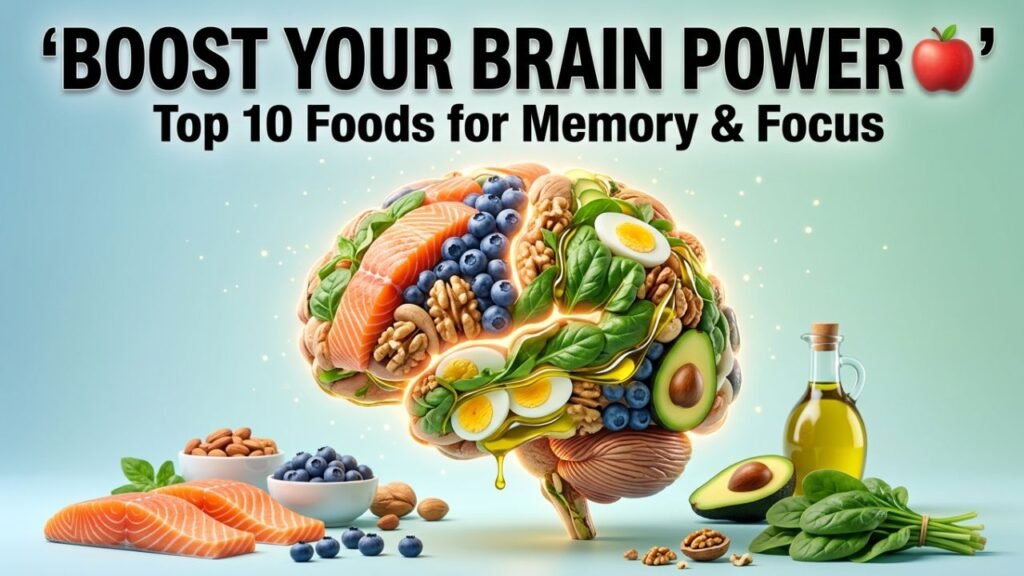
Your brain is the most metabolically active organ in your body, consuming roughly 20% of your daily caloric intake despite representing only about 2% of your body weight. Every thought you think, every emotion you feel, every memory you recall is the product of complex biochemical processes powered entirely by the nutrients you eat.
This means that what you put on your plate directly influences how sharply you think, how stable your mood is, how well you concentrate, and how effectively your brain protects itself against age-related decline. The science of nutritional neuroscience has advanced dramatically in recent decades, and the evidence is clear: the right foods can meaningfully enhance brain function at any age.
Here are the ten most powerful brain-supporting foods you can add to your diet today.
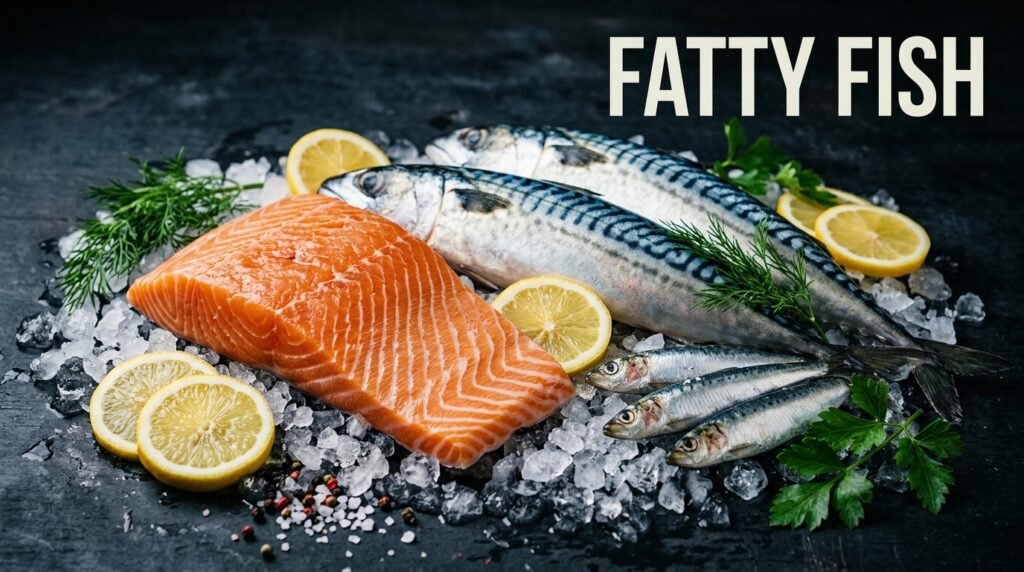
1. Fatty Fish (Salmon, Mackerel, Sardines, Herring)
Fatty fish is the single most important food for brain health, and for good reason. The human brain is approximately 60% fat, and the most critical of these fats are the long-chain omega-3 fatty acids DHA (docosahexaenoic acid) and EPA (eicosapentaenoic acid) — found in concentrated amounts in fatty fish.
DHA is a primary structural component of brain cell membranes and is essential for the growth, function, and communication of neurons. Research consistently links higher omega-3 intake with better memory, reduced risk of depression, slower cognitive decline with aging, and reduced risk of Alzheimer’s disease.
Aim for two to three servings of fatty fish per week. Wild-caught salmon, mackerel, sardines, and herring are all excellent choices. If you don’t eat fish, algae-based omega-3 supplements provide DHA from the original source (fish get their omega-3s from eating algae).
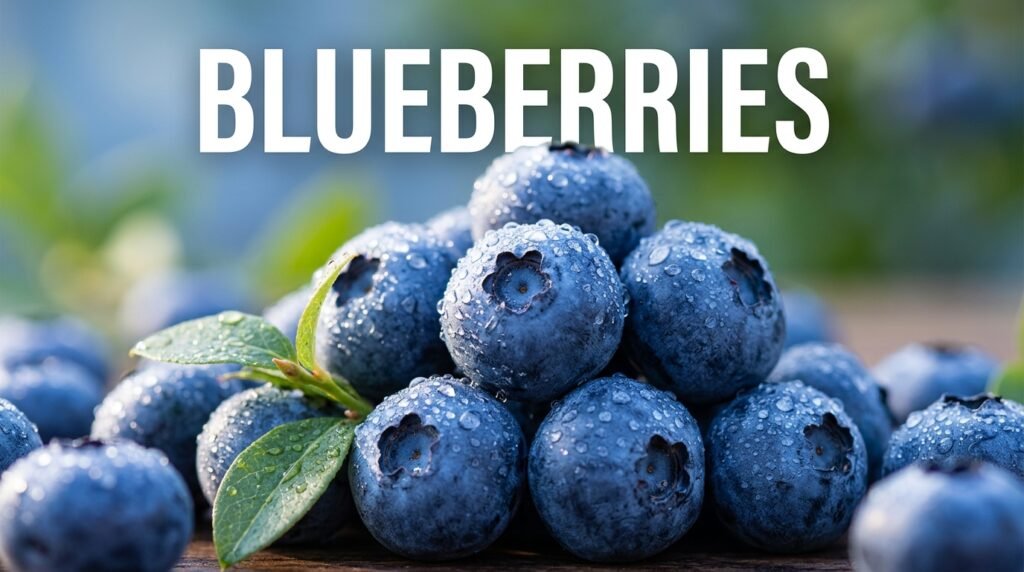
2. Blueberries
Blueberries are perhaps the most well-studied brain food in nutritional science. Their extraordinary brain benefits come primarily from a family of plant compounds called anthocyanins — the pigments that give blueberries their deep blue-purple color.
Anthocyanins cross the blood-brain barrier and accumulate in brain regions associated with learning and memory. They reduce oxidative stress and inflammation in the brain, improve communication between brain cells, and increase the production of BDNF (brain-derived neurotrophic factor) — a protein that promotes the growth of new neurons.
Human studies have found that regular blueberry consumption improves memory and learning in older adults, reduces the risk of cognitive decline, and may even slow the progression of neurodegenerative diseases. Even a single serving of blueberries has been shown to temporarily improve cognitive performance in the hours following consumption.
Eat a cup of fresh or frozen blueberries daily. They’re equally beneficial fresh or frozen — freezing actually increases anthocyanin availability in some studies.
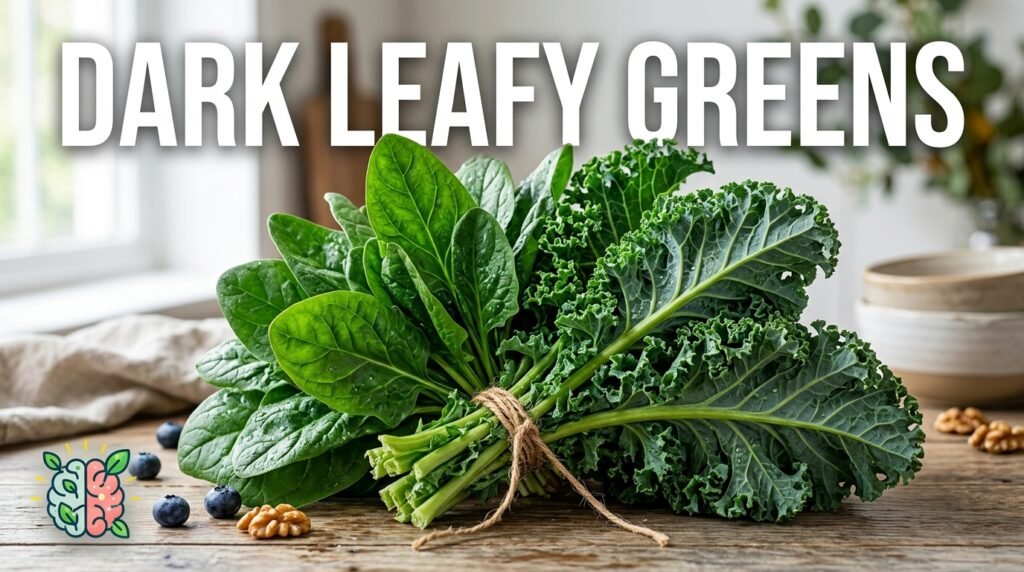
3. Dark Leafy Greens (Spinach, Kale, Collard Greens)
Dark leafy greens are nutritional powerhouses for brain health, packed with vitamins K, folate, beta-carotene, and lutein — all associated with slower cognitive decline.
Vitamin K is particularly interesting: it plays a role in synthesizing sphingolipids, a type of fat densely packed in brain cells. Studies of older adults consistently show that those who eat one to two servings of leafy greens daily have cognitive performance equivalent to people 11 years younger than those who rarely eat greens.
Folate (vitamin B9) in leafy greens is critical for reducing homocysteine — an amino acid that at elevated levels is toxic to neurons and strongly associated with increased risk of Alzheimer’s disease and depression.
Aim for two to three cups of leafy greens daily. Spinach, kale, Swiss chard, romaine lettuce, and collard greens are all excellent choices. Cooking doesn’t destroy these nutrients significantly — eat them raw or cooked according to your preference.
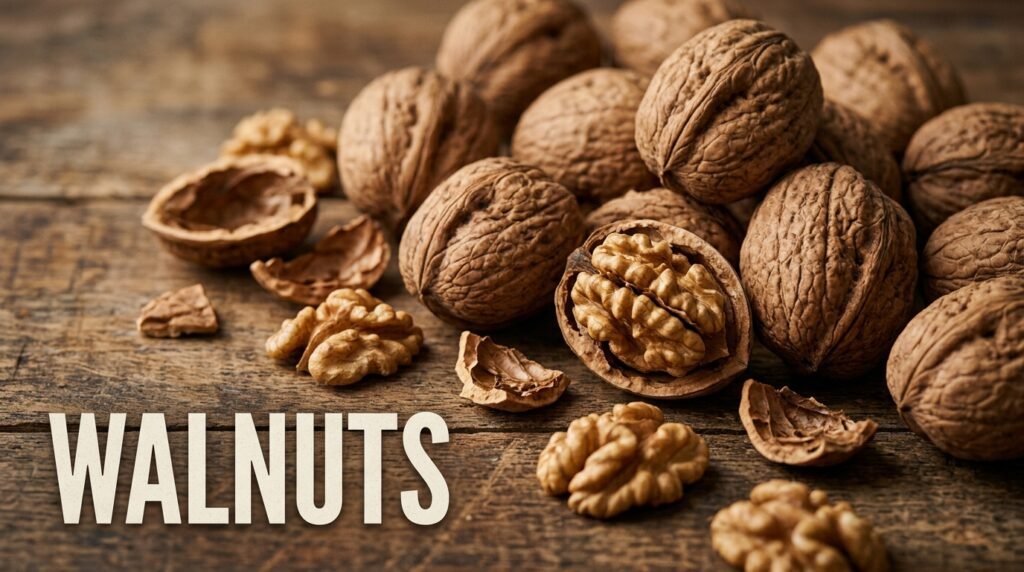
4. Walnuts
If you’re choosing one nut for brain health, make it walnuts. They’re the only nut with a significant amount of ALA (alpha-linolenic acid), a plant-based omega-3 that the body can partially convert to DHA.
But walnuts’ brain benefits extend well beyond omega-3s. They’re rich in vitamin E, polyphenols, and magnesium — all of which protect against neuroinflammation and oxidative stress. Studies have linked regular walnut consumption with better memory, faster processing speed, and reduced risk of cognitive decline.
The recommended amount is a small handful (about 7 whole walnuts or 14 halves) per day. Add them to oatmeal, salads, yogurt, or eat them as a standalone snack.
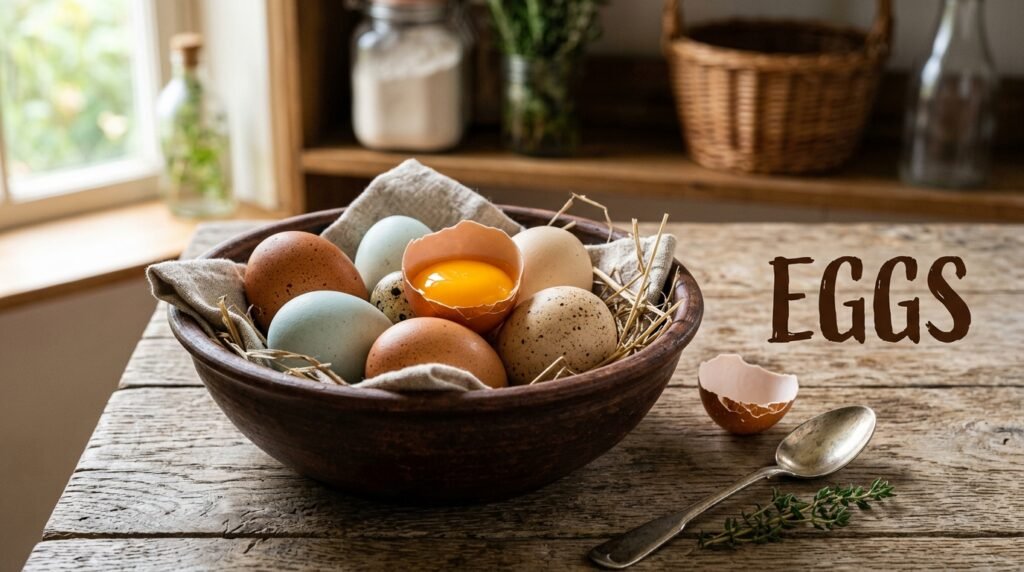
5. Eggs
Eggs are one of the richest dietary sources of choline — a nutrient most people don’t get enough of that is critically important for brain health. Choline is a precursor to acetylcholine, a neurotransmitter essential for memory formation and muscle control.
Adequate choline intake during pregnancy is particularly critical for fetal brain development. But throughout life, choline supports the structural integrity of cell membranes, reduces neuroinflammation, and protects against age-related memory decline.
Two to three eggs per day provide most adults with adequate choline. The yolk contains virtually all of the choline, so eat whole eggs — not just whites.
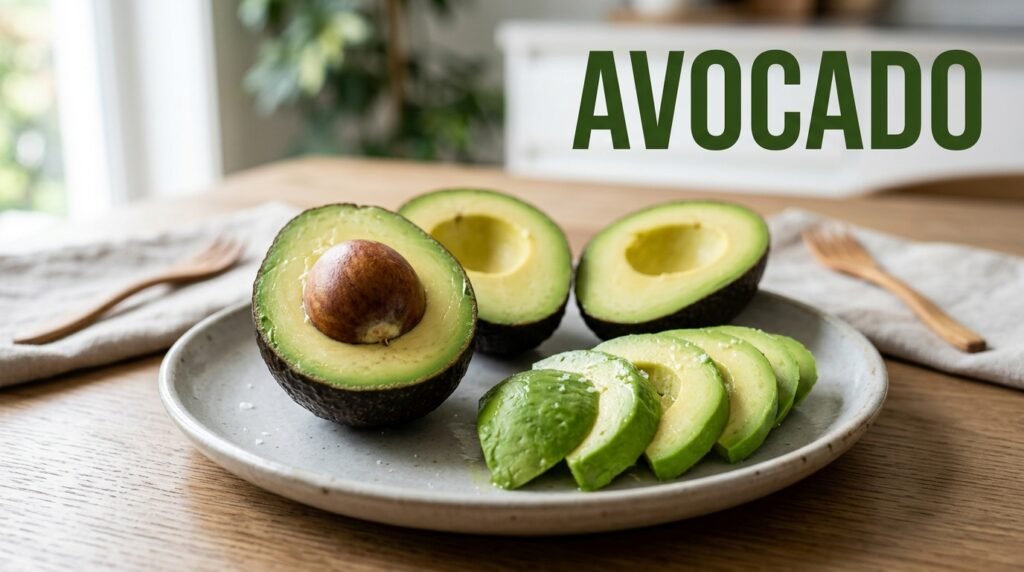
6. Avocados
Avocados are rich in monounsaturated fats that promote healthy blood flow to the brain, and in lutein — a carotenoid that accumulates in both the eye and the brain, where it reduces oxidative damage.
They’re also a good source of folate and vitamin K, adding to the leafy green benefits discussed above, and are high in B vitamins that reduce homocysteine and support neurotransmitter production.
A quarter to half an avocado daily makes a meaningful contribution to brain health.
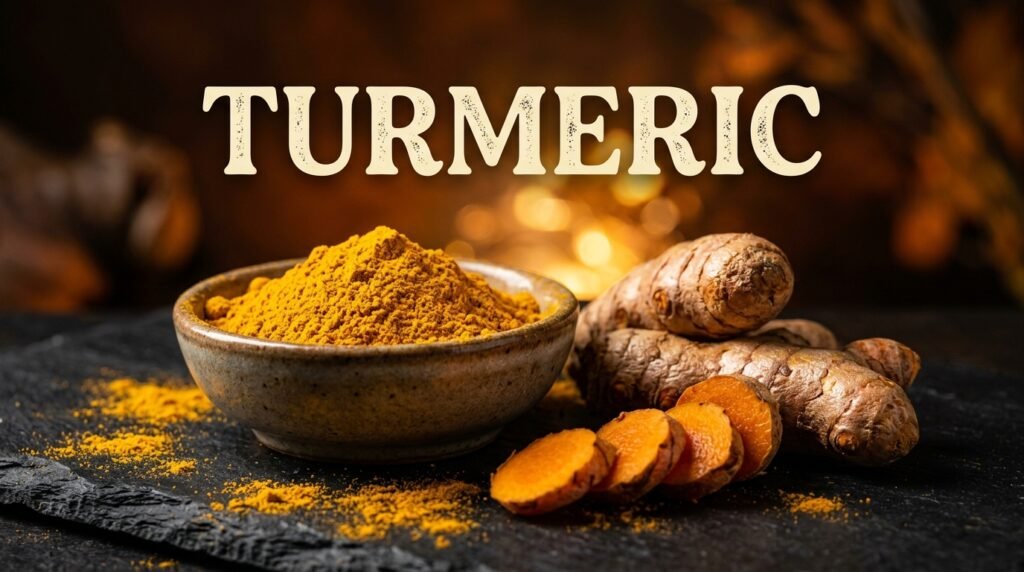
7. Turmeric
Curcumin — the active compound in turmeric — is one of the most extensively studied anti-inflammatory and neuroprotective compounds in nature. It crosses the blood-brain barrier, reduces neuroinflammation, increases BDNF, and may directly reduce amyloid plaques — the protein clumps associated with Alzheimer’s disease.
To maximize absorption, always consume turmeric with black pepper (piperine in black pepper increases curcumin absorption by up to 2,000%) and with fat.
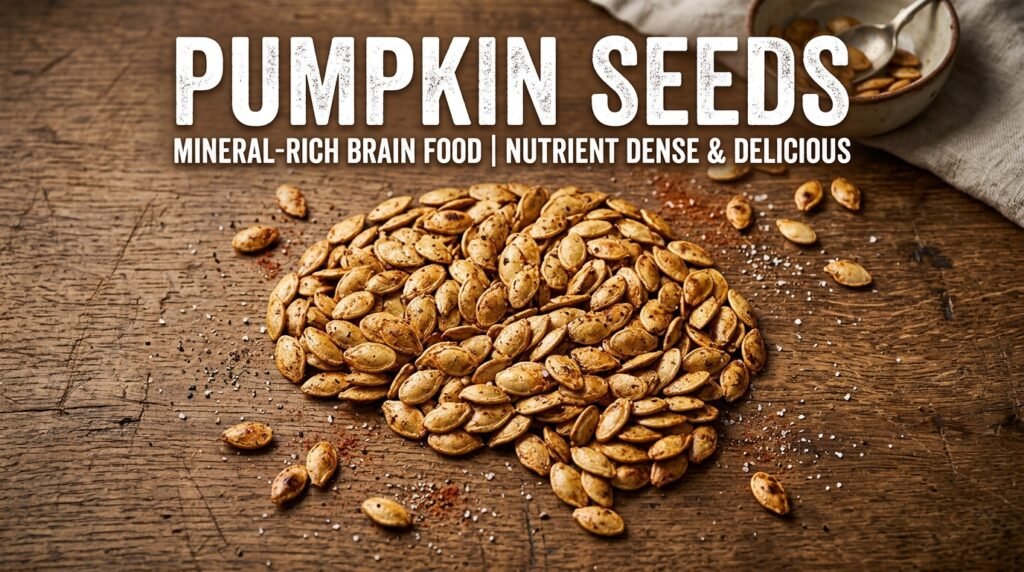
8. Pumpkin Seeds
Pumpkin seeds are exceptional sources of magnesium, zinc, iron, and copper — four minerals particularly important for brain function.
Magnesium supports learning and memory. Zinc regulates neural communication and is depleted by chronic stress. Iron deficiency is one of the most common causes of brain fog and concentration problems worldwide.
A handful of pumpkin seeds makes an excellent daily brain-supporting snack.

9. Green Tea
Green tea provides a uniquely beneficial combination for the brain: caffeine for alertness and L-theanine for calm focus. Unlike coffee, which often produces jittery energy, green tea creates a relaxed alertness that many people find ideal for focused work.
L-theanine promotes alpha brain waves — the brain state associated with relaxed focus and creativity. Combined with moderate caffeine, it produces sustained, calm cognitive enhancement without the crash.
Green tea also contains powerful antioxidants (catechins) that protect brain cells from oxidative damage.
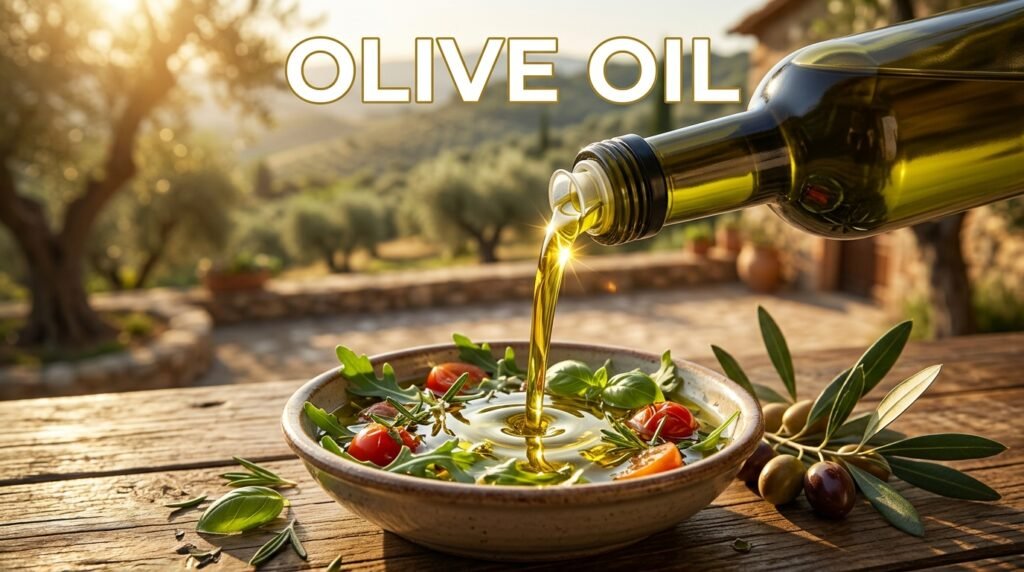
10. Extra Virgin Olive Oil
Extra virgin olive oil — the cornerstone of the Mediterranean diet — contains oleocanthal, a compound with anti-inflammatory properties similar to ibuprofen, and hydroxytyrosol, one of nature’s most potent antioxidants.
Long-term Mediterranean diet adherence (with high olive oil consumption) is consistently associated with significantly reduced risk of Alzheimer’s disease, slower cognitive aging, and better preservation of memory and executive function.
Use extra virgin olive oil as your primary cooking fat and as a dressing for salads and vegetables.
Conclusion
You don’t need to eat all ten of these foods every single day to benefit from them. Start by adding one or two that aren’t currently in your diet. Even small, consistent changes in the direction of these brain-supporting foods create meaningful benefits over time. Your brain is the most remarkable organ in your body — give it the nutrition it deserves.