
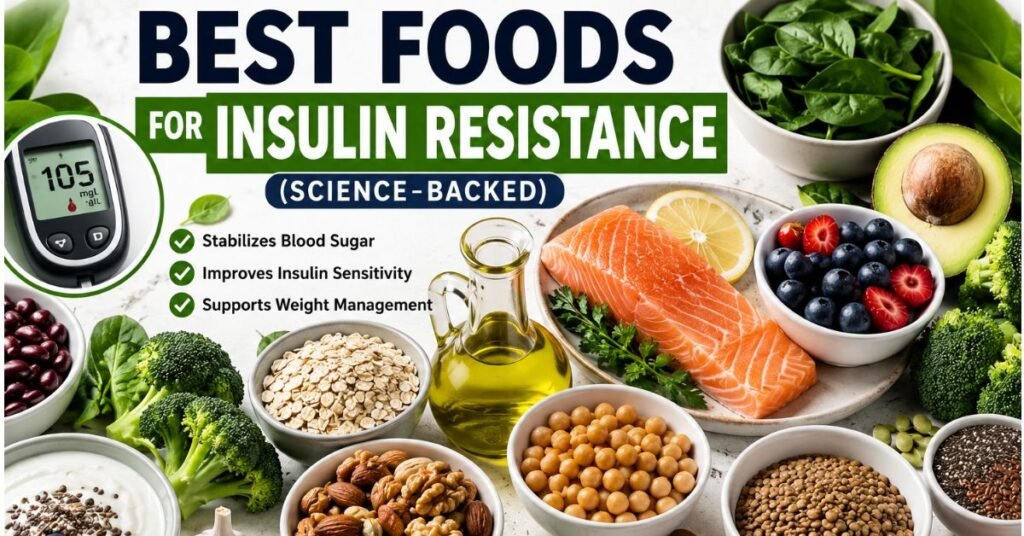
Discover the best foods for insulin resistance, backed by science. Learn what to eat, what to avoid, and simple daily habits to improve blood sugar.
If you’ve been told your blood sugar is “a little high,” or you’ve noticed more belly fat, fatigue after meals, or sugar cravings that won’t quit, insulin resistance could be behind it. It’s one of the most common — and most overlooked — metabolic issues in adults today, and it often develops quietly for years before it shows up on a lab test.
Here’s the good news: insulin resistance responds remarkably well to diet. In this guide, we’ll cover exactly what insulin resistance is, why food plays such a powerful role, and the best foods for insulin resistance you can start eating today. You’ll also get a sample meal plan, lifestyle habits that support blood sugar control, and answers to the questions people ask most.
This article is for education, not diagnosis. If you suspect insulin resistance or have been told you’re prediabetic, talk with your doctor about proper testing and a plan tailored to you.
What Is Insulin Resistance?
Insulin resistance happens when your body’s cells stop responding well to insulin, the hormone that helps move sugar (glucose) out of your bloodstream and into your cells for energy. When cells resist insulin’s signal, your pancreas compensates by producing more of it. Over time, this can lead to consistently high insulin and blood sugar levels.
Common causes and risk factors include:
- Excess body fat, especially around the abdomen
- A diet high in refined carbohydrates and added sugar
- Physical inactivity
- Chronic stress and poor sleep
- Genetics and family history of type 2 diabetes
- Certain conditions, like polycystic ovary syndrome (PCOS)
Early warning signs can include fatigue after meals, sugar cravings, difficulty losing weight (especially around the midsection), and dark patches of skin (acanthosis nigricans) in areas like the neck or armpits. Many people, though, have no obvious symptoms at all.
Insulin resistance vs. diabetes: Insulin resistance is often a precursor to prediabetes and type 2 diabetes, but it’s not the same thing. With insulin resistance, the pancreas can usually still produce enough insulin to keep blood sugar in a normal or near-normal range. Over years, if the condition isn’t addressed, the pancreas can struggle to keep up, and blood sugar levels rise into prediabetic or diabetic territory.
Why Food Matters
Diet directly affects how much insulin your body needs to produce and how well your cells respond to it. Here’s the science in plain terms:
Gut microbiome: Emerging research from institutions like Harvard T.H. Chan School of Public Health suggests gut bacteria play a role in regulating blood sugar and metabolic health.
Blood sugar spikes: Eating large amounts of refined carbs or sugar causes blood glucose to rise quickly, prompting a large insulin release. Frequent spikes, over time, are thought to contribute to insulin resistance.
Glycemic Index (GI): A measure of how quickly a food raises blood sugar compared to pure glucose. Lower-GI foods cause a slower, gentler rise.
Glycemic Load (GL): Similar to GI, but also accounts for portion size, giving a more realistic picture of a food’s effect on blood sugar.
Fiber: Slows digestion and glucose absorption, helping prevent sharp blood sugar spikes. It also feeds beneficial gut bacteria.
Protein: Helps stabilize blood sugar and increases fullness, reducing the likelihood of overeating refined carbs later.
Healthy fats: Slow the absorption of carbohydrates when eaten together and support cell membrane health, which affects how well cells respond to insulin.
Inflammation: Chronic low-grade inflammation is closely linked to insulin resistance. Anti-inflammatory foods may help improve insulin sensitivity.
15 Best Foods for Insulin Resistance
1. Oats
Why it’s beneficial: Oats contain beta-glucan, a soluble fiber that slows glucose absorption and improves insulin sensitivity.
Key nutrients: Beta-glucan fiber, magnesium, manganese
Research findings: Studies have shown beta-glucan can help blunt post-meal blood sugar spikes and improve markers of insulin sensitivity.
Best ways to eat it: Steel-cut or rolled oats topped with nuts, seeds, and berries. Avoid instant, flavored packets, which often contain added sugar.
Portion recommendation: About ½ cup dry oats per serving.
Tips: Pair with protein (like Greek yogurt or nuts) to further slow digestion.
Caution: Choose plain oats over pre-sweetened varieties.
2. Lentils
Why it’s beneficial: Lentils are high in fiber and plant protein, both of which help slow blood sugar rises.
Key nutrients: Fiber, folate, iron, plant protein
Research findings: Legume-rich diets have been associated with improved blood sugar control and reduced diabetes risk in multiple studies.
Best ways to eat it: In soups, stews, salads, or as a side dish.
Portion recommendation: About ½ cup cooked, a few times per week.
Tips: Canned lentils are a convenient option — just rinse to reduce sodium.
3. Chickpeas
Why it’s beneficial: Like lentils, chickpeas combine fiber and protein for a low glycemic load.
Key nutrients: Fiber, plant protein, magnesium
Research findings: Research suggests chickpeas may help improve post-meal blood sugar and insulin response compared to refined-grain foods.
Best ways to eat it: Roasted as a snack, blended into hummus, or added to salads.
Portion recommendation: About ½ cup cooked.
4. Beans (Black, Kidney, Pinto)
Why it’s beneficial: Beans are rich in resistant starch and fiber, which slow digestion and support gut bacteria linked to better blood sugar control.
Key nutrients: Fiber, resistant starch, plant protein, potassium
Research findings: Diets higher in legumes are consistently associated with lower fasting insulin levels in observational studies.
Best ways to eat it: In chili, salads, tacos, or as a side dish.
Portion recommendation: About ½–¾ cup cooked.
5. Salmon
Why it’s beneficial: Salmon is rich in omega-3 fatty acids, which help reduce inflammation linked to insulin resistance.
Key nutrients: Omega-3 fatty acids (EPA/DHA), high-quality protein, vitamin D
Research findings: The American Diabetes Association notes that fatty fish are a smart protein choice for people managing blood sugar, partly due to their anti-inflammatory fat profile.
Best ways to eat it: Baked, grilled, or pan-seared.
Portion recommendation: 3–4 ounces, 2–3 times per week.
6. Sardines
Why it’s beneficial: Like salmon, sardines are packed with omega-3s, plus calcium and vitamin D.
Key nutrients: Omega-3 fatty acids, calcium, vitamin D, protein
Research findings: Regular fatty fish intake is associated with improved markers of metabolic health in multiple population studies.
Best ways to eat it: Straight from the can, on whole-grain crackers, or in salads.
Portion recommendation: One can (about 3–4 ounces), a couple times per week.
7. Eggs
Why it’s beneficial: Eggs are a low-carb, high-protein food that has minimal impact on blood sugar.
Key nutrients: Protein, choline, vitamin D, B vitamins
Research findings: Research on eggs and insulin resistance is mixed but generally supports moderate egg consumption as part of a balanced diet, particularly when paired with vegetables rather than refined carbs.
Best ways to eat it: Scrambled, boiled, or as an omelet with vegetables.
Portion recommendation: Up to one egg per day is considered reasonable for most people; discuss with your doctor if you have cholesterol concerns.
8. Greek Yogurt
Why it’s beneficial: Greek yogurt is high in protein and contains probiotics that may support gut health linked to insulin sensitivity.
Key nutrients: Protein, calcium, probiotics
Research findings: Studies have linked yogurt consumption with a lower risk of type 2 diabetes compared to other dairy products.
Best ways to eat it: Plain, unsweetened, topped with berries and nuts.
Portion recommendation: About ¾–1 cup.
Caution: Skip flavored varieties, which are often high in added sugar.
9. Leafy Greens (Spinach, Kale)
Why it’s beneficial: Leafy greens are very low in carbohydrates and high in fiber, magnesium, and antioxidants.
Key nutrients: Magnesium, vitamin K, fiber, antioxidants
Research findings: Higher leafy green intake has been associated with a lower risk of type 2 diabetes in large cohort studies.
Best ways to eat it: Sautéed, in salads, or blended into smoothies.
Portion recommendation: 1–2 cups per day.
10. Broccoli
Why it’s beneficial: Broccoli contains sulforaphane, a compound studied for its potential to improve insulin sensitivity.
Key nutrients: Fiber, vitamin C, sulforaphane
Research findings: Some clinical studies have found sulforaphane-rich broccoli extracts may help lower fasting blood sugar in people with type 2 diabetes.
Best ways to eat it: Roasted, steamed, or added to stir-fries.
Portion recommendation: About 1 cup, several times per week.
11. Avocados
Why it’s beneficial: Avocados are rich in monounsaturated fat and fiber, both of which support stable blood sugar.
Key nutrients: Healthy fats, fiber, potassium
Research findings: Research suggests avocado consumption is associated with improved insulin sensitivity markers, likely due to its favorable fat and fiber profile.
Best ways to eat it: Sliced on whole-grain toast, in salads, or mashed into guacamole.
Portion recommendation: About half an avocado per day.
12. Blueberries
Why it’s beneficial: Blueberries are lower on the glycemic index than many fruits and rich in antioxidants called anthocyanins.
Key nutrients: Fiber, vitamin C, anthocyanins
Research findings: Clinical studies have found that regular blueberry intake may improve insulin sensitivity, particularly in people who are insulin resistant.
Best ways to eat it: Fresh or frozen, added to yogurt, oatmeal, or eaten as a snack.
Portion recommendation: About ¾–1 cup.
13. Apples
Why it’s beneficial: Apples contain fiber, particularly pectin, which slows sugar absorption, along with polyphenols.
Key nutrients: Fiber, vitamin C, polyphenols
Research findings: Apple consumption has been linked to a reduced risk of type 2 diabetes in several large observational studies.
Best ways to eat it: Whole, with the skin on, rather than as juice.
Portion recommendation: One medium apple.
Tips: Pair with a source of protein or fat, like nut butter, to further slow the blood sugar response.
14. Walnuts
Why it’s beneficial: Walnuts provide plant-based omega-3 fats and fiber, supporting both insulin sensitivity and heart health.
Key nutrients: Omega-3 fatty acids (ALA), fiber, magnesium
Research findings: Nut consumption, including walnuts, has been associated with improved insulin sensitivity and reduced diabetes risk in cohort studies.
Best ways to eat it: As a snack, or added to oatmeal, salads, or yogurt.
Portion recommendation: About 1 ounce (a small handful).
15. Chia Seeds
Why it’s beneficial: Chia seeds are extremely high in fiber, which forms a gel in the stomach that slows digestion and glucose absorption.
Key nutrients: Fiber, omega-3 fatty acids, plant protein
Research findings: Small clinical studies suggest chia seed consumption may help improve post-meal blood sugar control.
Best ways to eat it: Soaked in milk or yogurt overnight for chia pudding, or sprinkled on oatmeal and smoothies.
Portion recommendation: About 1–2 tablespoons per day.
Foods to Limit or Avoid
These foods tend to worsen insulin resistance over time:
Excess alcohol — can disrupt blood sugar regulation and contribute to weight gain
Sugary drinks — sodas and sweetened juices cause rapid blood sugar and insulin spikes
Candy — concentrated sugar with little to no fiber or nutrients
White bread — refined flour is digested quickly, spiking blood sugar
White rice — low in fiber compared to whole grains, causing faster glucose absorption
Pastries — combine refined flour, sugar, and unhealthy fats
Ultra-processed foods — often engineered to be high in sugar, refined carbs, and additives
Refined cereals — many breakfast cereals are high in added sugar and low in fiber
Deep-fried foods — associated with inflammation and weight gain, both linked to insulin resistance
Processed meats — linked in research to higher diabetes risk
Trans fats — widely considered harmful to metabolic and heart health
Sample One-Day Meal Plan
Breakfast
Steel-cut oats topped with walnuts, chia seeds, and blueberries. Why it helps: The combination of fiber, protein, and healthy fat slows digestion and prevents a morning blood sugar spike.
Snack
An apple with a tablespoon of almond butter. Why it helps: Pairing fiber-rich fruit with healthy fat and protein blunts the glycemic response.
Lunch
A big salad with leafy greens, grilled salmon, avocado, and a lentil scoop, dressed with olive oil and lemon. Why it helps: High fiber, omega-3s, and protein together support stable post-meal blood sugar.
Snack
Greek yogurt with a handful of berries. Why it helps: Protein and probiotics support blood sugar stability and gut health.
Dinner
Baked chickpea and broccoli stir-fry with brown rice and garlic. Why it helps: A balanced combination of fiber, plant protein, and complex carbohydrates keeps blood sugar steady into the evening.
Dessert A small square of dark chocolate (70%+ cocoa) with a few walnuts. Why it helps: Satisfies a sweet craving without a major blood sugar spike, thanks to minimal sugar and healthy fat content
Lifestyle Tips That Improve Insulin Resistance
- Walk after meals — even 10–15 minutes can meaningfully lower post-meal blood sugar
- Strength training — building muscle improves the body’s ability to use glucose
- Prioritize sleep — poor sleep is strongly linked to worsened insulin sensitivity
- Manage stress — chronic stress raises cortisol, which can elevate blood sugar
- Aim for a healthy weight — even modest weight loss (5–7%) can significantly improve insulin sensitivity
- Stay hydrated — supports healthy kidney function and blood sugar regulation
- Prioritize protein — helps with fullness and blood sugar stability at each meal
- Hit your fiber goals — aim for 25–35 grams per day from whole foods
- Be mindful of meal timing — consistent meal times may help regulate blood sugar rhythms
- Practice portion control — even healthy carbs can raise blood sugar if portions are large
Common Mistakes People Make
- Skipping meals — can lead to overeating later and larger blood sugar swings
- Drinking sugary beverages — one of the fastest ways to spike blood sugar
- Eating too many refined carbs — white bread, pasta, and pastries add up quickly
- Avoiding healthy fats — fat helps slow digestion and isn’t the enemy it was once thought to be
- Not eating enough protein — protein is key for blood sugar stability and fullness
- Following fad diets — extreme, unsustainable diets often backfire long-term
- Ignoring exercise — movement is one of the most effective tools for improving insulin sensitivity, alongside diet
Frequently Asked Questions
What foods reverse insulin resistance?
No single food reverses insulin resistance, but a diet built around fiber-rich vegetables, legumes, lean protein, healthy fats, and whole grains — like the foods listed above — can meaningfully improve insulin sensitivity over time.
Can insulin resistance be cured?
Insulin resistance can often be significantly improved or even normalized through sustained diet and lifestyle changes, especially when caught early. “Cured” isn’t always the right word, since ongoing healthy habits are usually needed to maintain progress.
Are bananas good for insulin resistance?
Bananas can fit into an insulin-resistance-friendly diet in moderation, especially when slightly underripe (which has more resistant starch) and paired with protein or fat.
Is oatmeal good for insulin resistance?
Yes. Oats contain beta-glucan fiber, which slows glucose absorption and has been shown to support better blood sugar control.
Are eggs healthy for insulin resistance?
Yes, eggs are low in carbohydrates and high in protein, making them a good choice, especially when eaten with vegetables rather than refined carbs like white toast.
Is intermittent fasting helpful for insulin resistance?
Some research suggests intermittent fasting may improve insulin sensitivity for certain people, but it’s not necessary or right for everyone. It’s best discussed with a healthcare provider, especially for those with diabetes.
Which fruits are best for insulin resistance?
Berries, apples, and pears tend to be good choices due to their fiber content and lower glycemic load compared to fruits like watermelon or ripe bananas eaten in large portions.
Is rice bad for insulin resistance?
White rice has a higher glycemic index and can spike blood sugar, especially in large portions. Brown rice, with more fiber, is generally a better choice, and portion size matters either way.
How long does it take to improve insulin sensitivity?
Some people notice improvements in energy and blood sugar readings within a few weeks of dietary changes, while measurable improvements in insulin sensitivity markers often take a few months of consistent habits.
What’s the best breakfast for insulin resistance? A breakfast combining fiber, protein, and healthy fat — like oats with nuts and berries, or eggs with vegetables — tends to support more stable blood sugar than a carb-heavy breakfast like cereal or pastries.
Conclusion
Insulin resistance is common, but it’s not something you’re stuck with. The foods you choose — more fiber, more protein, more healthy fats, fewer refined carbs and added sugars — have a direct, measurable impact on how well your body responds to insulin. Combined with movement, sleep, and stress management, these changes add up to real, lasting improvement.
You don’t need to overhaul your whole diet overnight. Pick one habit from this guide — swapping white rice for beans, adding a walk after dinner, or starting your day with oats instead of cereal — and build from there.
As always, insulin resistance and prediabetes are medical conditions best managed with guidance from your doctor or a registered dietitian, especially if you’re also managing related conditions like PCOS or high blood pressure.
Pingback: 16 Best Iron-Rich Foods to Fight Anemia and Fatigue | nutrieatss
Pingback: 16 Best Foods for Eye Health: Protect Your Vision Naturally | nutrieatss
Pingback: 17 Best Foods for Joint Pain and Arthritis Relief: A Proven Anti-Inflammatory Guide | nutrieatss
Pingback: 15 Best Foods to Boost Metabolism for Sustainable Weight Loss | nutrieatss