
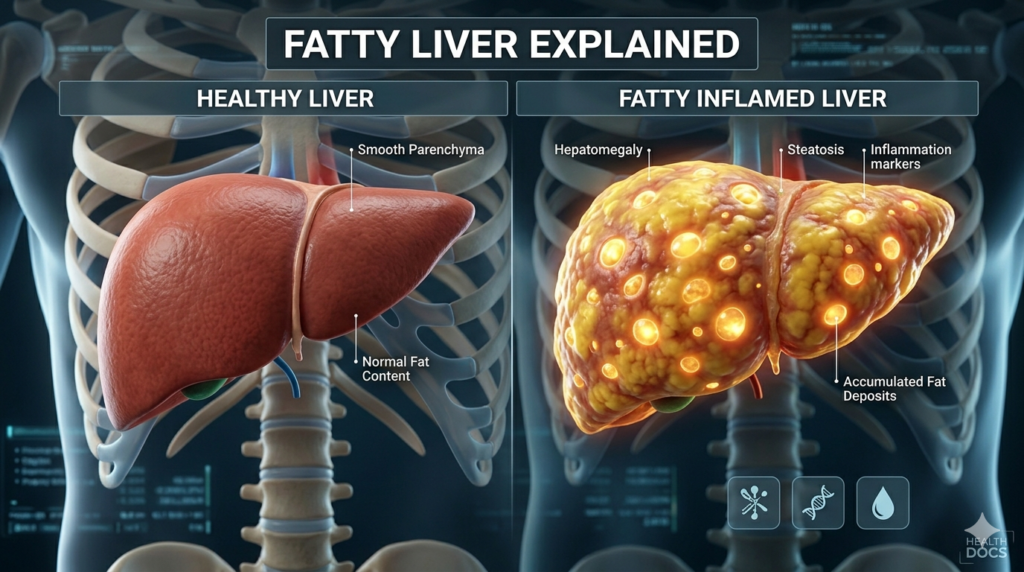
Did you know that 4.5 million Americans are living with liver disease right now? But most of them don’t even know it.
That’s because liver damage doesn’t always announce itself with the classic yellow skin or abdominal pain that most people expect.What if I told you that the dark circles under your eyes, that persistent bad breath, or even those random bruises showing up on your skin could actually be warning signs that your liver is in serious trouble? Most people think liver damage only shows up as yellowing skin or stomach pain, but the truth is, your liver could be sending you desperate SOS signals right now that you’re completely missing. In the next few minutes, I’m going to reveal 10 unexpected signs of liver damage that doctors say most patients ignore until it’s almost too late – and some of these will shock you.
Before dive into the signs your body might be giving you please Subscribe to the Doctor Lab channel today for clear, actionable health insights that empower you to live a healthier, happier life. hit the notification bell so you never miss out on vital health knowledge!
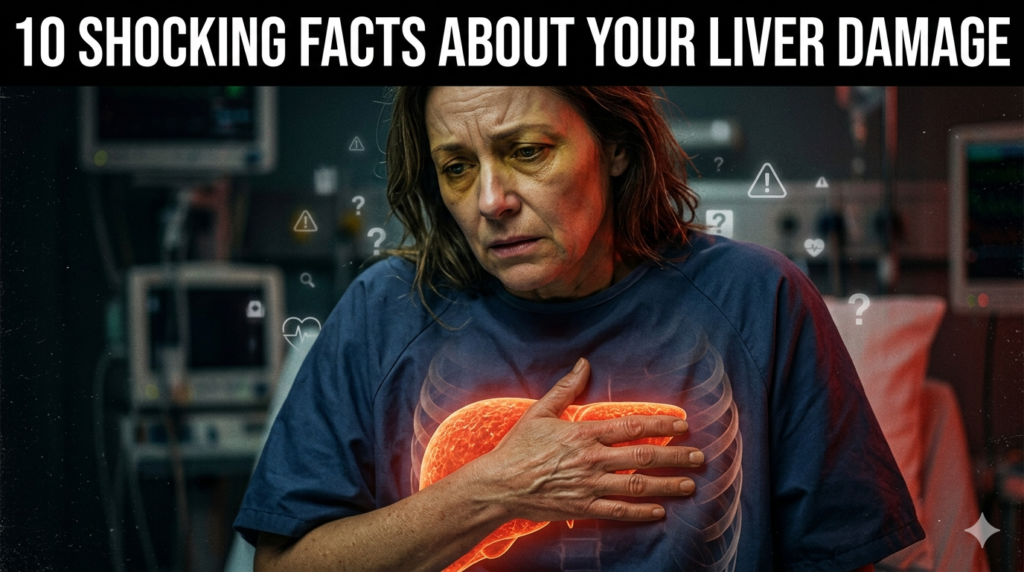
Pale Stools
When you use the toilet, your liver normally releases something called conjugated bile acids. These acids help digest fats and give your stool its usual brown color. If you have fatty liver disease or liver damage, however, this bile doesn’t flow properly through the bile ducts. This can make your stool appear lighter, paler, or even clay-colored. You might also notice it floats on top of the toilet water because of undigested fat, which makes it buoyant.
Poor Night Vision:
If you’re finding it much harder to focus or see at night, especially in dim lighting, this could point to a retinol or vitamin A deficiency. The bile from your liver helps your body absorb vitamin A, which is essential for the rod cells in your eyes to adapt to different light levels. Liver disease, by causing a lack of bile, can prevent you from absorbing enough vitamin A, leading to what we call “night blindness.” This symptom can also suggest a congested gallbladder, particularly if your eyes also feel very dry, sore, irritated, and gritty.
Swollen Right Foot:
When blood isn’t flowing normally through your liver, the liver itself can become swollen and enlarged. This puts pressure on the portal vein, which can cause fluid or water to build up in your legs or feet. If you press your finger into the swollen area, it might even leave a temporary indentation. If you notice your right foot and ankle are more swollen than your left, this is a very common sign of potential liver damage. While natural remedies can help, we’ll talk more about liver cleansing later in the video.
White Eyelid Growths:
Another unusual sign of liver damage is the appearance of white or yellowish growths around your eyelids. These are small pockets of cholesterol deposits that build up under your skin. This happens because your liver isn’t breaking down cholesterol properly, causing it to accumulate in various parts of the body.
Right-Sided Pressure:
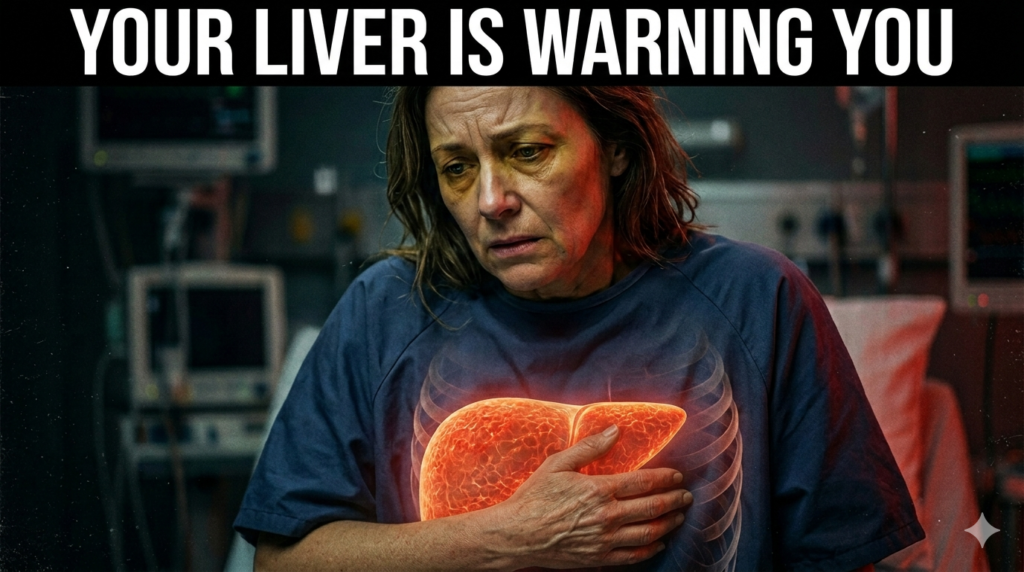
Feeling pressure or pain on the right side of your rib cage, especially after eating, can also signal liver disease. Liver damage can cause bile to thicken into a sludge, clogging the small tubes connected to your gallbladder. This leads to that sensation of pressure and pain around your ribs. It can also put pressure on the phrenic nerve, causing muscle tightness and pain around your right shoulder.
Purple and Red Spots:
When your liver is congested, inflamed, or damaged, it produces fewer of the proteins needed for normal blood clotting. This means you might bruise more easily, and unusual purple or red bumps can appear as a rash on your skin, along with small red patches. This often shows up around the lower legs or arms and is caused by poor blood circulation linked to liver disease or possibly diabetes.
Cracked Heels:
Your body uses vitamin B3 (also known as niacin) to keep your skin cells strong, smooth, and moisturized. If you have liver disease, however, your body uses up its vitamin B3 stores to help repair the liver damage. This leaves less of the nutrient available for other jobs, causing the skin on the soles of your feet and heels to start cracking. You can try to overcome this by increasing your vitamin B3 intake and, more importantly, addressing the root cause: fatty liver disease.
Constant Itch:
A persistent urge to scratch or itch the palms of your hands or the soles of your feet can be a symptom of liver disease. This happens due to a buildup of bile acids under the skin because the liver isn’t filtering them out properly. This, in turn, causes histamines to accumulate in your blood, triggering that intense itchy reaction.
All White or Clubbed Nails:
If your fingernails start turning entirely white, losing their natural pink color, or they take on a rounded, clubbed, or bulbous appearance, this could indicate serious liver damage or another underlying health condition that’s preventing oxygen from reaching the nail matrix. Back in the 1950s, it was observed that eight out of ten people with severe liver scarring had completely white nails.
Dark Urine:
Your liver is responsible for breaking down old red blood cells, which contain a yellowish pigment called bilirubin. If your liver or gallbladder becomes damaged, this pigment can build up in your body and then be flushed out through your urine. This causes your pee to have a very strong, dark orange, amber, brown, or even cola-like color because your liver isn’t processing the pigment normally. Certain medications, like antibiotics, sleeping pills, or birth control pills, can also weaken your liver and cause this.
Yellowed Skin (Jaundice):
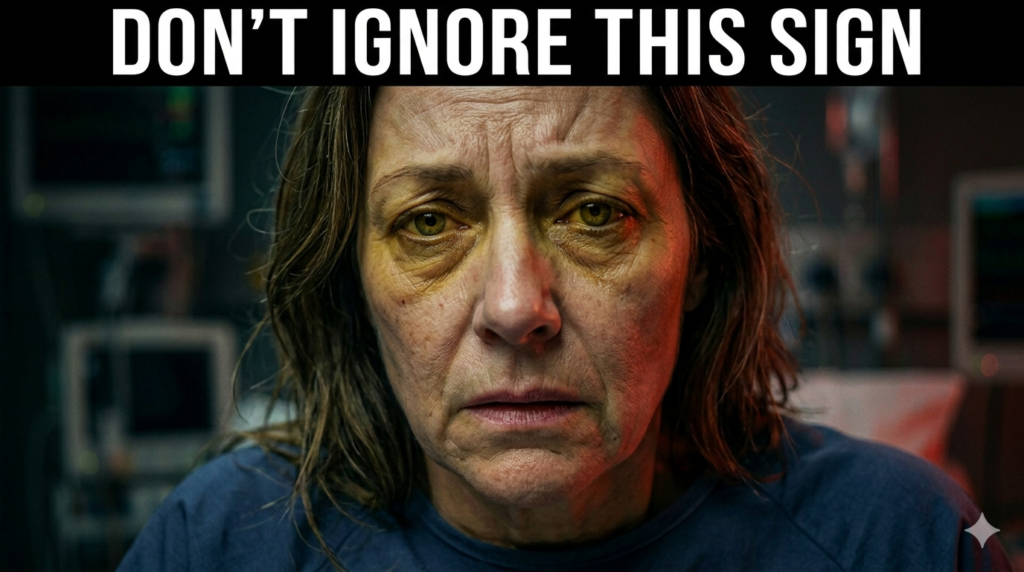
When your liver isn’t working properly and can’t filter bilirubin from your blood, this pigment can also start to change the color of your skin and the whites of your eyes. This yellowish tint is called jaundice, and it’s a serious sign of significant liver damage, potentially due to hepatitis, cirrhosis, or drug/medication poisoning. If you notice jaundice, please visit your doctor immediately.
Spider Veins:
These look like small red dots with tiny, spider-like extensions of blood vessels appearing on your skin. These are damaged blood vessels, often because your liver isn’t doing its job of filtering out excess estrogen. High estrogen levels can weaken blood vessels and veins, causing them to dilate and become visible on the skin.
If you notice one or more of these symptoms, it’s highly recommended to visit your doctor and ask for an ultrasound test. This is a very simple, non-invasive test that uses sound waves to create an image of your liver and its network of blood vessels to check for any fatty deposits building up inside.
Fortunately, the liver is one of the only organs in the body that has an amazing capacity to completely heal and regenerate. Liver damage typically progresses through four stages: first, it gets clogged with fat (fatty liver); then it becomes inflamed and starts to develop scar tissue called fibrosis; and finally, it can progress to a more severe, life-threatening stage called cirrhosis. The good news is, your liver truly has the ability to completely regenerate and heal itself when you make the right dietary changes and use the right remedies.
The most important steps to help reverse liver damage:
Start by significantly cutting back on sugary, starchy, and flour-based foods. This includes things like bread, biscuits, sweets, ketchup, pancakes, pasta, and soda drinks. A fatty or damaged liver reacts to fructose (fruit sugar) in a similar way it reacts to alcohol. Therefore, it’s crucial to stop drinking fruit juices and alcohol entirely.
Incorporate plenty of foods that are high in sulfur, as these help to strip away fat from your liver by boosting glutathione levels (a powerful antioxidant) and helping to detoxify poisons. Excellent choices include leafy greens, artichokes, radishes, garlic, broccoli, Brussels sprouts, kale, cabbage, mushrooms, pasture-raised eggs, wild salmon and other oily fish, walnuts, onions, scallions, and broccoli sprouts.
Drink one cup of organic, home-brewed coffee each morning, and add one teaspoon of turmeric to it. The polyphenols in coffee and the phytonutrients in turmeric work to reduce scar tissue formation in the liver and help repair damage caused by alcohol, drugs, or fructose. You should also be drinking at least one liter of high-quality mineral water throughout the day. This helps thin your blood and assists the liver in producing bile to break down fatty deposits. You can also add freshly squeezed lemon or lime juice to your water to improve the filtration of toxins in your liver. In fact, try to get as many liver-cleansing herbs and spices into your diet as possible, such as ginger, turmeric, cinnamon, dandelion root, milk thistle, reishi mushrooms, green tea, and cloves.
Try to consume all of your daily calories within a six-hour window, allowing your body to fast for the remaining 18 hours each day. A common schedule is eating between 12:00 p.m. and 6:00 p.m., but you can adjust this to fit your lifestyle. This practice, known as intermittent fasting or timed eating, significantly improves liver health by lowering inflammation and increasing insulin-like growth factor, a hormone that helps prevent fat accumulation in the liver. Fasting also stimulates autophagy, a natural process where your liver recycles old, damaged cells and proteins to regenerate new, healthy liver cells.
Stop consuming all inflammatory seed oils such as corn, cottonseed, canola, rapeseed, soy oil, cheaper processed olive oil, and margarine. Instead, switch to anti-inflammatory fats like extra virgin olive oil and virgin coconut oil for your home-cooked recipes. These have been proven to have liver-protective properties.
To help clean out fatty deposits and lower inflammation in the liver, consider taking a purified bile supplement in the morning on an empty stomach. You can look for TKA purified bile salts or a digestive enzyme blend that contains ox bile on the ingredients list. These not only help to eliminate fat from your liver but also prevent the formation of gallbladder stones.
If you are serious about repairing your liver, there are also other vitamins and supplements that can be beneficial. If you’d like to learn more, you can explore further resources.
Thank you so much for watching today and for your support. Wishing you great health, wealth, and happiness!